


It Starts with the Corn
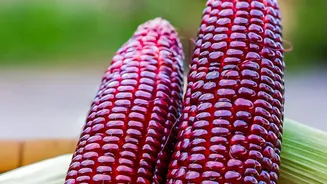
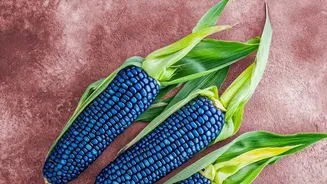
The secret to the monsoon bhutta experience begins with the corn itself. While sweet corn is available year-round, the rainy season marks the harvest of 'desi makai' or native Indian corn. This variety is starchier, less sweet, and has a firmer, chewier
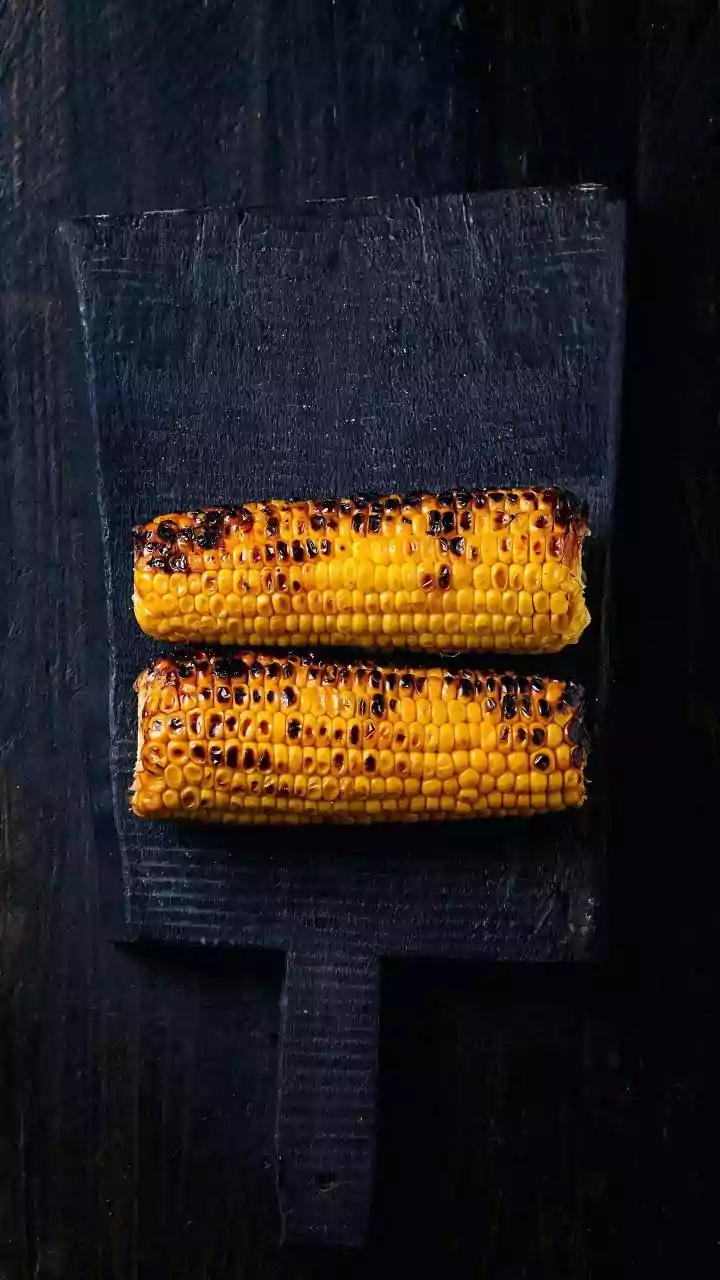
texture compared to its hybrid American sweet corn counterpart. Harvested when mature, its sugar has converted into complex starch, which gives it a more satisfying, earthy flavour. This starchy quality is key; it allows the corn to roast beautifully over charcoal, developing a slight char and smoky essence without becoming overly soft. Its robust kernels are the perfect vehicle for absorbing the classic trifecta of lemon juice, salt, and chilli powder.
The Science of Sensory Perception
There's a scientific reason why warm, comforting foods are so appealing on a cool, rainy day. A drop in temperature naturally makes us crave warmth, and a hot-off-the-coals bhutta provides just that. But it's more than just temperature. The monsoon air itself enhances the experience. Higher humidity can intensify our sense of smell. Rain falling on dry earth releases a distinct, pleasant scent known as petrichor, created by plant oils and soil bacteria. This earthy aroma, combined with the sharp scent of ozone from lightning and the smoke from the vendor's charcoal grill, creates a complex bouquet that heightens our anticipation and makes the bhutta taste even better.
A Ritual of Nostalgia and Comfort
Beyond the science and agriculture, bhutta is deeply woven into the cultural fabric of the Indian monsoon. It is a shared ritual, a source of simple joy and nostalgia. The sight of a bhutta-wallah fanning embers under a makeshift awning is a quintessential monsoon scene from Mumbai's beaches to Delhi's roadsides. For many, the snack is tied to fond memories of childhood, family road trips, or simply taking a break from the downpour. This connection between food and memory is powerful; the act of eating a bhutta isn't just about flavour, but about reliving those comforting moments. It’s an affordable, accessible pleasure that cuts across all demographics, uniting people in a shared seasonal experience.
A Healthier Street-Side Indulgence
Compared to many other popular monsoon snacks, which are often deep-fried, bhutta is a relatively healthy choice. Being roasted or steamed, it avoids the excess calories from oil. Corn itself is a powerhouse of nutrition. It is packed with dietary fibre, which is excellent for digestive health and helps you feel full. Desi corn, in particular, has a lower glycemic index than sweet corn, meaning it doesn't cause a sharp spike in blood sugar. It's also a good source of essential vitamins and minerals, including B vitamins, vitamin C, magnesium, and potassium. Furthermore, corn contains antioxidants like lutein and zeaxanthin, which are known to be beneficial for eye health.
The Finishing Touches
The final element that makes monsoon bhutta so irresistible is the way it’s prepared. Street vendors have mastered the art of roasting it over live charcoal, a method that imparts a unique smoky flavour that's difficult to replicate at home. The kernels become tender while the outside gets a slight, satisfying char. Then comes the flavour finale: a generous rub of a freshly cut lemon half dipped in a mix of salt, red chilli powder, and sometimes chaat masala. This tangy, spicy, and salty coating perfectly complements the earthy, subtly sweet flavour of the roasted desi corn, creating a taste sensation that is truly synonymous with the rainy season.