






Humanity's Return to the Moon
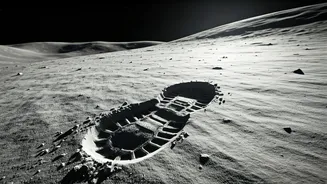
The star of the show is undoubtedly NASA's Artemis II mission, which sent four astronauts on a flight around the Moon in April 2026. [1, 5, 6] It marked the first time humans have travelled beyond low Earth orbit since the Apollo 17 mission in 1972. [1, 2]
The 10-day mission was a crucial test of the powerful Space Launch System (SLS) rocket and the Orion crew capsule, named 'Integrity' by its crew. [1, 5] The crew—comprised of NASA astronauts Reid Wiseman, Victor Glover, Christina Koch, and Canadian astronaut Jeremy Hansen—splashed down safely in the Pacific Ocean on April 10, 2026. [1, 5] This successful lunar flyby paves the way for future missions, including Artemis IV, which aims to land astronauts on the Moon's south pole by 2028 and establish a permanent lunar base. [2, 5, 6]
An Audacious Mission to the Moons of Mars
While NASA looks to the Moon, the Japan Aerospace Exploration Agency (JAXA) is setting its sights on Mars's mysterious moons, Phobos and Deimos. The Martian Moons eXploration (MMX) mission is scheduled to launch in late 2026. [3, 7, 8] This ambitious robotic probe aims to solve a long-standing debate: are these moons captured asteroids, or are they debris from a giant impact on Mars? [3, 7] After arriving at Mars in 2027, MMX will orbit and study both moons before landing on Phobos to collect the first-ever samples from the Martian system. [3, 7, 22] The mission even includes a small French-German rover named 'Idefix' that will drive on the moon's surface, where gravity is 1,800 times weaker than on Earth. [3, 22] The precious samples are scheduled to return to Earth in 2031, promising to rewrite our understanding of how our neighbouring planet and its moons formed. [3, 8]
New Probes, New Destinations
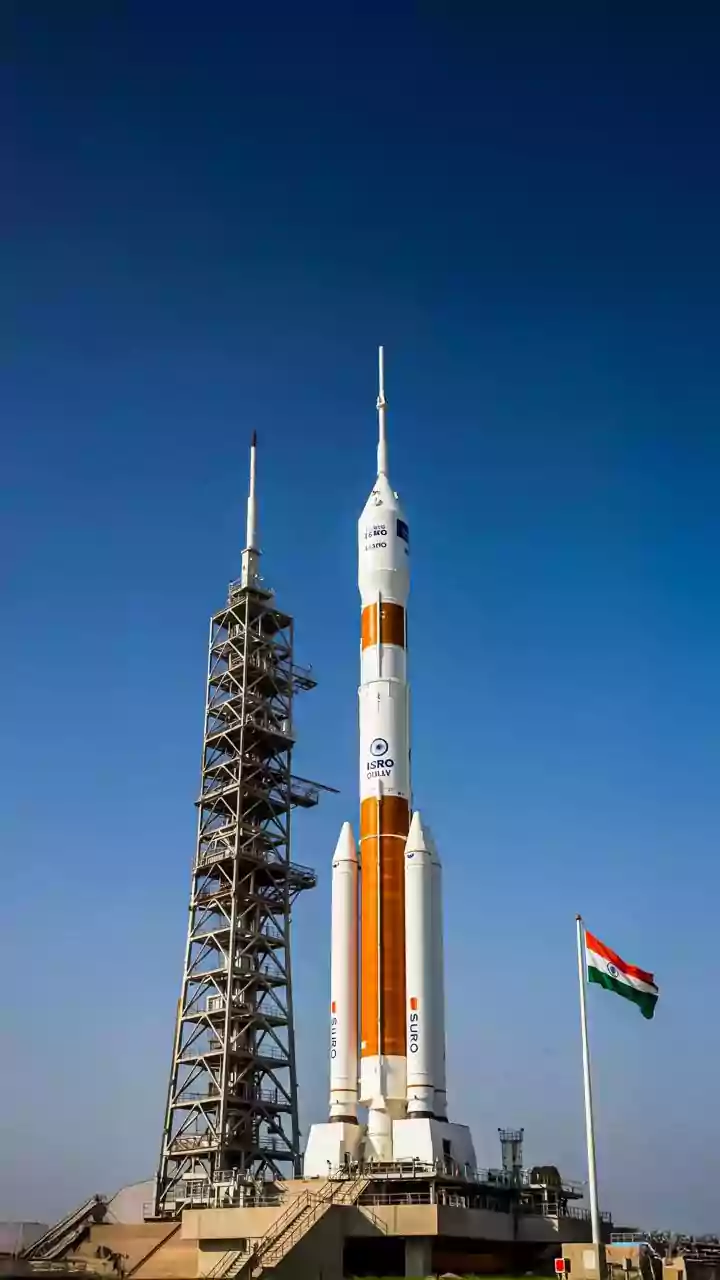
The cosmic action in 2026 isn't limited to the Moon and Mars. Several other significant missions are underway. NASA's Europa Clipper, which launched in 2024, will perform a critical Earth gravity assist in December 2026. [21, 24] This maneuver will slingshot the spacecraft on its 1.8-billion-mile journey to Jupiter's icy moon Europa, where it will search for signs of a subsurface ocean that could potentially harbour life. [17, 24, 25] Further launches are also on the calendar. China plans to launch its Chang'e-7 mission to the lunar south pole, featuring a lander, a rover, and an innovative hopping probe designed to explore permanently shadowed craters. [9, 22] Meanwhile, India is progressing with its Gaganyaan programme, with uncrewed test flights in 2026 paving the way for the nation's first crewed spaceflight. [9, 20] Additionally, a launch window for NASA's VERITAS mission to Venus could open, aiming to map Earth's 'twin' in unprecedented detail. [4, 10, 15]
The Rise of Commercial Space
Beyond government agencies, the private sector is also a major reason for the buzz. Companies like SpaceX and Blue Origin continue to push the boundaries of what's possible. [9] In 2026, SpaceX is expected to conduct crucial on-orbit refuelling tests for its massive Starship rocket, a key step in its ambitious plans for Martian settlement. [9] Multiple private companies are also planning lunar missions under NASA's Commercial Lunar Payload Services (CLPS) program, including Astrobotic's Griffin Mission 1 and Firefly's Blue Ghost. [9] Perhaps most dramatically, the private company Vast is targeting a launch for its Haven-1 space station, one of several ventures aiming to create commercial destinations in low Earth orbit as the International Space Station nears retirement. [9, 20]