







The Problem with 'A Cup of Rice'
For many of us, the default method for making rice is to scoop a cup of grains and add two cups of water. But this common 1:2 volume ratio is often where the trouble begins. Not all 'cups' are created equal. A standard measuring cup in India might be different
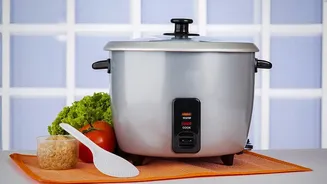
from a US or European one. Furthermore, the small plastic cup that comes with a rice cooker is typically smaller, around 180ml, compared to a standard 240-250ml cup. Using different cups for the rice and water is a recipe for inconsistency. Even using the same standard cup each time can be misleading. How you scoop the rice—whether it's packed down or loose—can change the amount of grain you're actually using, throwing off the delicate balance needed for perfect absorption.
The Gold Standard: Measuring by Weight
For ultimate precision and repeatability, nothing beats a kitchen scale. Grams are grams, no matter how fluffy or dense the ingredient. Measuring by weight eliminates all the guesswork associated with volume. Professional bakers have long known this secret for consistent results, and it applies just as well to cooking rice. When you weigh your rice and water, you are guaranteeing the exact same ratio every time. A widely recommended starting point for long-grain white rice like Basmati or Jasmine is a 1:1.5 ratio of rice to water by weight. So, for every 100 grams of rice, you would use 150 grams (or 150ml) of water. This gives you a fantastic baseline from which you can make tiny adjustments based on the specific age and type of your rice to achieve your ideal texture.
No Scale? No Problem: The 'Consistent Cup' Method
If you don't own a kitchen scale, you can still dramatically improve your rice game by embracing consistency. This is the logic behind the headline's 'consistent cups' advice. The key is to use the exact same vessel to measure both your rice and your water. It doesn't matter if it's a specific tea cup, a small katori, or the cup from your rice cooker. By using the same container for both components, you ensure that the ratio remains constant, even if the absolute measurements aren't standard. If you use one full katori of rice, use one and a half katoris of water (or whatever ratio you find works for you). This approach maintains proportionality, which is the most critical factor in how the rice absorbs the water and cooks evenly.
Putting It Into Practice
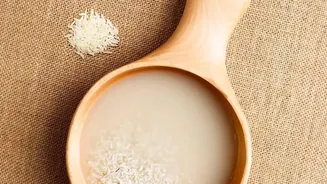
To start using weight, place your pot on the scale and press 'tare' to zero it out. Add your desired amount of rice (e.g., 200g). Press 'tare' again and add your water until the scale reads the correct weight (e.g., 300g for a 1:1.5 ratio). For the consistent cup method, simply choose your vessel and stick to it. Beyond measuring, a few other tips help. Rinsing rice before cooking removes excess surface starch, which helps keep the grains separate. After bringing the rice and water to a boil, reduce the heat to the absolute lowest setting, cover with a tight-fitting lid, and let it simmer without peeking for about 15 minutes. Once the time is up, turn off the heat and let it rest, still covered, for another 5-10 minutes. This final rest allows the moisture to redistribute, ensuring every grain is perfectly cooked.