





The Monsoon Palate
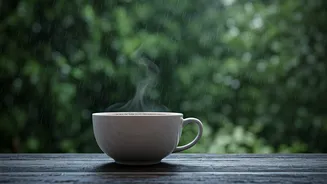
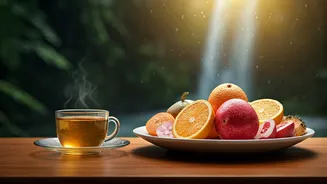
Monsoon travel in India is, first and foremost, an affair of the palate. The damp, cool air seems to awaken a universal craving for things that are hot, spicy, and deeply comforting. Across the country, the humble cup of 'chai' transforms from a daily
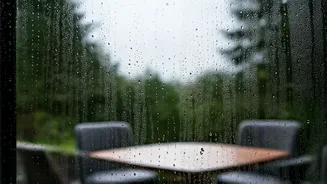
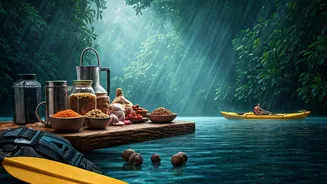
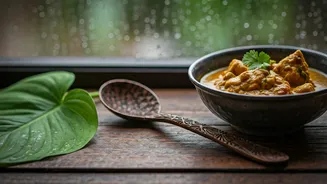
ritual into a near-sacred experience, best enjoyed while watching the rain lash against a windowpane. Paired with it are an array of fried delights. Crispy 'pakoras' (vegetable fritters) and sizzling 'samosas' emerge from bubbling pots of oil in roadside stalls and five-star kitchens alike, offering a perfect textural and thermal contrast to the cool weather. But the culinary journey goes deeper. In cities like Mumbai and Delhi, the sight of a 'bhutta-wala' fanning roasted corn on the cob over glowing embers is an iconic monsoon image. The corn, slathered with lime juice, salt, and chilli, is a taste of the season itself. In the east, particularly Bengal, the monsoon heralds the arrival of Hilsa fish ('Ilish'), a bony but incredibly flavourful delicacy that inspires culinary poetry. Food during this season isn't just sustenance; it’s an event, a shared experience that connects people to the weather and to each other.
A Cultural Shift
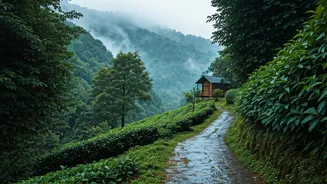
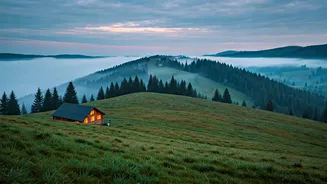
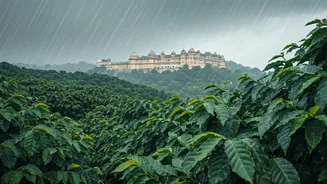
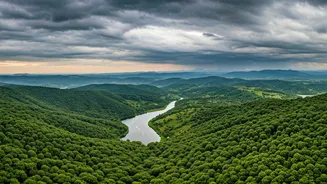
The monsoon doesn’t just change the landscape; it alters the cultural rhythm of the country. It has been a muse for poets, artists, and filmmakers for centuries, representing everything from romance and longing to renewal and contemplation. This romanticism seeps into the travel experience. A trip to a heritage 'haveli' in Rajasthan or a colonial-era bungalow in the hills of Himachal takes on a different character. The usual tourist rush subsides, replaced by a quieter, more introspective atmosphere. Days are spent reading by a window, walking through misty trails, or simply embracing the quietude. This season also hosts specific cultural festivals tied to nature's cycle. The Teej festival in northern India sees women celebrating the arrival of the rains with swings, songs, and prayer. In Kerala, the grand Onam festival often coincides with the tail end of the monsoon, celebrating a bountiful harvest. Beyond organized events, the monsoon encourages a slower, more observant form of tourism—one focused on appreciating the dramatic skies, the vibrant flora, and the simple joy of a world being cleansed.
The Season of Wellness
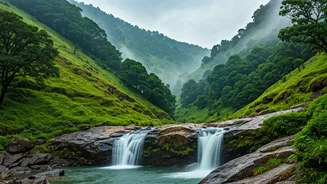
Perhaps the most unique aspect of monsoon travel is its deep connection to wellness and rejuvenation. According to the ancient principles of Ayurveda, the monsoon is the ideal time for healing therapies. The theory is that the body is more receptive to treatment during this period because the atmosphere is cool, moist, and dust-free, which helps open up the pores of the skin. This belief has turned states like Kerala into global wellness hubs during the rainy season. People flock here for 'Karkidaka Chikitsa', a traditional month-long Ayurvedic regimen designed to detoxify and rejuvenate the body. The experience involves specialized diets, oil massages, and herbal treatments, all set against the serene, rain-soaked backdrop of the Western Ghats. Even beyond traditional Ayurveda, the monsoon is a natural fit for wellness travel. Yoga retreats become more meditative, spa resorts feel more cocooning, and the simple act of being surrounded by lush, thriving nature provides a profound sense of peace and restoration that feels impossible during the hotter, drier months.