






Looking for an outdoor activity that doubles as a serious core workout? While hiking and skateboarding both build abdominal strength, they do so in remarkably different ways, offering unique benefits for your fitness and stability.
Hiking: The Core as a Stabilizer
When you think of hiking,
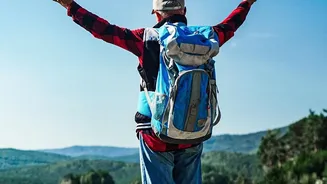
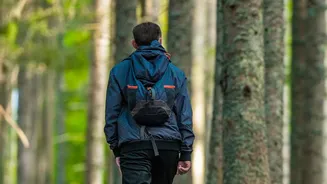
you probably picture strong legs and impressive cardio endurance. While true, one of the unsung heroes of any trek is your core. On a hike, especially over uneven or rocky terrain, your core muscles act as a crucial stabilizing system. Every time you step over a root, navigate a steep descent, or adjust to a shifting trail surface, your deep core muscles—including the transverse abdominis, obliques, and lower back—fire up to keep you balanced and upright. This isn't about generating explosive movement; it's about resisting it. Your core works constantly to prevent your torso from twisting or bending unnecessarily, protecting your spine and allowing you to transfer power efficiently from your legs to the rest of your body. This sustained, low-level engagement builds incredible endurance in the muscles responsible for posture and stability.
Skateboarding: Dynamic and Reactive Power
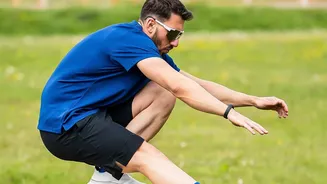
Skateboarding engages the core in a completely different manner. Instead of providing quiet, constant stability, the core of a skateboarder is all about dynamic, reactive power. Maintaining balance on a moving board requires thousands of tiny, rapid-fire adjustments. Your core muscles—from your abs to your obliques and back—are constantly contracting and relaxing to control your center of gravity. When you push, turn, or land a trick, your core is what provides the rotational force and absorbs the impact. This type of engagement builds explosive strength and exceptional proprioception, which is your body's awareness of its position in space. Virtually every muscle is involved, but the core is the command center that coordinates the movement, making skateboarding a full-body workout that hones agility and reaction time.
Stability Endurance vs. Explosive Control
The fundamental difference lies in how the core is challenged. Hiking builds core stability for endurance. It trains your muscles to hold a strong, stable position for hours at a time, which is essential for preventing fatigue and injury on long journeys. Think of it as a marathon for your midsection. Your core learns to be a steadfast anchor, keeping your posture solid even when your legs are tired. Skateboarding, on the other hand, builds dynamic and reactive core strength. It's a series of sprints, demanding your muscles to respond instantly to maintain balance on an unstable surface. This develops the kind of quick, powerful control needed for sports that require rapid changes in direction and balance. While both activities lead to a stronger core, the functional result is distinct: hiking gives you unwavering stability, while skateboarding provides agile, on-demand power.
Which One Is Right For You?
Choosing between hiking and skateboarding depends entirely on your personal fitness goals and what you enjoy. If your aim is to build postural endurance for long-duration activities and develop a rock-solid foundation that prevents back pain, hiking is an outstanding choice. It’s also a fantastic cardiovascular workout that strengthens the major muscles of the lower body, including the glutes, quads, and hamstrings. If you're drawn to activities that build power, agility, and full-body coordination, skateboarding might be a better fit. It’s a high-intensity workout that burns a significant number of calories and sharpens your reflexes like few other activities can. The constant challenge to your balance makes it an excellent way to improve mobility and reduce the risk of falls as you age.