





Moving Beyond a Western Model
For years, the Indian fitness landscape was largely dominated by Western ideals: bodybuilding, heavy weights, and the pursuit of a specific aesthetic. But a quiet revolution is underway. There's a growing shift away from purely cosmetic goals towards
a more integrated vision of health that prioritizes longevity, functional strength, and mental well-being. This new movement doesn't reject the gym, but rather enriches it, creating a hybrid model that feels both modern and deeply familiar. Indians are increasingly seeking workouts that fit into their daily lives, focusing on consistency over intensity and embracing a holistic view that connects body, mind, and spirit.
Yoga: The Flexible Foundation
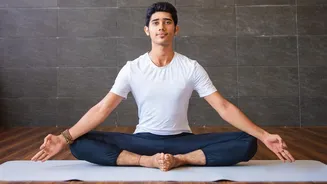
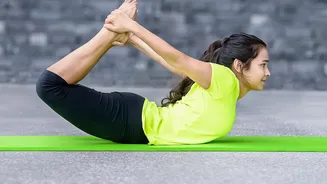
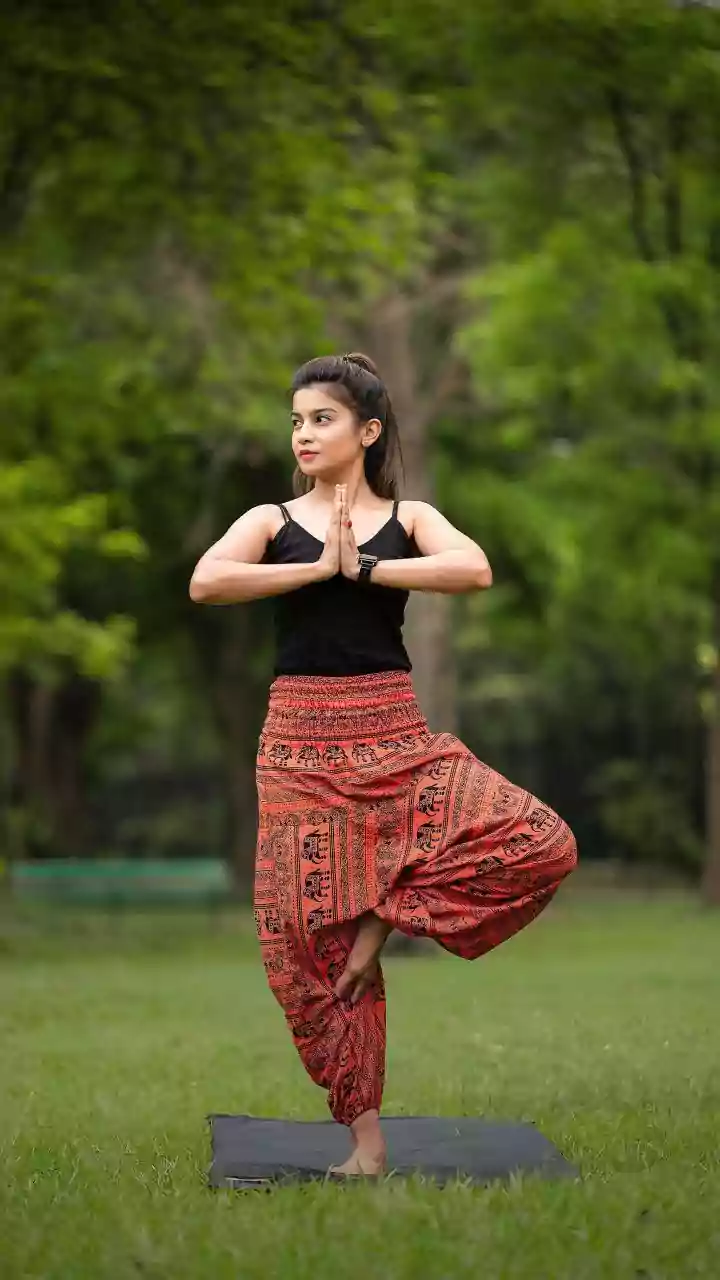
Yoga is no longer just a spiritual practice or a gentle stretching session; it's now a cornerstone of modern athletic training. Fitness enthusiasts and trainers are recognizing yoga as an essential tool for building functional strength, improving balance, and enhancing the mind-body connection. Integrating yoga into a fitness routine helps improve range of motion, which is crucial for executing other exercises like weightlifting with proper form, thereby reducing the risk of injury. Poses that build strength, such as Plank and Warrior variations, complement traditional gym workouts by engaging stabilizer muscles often overlooked in isolated exercises. This fusion of strength and flexibility creates a resilient, well-rounded physique.
Mobility: The Bridge to Better Movement
Often confused with flexibility, mobility is about the ability to control your joints through their full range of motion. It's the crucial link between being strong and being able to move well. In the new Indian fitness mix, mobility training is gaining prominence as a way to unlock better performance and prevent the aches and pains that can come from a sedentary lifestyle or improper training. Exercises focused on hip and shoulder mobility are particularly popular, as they counteract the effects of long hours spent sitting at a desk. This focus on functional movement ensures that the strength gained in a workout translates into everyday life, from lifting groceries to playing with children.
Rediscovering Traditional Power
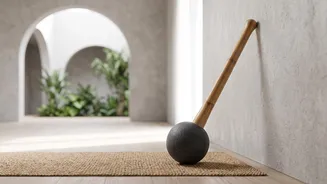
Perhaps the most exciting part of this new trend is the revival of traditional Indian exercises once confined to the akharas (traditional wrestling schools). Implements like the Gada (mace), mudgar (clubs), and bodyweight exercises like Dand (Hindu push-ups) and Baithak (Hindu squats) are making a major comeback. Gada training, in particular, is being celebrated for its ability to build formidable grip strength, powerful shoulders, and a rock-solid core through rotational movements. These ancient tools challenge the body in ways that modern equipment doesn't, forcing stabilizing muscles to work together and promoting a blend of strength, coordination, and mobility. This isn't just about nostalgia; it's a rediscovery of highly effective, time-tested methods for building practical, real-world strength.
The New Holistic Workout Week
So, what does this new approach look like in practice? It’s about balance. A week might include two days of traditional strength training at the gym, focusing on compound lifts. These sessions could be followed by two dedicated yoga classes—one dynamic Vinyasa flow to build heat and endurance, and another restorative session for recovery. Another day might be dedicated entirely to mobility work and traditional exercises, like swinging a Gada to build shoulder stability and rotational power. This is complemented by an overall focus on mindful movement, proper nutrition, and adequate rest, creating a comprehensive approach to wellness that nurtures the body and mind. The goal is no longer just to look fit, but to feel strong, mobile, and balanced in every aspect of life.