





Embrace the Browning Effect
One of the most powerful tools for flavour is heat. When proteins and sugars in food are heated, they undergo a chemical process called the Maillard reaction. This is not simply burning; it's a transformation that creates hundreds of new aroma and flavour compounds.
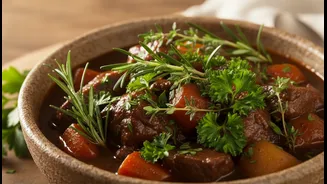
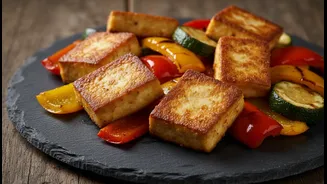
Think of the golden-brown crust on a loaf of bread, the savoury sear on a piece of paneer, or deeply caramelised onions. This reaction is responsible for nutty, roasted, and meaty notes that provide a deep, satisfying base for any dish. To achieve this, ensure your pan is hot and your ingredients are relatively dry. Don't overcrowd the pan, as this causes food to steam rather than sear. Roasting vegetables like carrots, potatoes, and broccoli until they are browned and tender also harnesses this same principle, concentrating their natural sweetness and developing complex, savoury notes.
Unlocking the Power of Umami
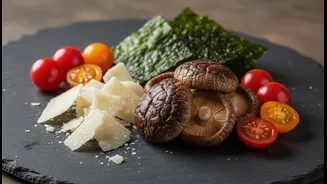
Umami, often called the fifth basic taste, is a savoury flavour that adds depth and richness to food. It's the satisfying, mouth-filling taste found in meat broths, fermented products, and ripe vegetables. Instead of reaching for extra salt, you can introduce umami-rich ingredients to make your cooking more profound. Tomatoes, especially when cooked or sun-dried, are packed with umami. Mushrooms, soy sauce, and aged cheeses like Parmesan are other powerful sources. In an Indian kitchen, tamarind, fermented foods like dosa batter, and even yeast extract can provide that savoury background note. Using these ingredients builds a complex flavour foundation that makes a dish feel complete and satisfying without being overly salty or spicy.
The Bright Spark of Acidity
If a dish feels flat or heavy, the missing ingredient is often not salt, but acid. A splash of acid can brighten and lift all the other flavours in a dish, much like turning up the lights in a room. It cuts through richness and fat, balances sweetness, and provides a refreshing counterpoint. Think about the squeeze of lemon over grilled fish or a bowl of dal, or the tang of vinegar in a salad dressing. Common sources of acidity in Indian cooking include lemon or lime juice, tamarind pulp, yogurt or dahi, and vinegars. Even tomatoes contribute acidity. Adding a touch of acid towards the end of cooking can awaken a dull dish, making the flavours pop without adding any extra salt or fat.
A Symphony of Herbs and Spices
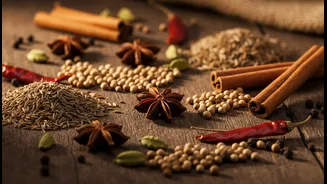
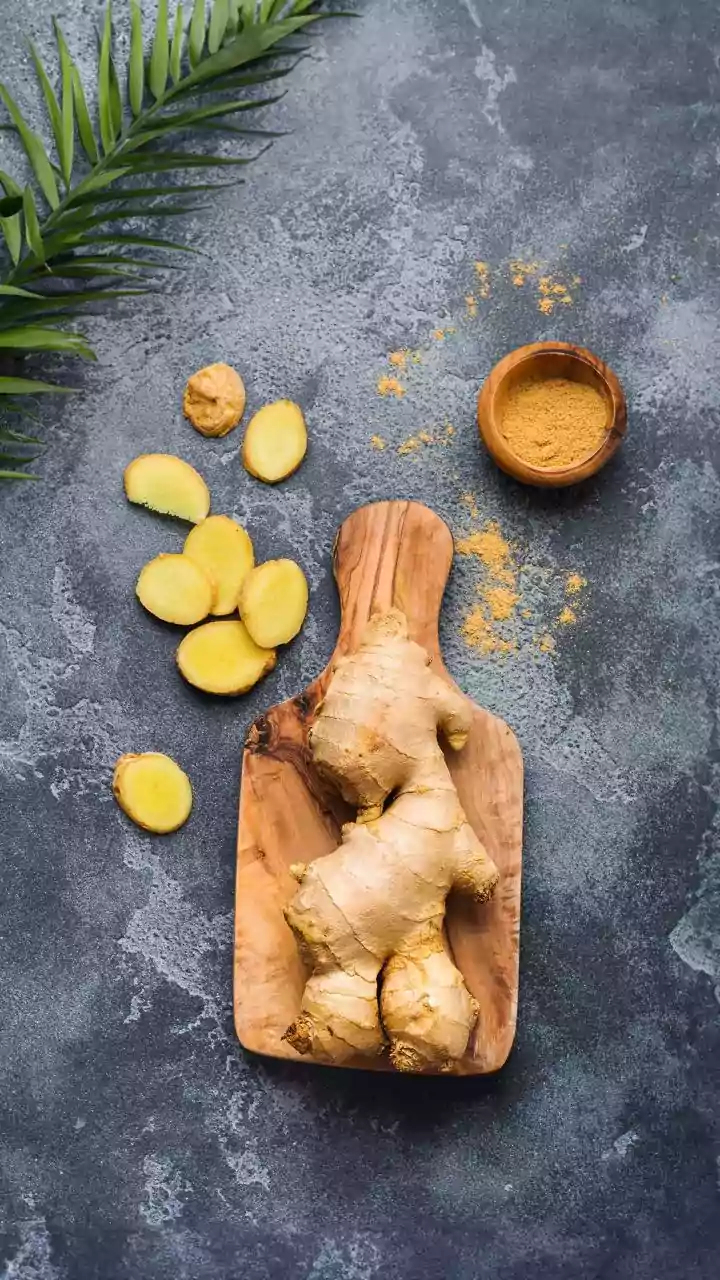
Beyond the heat of chilli, there is a vast world of aromatic spices and herbs that can provide incredible flavour. The key is to think in layers. Toasting whole spices like cumin, coriander, and mustard seeds in a dry pan before grinding them releases their essential oils and intensifies their aroma. 'Blooming' spices by frying them in hot oil or ghee at the beginning of the cooking process allows their flavours to infuse the entire dish. Fresh herbs like coriander, mint, and parsley are best added towards the end of cooking to preserve their delicate, fresh notes. Don't be afraid to use herbs and spices generously. A well-chosen blend of spices like ginger, turmeric, garam masala, cinnamon, and cardamom can create a flavour profile so rich and complex that you won't even miss the extra salt or chilli.
Building Flavour with Fats and Texture
Fat is a crucial carrier of flavour. Many flavour compounds are fat-soluble, meaning they need fat to be effectively distributed throughout a dish. Using good quality fats like ghee, mustard oil, or coconut oil not only adds its own subtle flavour but also helps to extract and carry the flavours of other ingredients, like spices. The process of making a 'tadka' or 'chaunk' is a perfect example of this principle. Furthermore, don't underestimate the role of texture. The crunch of a toasted nut, the creaminess of a puréed vegetable, or the crispiness of a fried onion can make a dish more engaging and satisfying. Combining different textures makes the experience of eating more interesting and can contribute to the overall perception of flavour.