

Gujarat’s Rhythmic Nights and Fasting Feasts
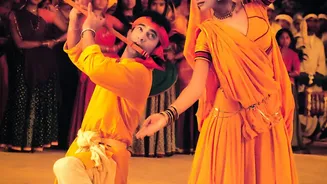
When you think of Navratri, the vibrant image of Gujarat's Garba often comes to mind. In cities like Ahmedabad and Vadodara, the nine nights transform into an energetic spectacle of dance, music, and devotion. This is the heartland of Garba and Dandiya
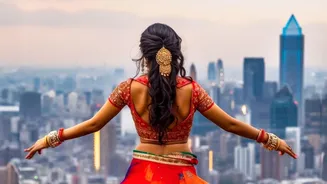
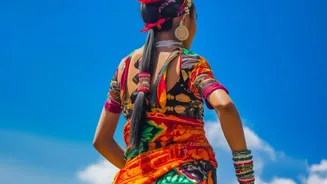
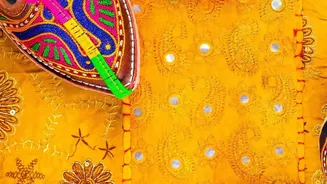
Raas, folk dances performed in concentric circles around a representation of the Goddess Shakti. The experience is a feast for the senses, with women in colourful, mirror-work chaniya cholis and men in traditional kediyu kurta outfits creating a swirling kaleidoscope of colour. But the travel appeal extends beyond the dance floor. The culinary scene during Navratri is a major draw, featuring a wide array of delicious vegetarian and fasting (vrat) foods. Special menus feature dishes like sabudana khichdi (tapioca pearl pilaf), kuttu ki puri (buckwheat flour bread), and an assortment of snacks and sweets that offer a unique taste of Gujarati festive cuisine. Travellers are increasingly planning trips to immerse themselves fully, participating in dance workshops and enjoying these special meals.
Kolkata’s Grand Spectacle of Art and Flavour
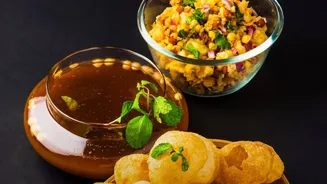
In West Bengal, the festival is celebrated as Durga Puja, a five-day extravaganza of art, culture, and community. Kolkata becomes an open-air art gallery, with thousands of visitors embarking on 'pandal hopping' tours. These pandals are elaborate, temporary structures built to house breathtakingly artistic idols of Goddess Durga vanquishing the demon Mahishasura. Each pandal often follows a unique theme, ranging from replicas of world monuments to critiques of social issues, making it a compelling cultural exhibition. The festival is also a paradise for food lovers. The streets around the major pandals in North and South Kolkata come alive with hundreds of food stalls that operate late into the night. From the iconic kathi rolls and puchkas to elaborate Bengali sweets and full-course 'bhog' meals served at community kitchens, food is an inseparable part of the Puja experience. Travel during this time is a deep dive into Bengali heritage, recognised by UNESCO as an Intangible Cultural Heritage of Humanity.
South India’s Intricate Doll Displays
Further south, in states like Tamil Nadu, Karnataka, and Andhra Pradesh, Navratri takes on a quieter but equally artistic form with the tradition of 'Golu' or 'Bommai Kolu'. Homes are decorated with elaborate, tiered displays of dolls and figurines, known as Golu steps or padi. These displays often narrate stories from Hindu mythology, depict scenes from daily life, or showcase historical events. Setting up the Golu is a creative family activity, and the tradition includes inviting neighbours and friends over to view the displays, sing devotional songs, and share festive food. The quintessential Golu delicacy is 'sundal', a savoury and nutritious dish made from different spiced legumes like chickpeas or peanuts, with a different variety often prepared for each of the nine nights. For travellers, this offers a more intimate and home-centric cultural experience, providing a glimpse into the social fabric and artistic traditions of the region.
Beyond the Metros: Other Unique Celebrations
The diversity of Navratri celebrations extends across the country. In North India, particularly in cities like Delhi and Varanasi, the festival is synonymous with Ramlila—dramatic folk re-enactments of the Ramayana. These performances, which culminate in the burning of effigies of the demon king Ravana on Dussehra, are a major community event and a significant cultural attraction. Varanasi’s Ramnagar Ramlila is especially famous, transforming the entire town into a stage for a month. Meanwhile, in the mountains of Himachal Pradesh, the Kullu Dussehra offers a completely different experience. This international folk festival begins on Vijayadashami, the day Navratri ends elsewhere, and continues for seven days. It features a spectacular procession of hundreds of local deities brought from surrounding villages on ornate palanquins to pay homage to Lord Raghunath, creating a stunning display of faith and tradition in the Himalayas.
Tips for Planning Your Festive Travels
This rising interest in festive travel means that planning ahead is essential. For popular destinations like Gujarat and Kolkata, flights and hotels get booked out weeks, if not months, in advance. It’s advisable to book your accommodation close to the areas you want to explore, as traffic during peak festival hours can be intense. Many travel companies and state tourism boards now offer curated Navratri and Durga Puja packages, which can simplify logistics and ensure you experience the highlights. Check local event schedules before you go, as some Garba events may be ticketed and pandals have specific visiting hours. Embracing the local culture, whether by dressing in traditional attire, trying the festive foods, or respectfully observing rituals, will make your trip a truly memorable immersion into India's incredible festive diversity.