


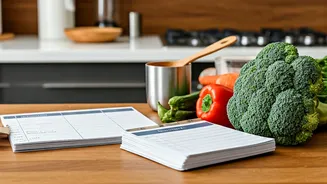


The Old Way vs. The New Way
For years, meal planning was presented as a rigid, all-or-nothing task. The goal was to have a week’s worth of fully cooked, distinct meals portioned out into identical containers. While admirable, this approach often fails because it doesn't account
for life's unpredictability. A last-minute dinner invitation, a sudden craving for something else, or sheer boredom can derail the entire plan, leading to wasted food and frustration. The new trend, which we can call 'flexible' or 'modular' meal planning, throws out the strict rulebook. Instead of preparing entire meals, the focus is on preparing versatile components. Think of it as creating a personal, in-house salad bar or deli counter. You’re setting yourself up for easy assembly, not just reheating. This method adapts to your schedule and cravings, rather than forcing you to stick to a pre-determined, inflexible menu.
Master the Art of Component Prep
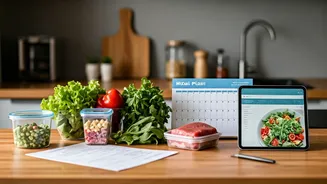
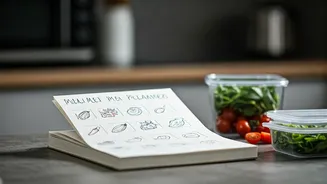
The heart of this trend is component prepping. On your prep day (which doesn’t have to be Sunday!), instead of cooking three different recipes, you prepare individual ingredients that can be mixed and matched throughout the week. This is far less intimidating and much faster.
Here’s what a typical component prep session might look like:
- **Grains:** Cook a large batch of rice, quinoa, or millets.
- **Proteins:** Grill or bake a few chicken breasts, cook a pot of chickpeas, or fry up some paneer cubes.
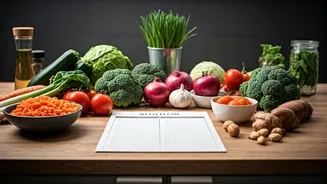
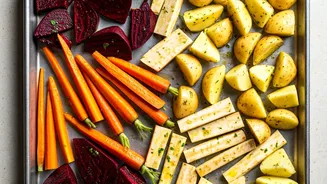
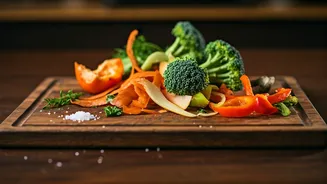
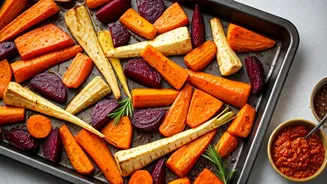
- **Vegetables:** Wash and chop salad greens. Roast a big tray of hearty vegetables like broccoli, carrots, and bell peppers. Dice onions and garlic for quick sautéing later.
- **Sauces & Dressings:** Whisk together a simple vinaigrette, blend a green chutney, or make a versatile yogurt-based dip.
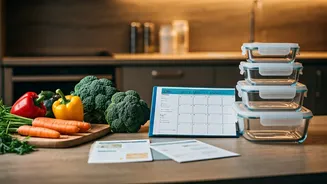
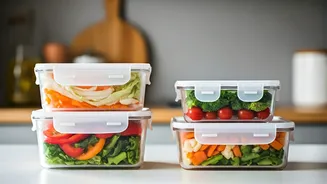
These prepped items, stored separately in your fridge, become the building blocks for countless quick meals.
Embrace Loose 'Theme Nights'
To avoid the dreaded “what’s for dinner?” question, pair your component prep with loose themes. This isn't about rigidly assigning 'Taco Tuesday' or 'Pasta Friday'. Instead, it’s about creating a mental shortcut to spark ideas. The theme simply provides a starting point, and your prepped components do the rest of the work.
For example, on a 'Bowl Night', you can pull out your prepped quinoa, roasted vegetables, and chickpeas, and top it with that homemade vinaigrette for a nourishing grain bowl. On 'Wrap Night', you can use the same grilled chicken and chopped lettuce inside a roti or tortilla with a dollop of yogurt sauce. The themes reduce decision fatigue without locking you into a specific dish. Other theme ideas include 'Soupy Noodles', 'Stir-Fry', or 'Loaded Toasts'.
The Benefits: Less Waste, More Freedom
This modular approach to meal planning comes with significant advantages. Firstly, it drastically reduces food waste. Because ingredients are stored separately, they last longer and can be used in various ways. That roasted broccoli can go in a grain bowl on Monday, a pasta dish on Wednesday, and an omelette on Friday. Nothing gets forgotten in the back of the fridge in its sad, single-use container.
Secondly, it saves a remarkable amount of time and mental energy on busy weeknights. When you're tired after a long day, assembling a meal from prepped components takes 10-15 minutes, not 45. Finally, it brings variety and spontaneity back to the kitchen. You're free to combine your ingredients based on what you feel like eating, making your meals more enjoyable and personalised.