



More Than Just a Look
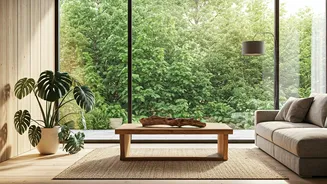
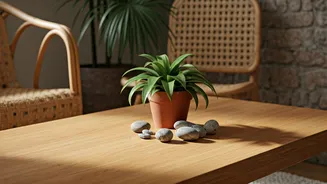
When we talk about organic materials, we're referring to anything derived from nature with minimal processing. Think solid wood furniture that shows its grain, rough-hewn stone countertops, breezy linen curtains, and the intricate weave of rattan or jute.
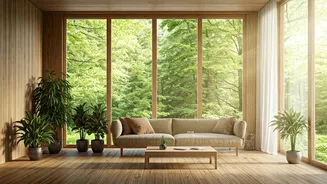
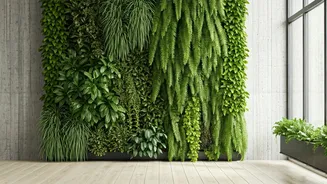
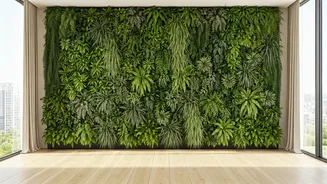
This trend is a gentle rebellion against the mass-produced, synthetic materials that dominated interiors for decades. It's a move away from the flawless and sterile towards something more tactile, imperfect, and authentic. The goal isn't just to mimic nature, but to bring its textures, colours, and calming presence directly into our living spaces. This isn't about creating a rustic cabin aesthetic; it’s about integrating natural elements into clean, contemporary designs to create a balanced, serene environment.
The Psychology of Natural Spaces
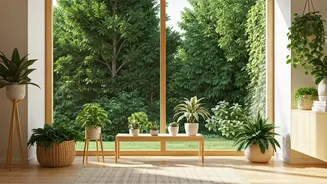
So, why the sudden craving for nature indoors? The answer lies in a concept called 'biophilia'—the idea that humans have an innate tendency to seek connections with nature. In our increasingly digital and urbanised lives, we’ve become disconnected from the natural environment. Bringing organic materials into our homes is a way to subconsciously restore that bond. Studies have shown that exposure to natural elements, even indoors, can reduce stress, lower blood pressure, and improve overall well-being. The visual complexity of a wood grain or the texture of a stone wall engages our senses in a way that a flat, painted surface cannot. This connection to the natural world fosters a sense of calm and belonging, turning our homes into true sanctuaries from the chaos of modern life.
Sustainability Becomes a Priority
The shift towards organic materials is also deeply intertwined with a growing collective consciousness around sustainability. As consumers become more aware of their environmental footprint, they are seeking out products that are responsibly sourced, renewable, and biodegradable. Materials like bamboo, a fast-growing grass, and cork, harvested from the bark of cork oak trees without harming them, have become stars of the eco-friendly design world. Similarly, reclaimed wood, salvaged from old buildings or barns, not only reduces waste but also brings a rich sense of history and character to a space. By choosing natural materials, homeowners are making a statement about their values, prioritising the health of the planet alongside the aesthetics of their home. This makes design a more conscious and meaningful act.
The Modern Organic Palette
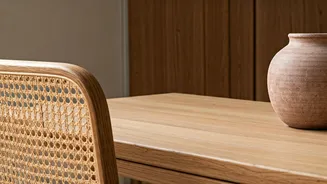
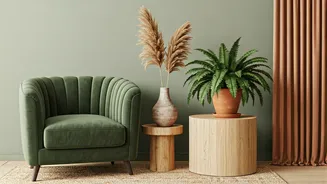
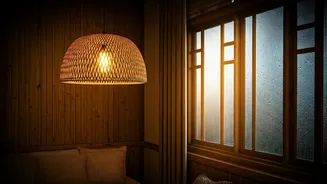
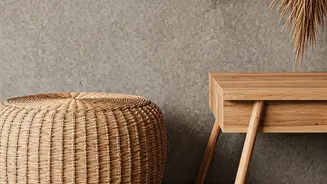
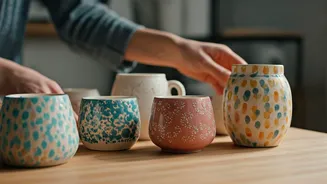
Incorporating this trend is easier than you might think. It’s about layering textures and embracing imperfection. Rattan and wicker, once relegated to patio furniture, are now found in everything from statement chairs and headboards to light fixtures, adding a touch of bohemian warmth. Terracotta, clay, and travertine are bringing earthy tones and matte textures to floors, walls, and decorative objects. In textiles, linen, cotton, and wool in their natural, undyed states provide softness and breathability. The key is to mix these elements thoughtfully. A smooth marble coffee table can be beautifully balanced by a nubby wool rug, while a sleek, modern sofa is softened by linen throw pillows. It’s this interplay between the raw and the refined that defines the new modern interior.