



The idea of a first solo trip is thrilling and a little daunting. It promises freedom and self-discovery, but the planning can feel overwhelming. Here’s how to prepare for a safe, memorable adventure without getting bogged down in the details.
Choose Your Destination Wisely
The best
destination for a first solo trip is one that is easy to navigate and has a good reputation for safety. Look for places with reliable public transport, walkable neighbourhoods, and a well-established tourism infrastructure. Destinations in Europe like Portugal or Ireland, and parts of Southeast Asia like Thailand, are often recommended for their straightforward logistics and social atmosphere. For those in India, destinations like Goa, Kerala, or Rishikesh are considered great starting points due to their experience with independent travellers. Your goal is to choose a place where you can focus on the experience, not constantly solving problems. Consider starting with a shorter trip, like a long weekend, to build your confidence before committing to a multi-week journey.
Create a Simple, Secure Plan
Simplicity is key to avoiding planning fatigue. Start by booking your flight and your first couple of nights' accommodation. Knowing where you’ll land and sleep provides a secure base. Plan to arrive during daylight hours to make navigating to your hotel less stressful. For your itinerary, don't schedule every moment. A good approach is to identify one or two 'must-do' activities for each day and leave the rest of the time free for spontaneous exploration. This balances structure with the freedom that makes solo travel so rewarding. Before you leave, share your itinerary and accommodation details with a trusted friend or family member.
Prioritise Practical Safety
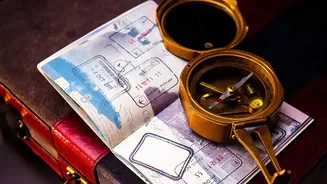
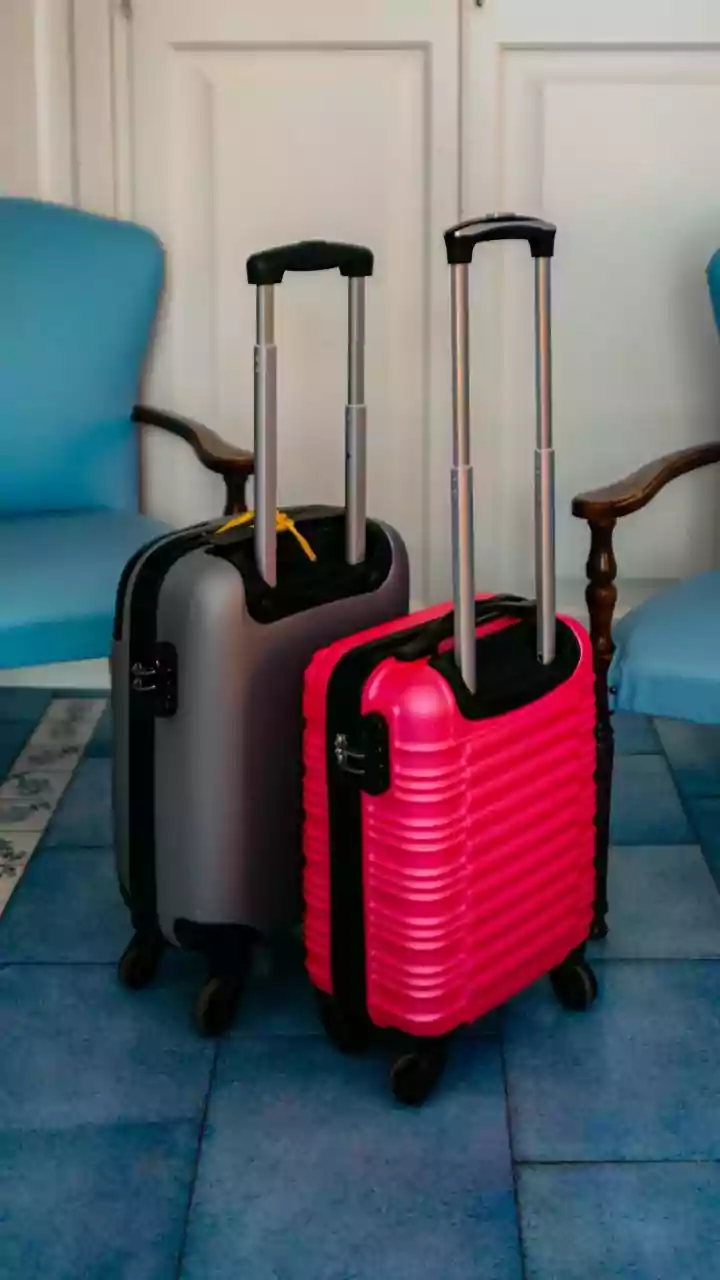
Feeling safe allows you to relax and enjoy the trip. Start by researching your destination's local customs, particularly regarding dress codes, to blend in and attract less unwanted attention. Pack light, using a bag you can comfortably manage on your own. Keep flashy jewellery or expensive electronics out of sight to avoid looking like a target. Make digital and physical copies of your important documents like your passport and visa, and store them separately. It's also wise to have at least two different payment methods, like a credit card and a debit card, and keep them in different places. If anyone asks, it's often best to say you're meeting a friend or partner rather than advertising that you're alone.
Stay Connected and Aware
Your smartphone is a powerful tool, but don't rely on it completely. Download offline maps of the area so you can navigate even without an internet connection. A local SIM card or an international data plan can also be invaluable for staying in touch and accessing information on the go. More importantly, practice situational awareness. Avoid wearing headphones in both ears when walking around, as this can make you less aware of your surroundings. Trust your intuition; if a situation or a person feels off, remove yourself from it without hesitation. Stick to well-lit, populated areas after dark and know how you’ll get back to your accommodation at night.
Embrace the Solo Experience
One of the biggest worries for first_time solo travellers is loneliness. It's a normal feeling, but it's manageable. Eating alone can feel awkward at first, so start by choosing casual cafes or bringing a book. Joining a walking tour or a cooking class on your first day is a great way to familiarise yourself with the city and meet other travellers naturally. Hostels are also a fantastic option for meeting people, but even if you're staying in a hotel, you can find social connection. Remember why you wanted this trip. Set an intention for what you want to experience, whether it’s relaxation, adventure, or self_reflection. The confidence you gain from navigating a new place on your own is one of the greatest rewards.