




The Familiar Pain of a Good Workout
Anyone who has pushed their limits with a new or intense exercise routine knows the feeling. It doesn't hit right away, but about 12 to 24 hours later, a deep muscle soreness and stiffness begins to set in. This is known as Delayed Onset Muscle Soreness,
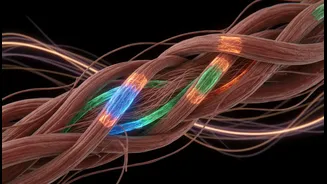
or DOMS. It's the result of microscopic tears in your muscle fibers caused by the strain of exercise. For years, the standard advice was to engage in passive recovery—essentially, to rest completely and wait for the pain to subside, which can take a few days. The logic was simple: your muscles are damaged, so let them heal without any further stress. While rest is important, a growing number of athletes and fitness enthusiasts are finding that being completely sedentary might not be the fastest route to recovery.
The Shift to Active Recovery
Enter active recovery, a strategy that involves low-intensity exercise following a strenuous workout. Instead of parking on the couch, this approach encourages gentle movement on your rest days. The activities are light and designed to get your body moving without causing fatigue or additional strain on your already tired muscles. The core idea is that staying in motion helps the body's natural repair processes more effectively than stopping altogether. This method is not about pushing through pain but rather about facilitating a quicker, more comfortable recovery so you can get back to your next high-intensity session feeling stronger and more prepared.
How Gentle Motion Accelerates Healing
So, why does moving help? The primary benefit of active recovery is increased blood circulation. Low-intensity movement gets your blood flowing, which delivers more oxygen and essential nutrients to your sore muscles. This enhanced circulation also helps to more efficiently clear out metabolic waste products, like lactate, that can accumulate during intense exercise and contribute to stiffness and fatigue. Studies have shown that active recovery can be more effective at clearing lactate than passive rest. This process helps reduce inflammation, soothe muscle tension, and ultimately lessens the feeling of soreness, allowing for a faster return to form.
What 'Easy Movement' Actually Looks Like
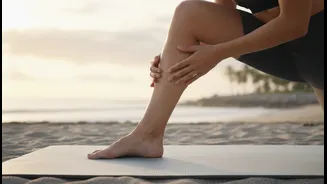
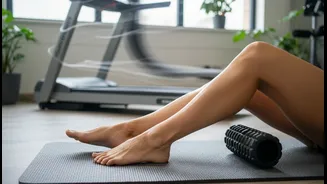
Active recovery shouldn't feel like another workout. The key is to keep the intensity low and the impact minimal. Think of activities that gently engage your muscles and joints without putting them under pressure. Excellent examples include a leisurely walk or slow jog, a relaxed swim, or a gentle cycle on a stationary bike. These activities keep your muscles flexible and can improve joint mobility. Other popular and effective forms of active recovery include restorative yoga or tai chi, which involve slow, controlled movements and stretching that can help alleviate tightness. Even simple dynamic stretches or using a foam roller can be considered a form of active recovery, helping to release muscle knots and improve flexibility.
Integrating Active Recovery into Your Routine
Incorporating active recovery is straightforward. You can use it as a cool-down immediately following a tough workout by, for example, walking for 10-15 minutes after a long run. Alternatively, you can dedicate entire rest days to these low-intensity activities. Instead of a full day off, you might go for a 20-30 minute walk or a light swim. It's crucial to listen to your body. If you're injured or in significant pain, true rest is necessary. However, for typical post-exercise soreness, a little bit of movement can make a significant difference. The goal is to feel better and more energized afterward, not more tired. This approach not only helps physically but can also provide a mental break from high-intensity training, improving your overall sense of well-being and keeping your fitness motivation high.