



The Rhythmic Release of Dance
Dance is an energetic and expressive outlet that provides a potent mood boost. When you dance, your body releases a cocktail of feel-good chemicals, including endorphins and serotonin. These neurotransmitters act as natural mood elevators and painkillers,
which can help reduce symptoms of anxiety and depression. The physical exertion raises your heart rate, which helps lower the body's stress hormones like cortisol over time. Beyond the chemical changes, dance is a powerful form of emotional expression. It allows individuals to communicate feelings and release pent-up emotions through movement, which can be incredibly therapeutic. Furthermore, dance is often a social activity. Learning and moving with others fosters a sense of community and connection, which are crucial for mental and emotional health.
The Mindful Stillness of Yoga
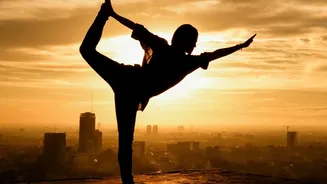
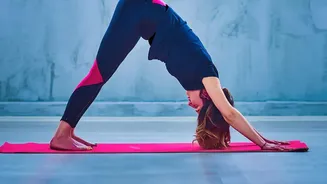
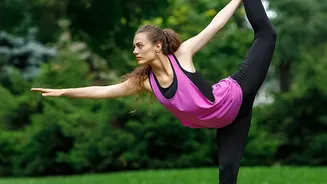
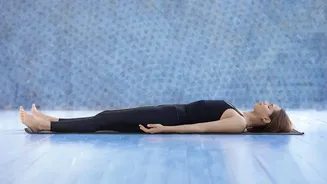
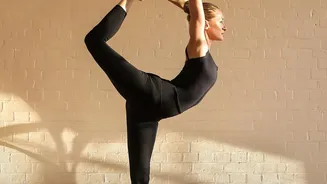
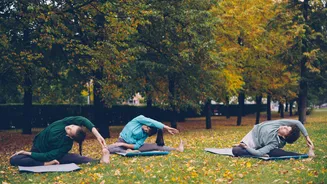
Where dance is often about outward expression, yoga typically turns the focus inward. Its combination of physical postures (asanas), controlled breathing (pranayama), and meditation is designed to calm the nervous system. Research shows that yoga can increase levels of GABA, the brain's primary inhibitory neurotransmitter that helps calm nerve activity. Low GABA levels are linked to anxiety and mood disorders. The deliberate breathing techniques common in yoga can help regulate the body's stress response, shifting it from the 'fight-or-flight' state to a 'rest-and-digest' mode. This mindful focus on breath and body sensations anchors you in the present moment, which can quiet ruminating thoughts and reduce anxiety. Over time, this practice builds a stronger mind-body connection and enhances self-awareness.
Community vs. Introspection
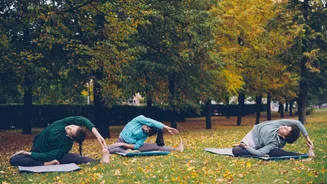
Your personality and social needs might guide your preference. Dance is inherently social and collaborative. Whether in a class or a social setting, moving in sync with others can strengthen social bonds and create a profound sense of belonging. This shared experience can be a powerful antidote to loneliness and a great way to build confidence. Yoga, even when practiced in a group, is a more introspective and personal journey. The focus is on your internal state—your breath, your alignment, and the sensations in your body. This provides an opportunity to build self-awareness and self-compassion. While both can be done alone or in groups, the fundamental orientation of dance is often toward connection with others, while yoga's is toward connection with self.
Expression vs. Regulation
Both practices improve mental health, but they approach the mind-body connection from different angles. Dance provides a powerful outlet for emotional expression, allowing you to physically manifest and release feelings. It’s an active, often cathartic, process. Studies have shown dance can be a promising treatment for depression, in some cases with greater effects than other types of exercise. Yoga, on the other hand, focuses more on emotional regulation. It teaches you to observe your thoughts and feelings without judgment and uses breathwork to manage your physiological response to stress. One study found that while both classical dance and yoga reduced stress in women working from home, the reduction from yoga was more statistically significant. This suggests yoga may be particularly effective for directly targeting the body's stress mechanisms.
Which One Is for You?
Choosing between yoga and dance depends entirely on your personal goals and what you enjoy most. If you are looking for a high-energy workout that allows for creative expression and social connection, dance might be the perfect fit. It's excellent for those who want to 'dance out' their stress and find joy in music and community. If your goal is to calm a busy mind, reduce anxiety through mindfulness, and build a deep connection with your own body, yoga is likely a better choice. It is ideal for individuals seeking to cultivate inner peace and learn tools for emotional self-regulation. There is no wrong answer, and many people benefit from incorporating both practices into their lives. The most effective form of movement is the one you will do consistently.