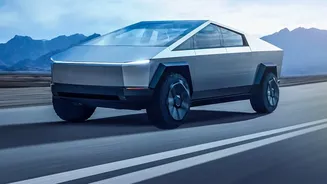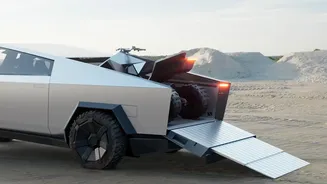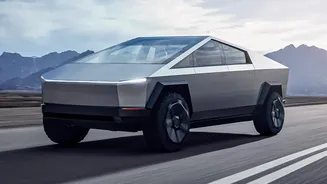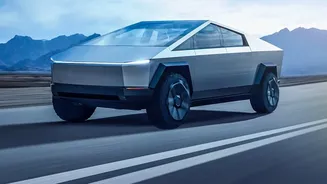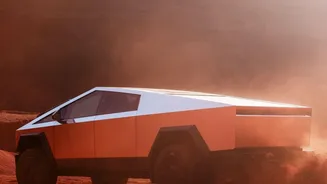

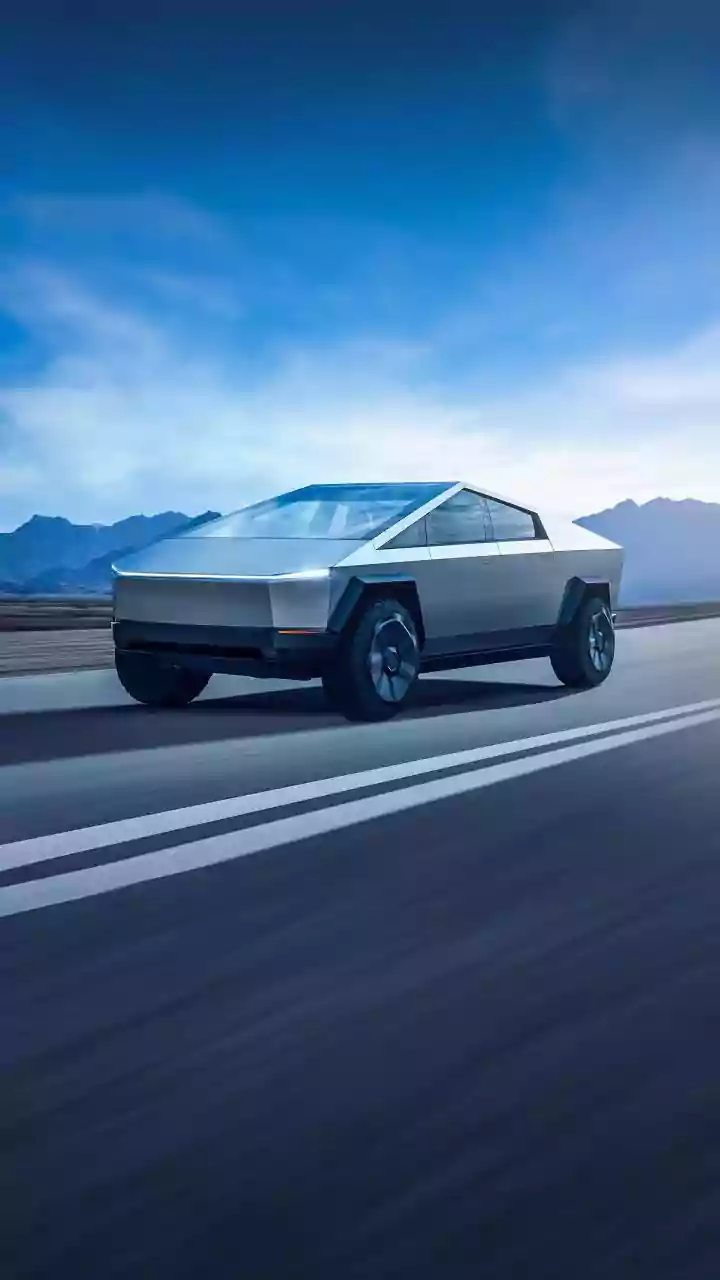

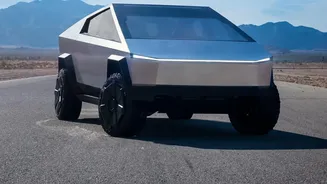
Tesla has announced a major shift for its Giga Texas facility, confirming plans to wind down production of the polarizing Cybertruck around mid-2027. The move signals a strategic pivot away from the stainless-steel pickup to prioritize another futuristic
vehicle.
The End of the Line in Texas
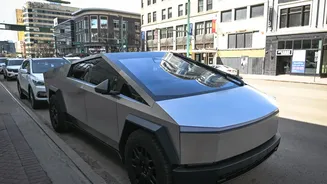
In a surprise announcement on November 6, 2026, CEO Elon Musk stated on the social media platform X that Tesla will be phasing out the Cybertruck assembly line at its main Texas plant. The timeline points to a gradual halt around the middle of 2027. This decision marks a significant turning point for the vehicle that began deliveries to customers in late 2023 after years of anticipation. The Giga Texas facility is currently the only factory equipped to build the Cybertruck, raising questions about whether this marks the end of the model's production entirely or if it could be relocated. For now, the company has not clarified if another plant will take over.
Making Room for the Cybercab
The primary reason given for this strategic shift is to reallocate factory floor space and resources to the production of the Cybercab. The Cybercab is Tesla's purpose-built, two-seat autonomous vehicle designed for its planned robotaxi network. Musk's announcement positions the Cybercab not just as a future project but as an immediate manufacturing priority that requires the industrial footprint currently occupied by the Cybertruck. This pivot underscores Tesla's deepening commitment to autonomous driving as a core part of its business model, moving beyond simply selling cars to consumers and toward operating a transportation service.
A Troubled Production History
While the Cybertruck captured global attention with its radical design in 2019, its journey has been fraught with challenges. Musk once predicted annual sales could reach 250,000 units, but the reality has been far different, with sales figures falling significantly short of that target. According to Kelley Blue Book, U.S. sales dropped from nearly 39,000 in 2024 to just over 20,000 in 2025. The vehicle has also been subject to numerous recalls for issues ranging from a sticking accelerator pedal to problems with its massive windshield wiper and body components. These quality control and manufacturing hurdles, combined with its high price point, have contributed to its underwhelming market performance.
What This Means for Orders and Owners
Following the news, Musk clarified that the current backlog of Cybertruck orders is larger than what the factory can produce before the shutdown. To address this, Tesla plans to add an extra production shift to fulfill as many existing orders as possible. However, Musk also confirmed that many reservation holders will ultimately have their deposits refunded as the company will not be able to build their trucks in time. For current and future owners who receive their vehicle before the line is dismantled, Musk has stated the 'Cybertruck fleet will be around for a long time', though specifics on long-term service and parts availability remain to be detailed.
A Strategic Pivot, Not a Failure?
While analysts suggest 'the writing was on the wall' due to weak demand and high costs, Musk has pushed back against the narrative that the Cybertruck is being discontinued for being unprofitable. Instead, the company frames the decision as a necessary reallocation of resources toward the Cybercab, which Musk sees as central to Tesla's future valuation and identity as an AI and robotics company. The lead engineer for the Cybertruck described the vehicle as an 'incredible technology development platform' that 'lives on through Cybercab'. This suggests that the lessons learned from the Cybertruck's complex manufacturing will be applied to future products, even as the truck itself phases out of production at its original home.