



The Mineral Mystery in Leafy Greens
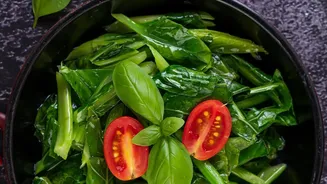
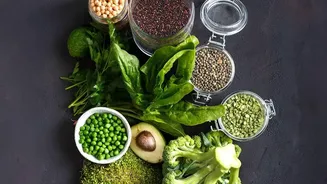
Leafy green vegetables like spinach (palak), fenugreek (methi), and amaranth (chaulai) are celebrated in Indian cuisine and are packed with essential minerals, most notably iron. However, this iron is in a form called 'non-heme' iron, which our bodies
find difficult to absorb. These plants also contain natural compounds called oxalates and phytates, which can bind to iron and other minerals, further preventing their absorption. This means that even if a food is high in iron according to its label, a significant portion of that mineral might pass through your system without ever entering your bloodstream.
Vitamin C: The Key to Unlocking Nutrition
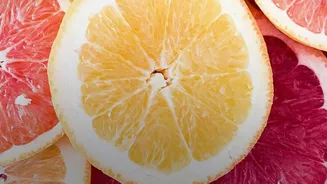
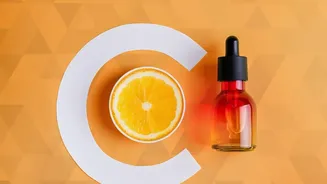
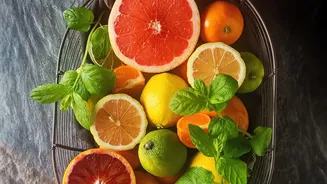
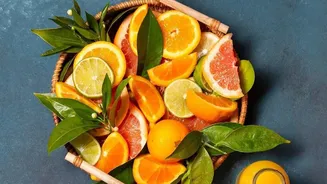
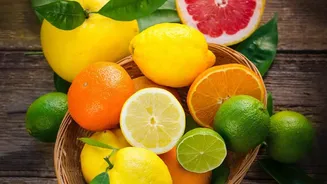
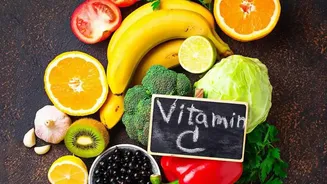
This is where Vitamin C, also known as ascorbic acid, comes to the rescue. Found abundantly in citrus fruits like lemons (nimbu), oranges (santara), and amla, Vitamin C is a powerful nutrient that plays a crucial role in our health. While it's famous for boosting the immune system, one of its most impressive and lesser-known talents is its ability to dramatically enhance the absorption of non-heme iron from plant-based foods. This makes it an essential partner for any vegetarian or plant-heavy diet, which is common across India.
The Science of a Perfect Pairing
So, what is the 'magic' behind this combination? The process is purely scientific. Firstly, Vitamin C helps convert the non-heme iron (the ferric Fe³⁺ form) into a more soluble and absorbable form (the ferrous Fe²⁺ form). Think of it as changing the key to one that perfectly fits the lock of your gut. Secondly, Vitamin C binds to the iron, forming a soluble complex. This protective bond keeps the iron available for absorption and prevents it from getting locked up by inhibitors like phytates and tannins, which are often present in meals rich in grains and legumes. Studies have shown this effect is significant; adding Vitamin C can increase iron absorption several times over. Research suggests that including 25–100 mg of Vitamin C in a meal can boost absorption by two to four times, and in some cases, even more. The headline's claim of 'doubling' absorption is not just possible but may even be an understatement depending on the meal.
Simple and Delicious Combinations for Your Plate
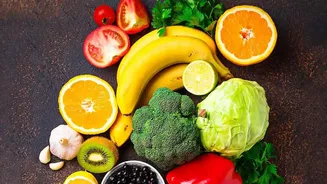
Integrating this nutritional strategy into your daily meals is easy and adds a burst of flavour. The principle is simple: combine your iron-rich greens with a source of Vitamin C in the same meal. A generous squeeze of lemon juice over your palak dal or spinach sabzi is a classic example. You can also make a simple kachumber salad with tomatoes, onions, and cucumber, dressed with lime juice, to serve alongside your main course. Other great pairings include a spinach and strawberry smoothie for breakfast, adding bell peppers (Shimla mirch) to a tofu or paneer dish, or enjoying a glass of fresh orange juice with an iron-fortified cereal. Even adding tomatoes, which are a good source of Vitamin C, to lentil or bean curries can make a noticeable difference.
Beyond Iron: A Powerhouse of Health
While the focus is often on iron, the benefits of this pairing extend further. Both leafy greens and citrus fruits are packed with antioxidants, which protect your cells from damage. Vitamin C is also vital for producing collagen, which helps in wound healing and maintaining healthy skin. Leafy greens provide other essential nutrients like folate, vitamin A, and fibre. By combining these foods, you're not just improving the absorption of one mineral; you are creating a synergistic meal that delivers a broader spectrum of health benefits, from increased energy levels to a stronger immune system and better overall vitality. It's a simple, evidence-based approach to making your healthy diet work even harder for you.