





More Than a Fabric, It’s a Statement
The single biggest driver behind this textile revival is a profound shift in consumer consciousness, especially among Gen Z. This generation views sustainability not just as a buzzword, but as a core value. They are acutely aware of the environmental
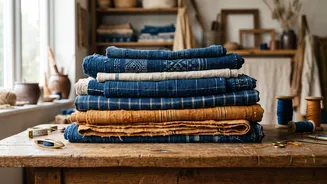
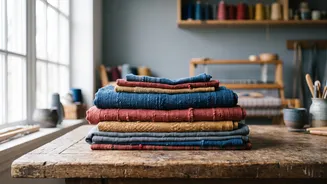
toll of synthetic fabrics, from microplastic pollution to the carbon footprint of production. In contrast, traditional textiles like cotton, linen, khadi, and silk are biodegradable, breathable, and better suited for India’s diverse climates. For these young shoppers, choosing a handloom garment is an ethical statement. It represents a move toward 'slow fashion'—a philosophy that values quality, durability, and a transparent production story over fleeting trends. This isn't about sacrifice; it's about investing in pieces that have a positive impact and a story to tell.
Weaving a Connection to Roots
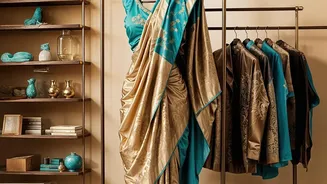
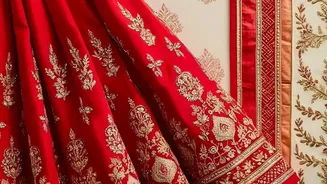
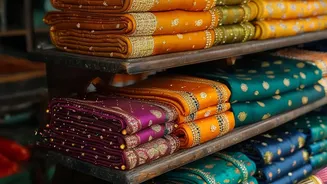
In a world saturated with globalised trends and identical mass-produced goods, younger Indians are finding a powerful form of self-expression in the rich diversity of their own heritage. Regional textiles like Gujarati Ajrakh, Odia Ikat, and Rajasthani Bandhani offer a unique identity that fast fashion cannot replicate. Each weave and print carries a history, a sense of place, and the signature of the artisan who made it. For a generation that grew up with digital feeds, the authenticity and uniqueness of a hand-block printed fabric feels fresh and meaningful. It's a way to connect with their cultural roots while simultaneously standing out. This isn't about recreating their grandparents' wardrobes; it’s about reinterpreting heritage in a modern context, making it personal and relevant to their lives.
From Handloom to Hashtags
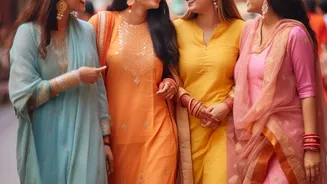
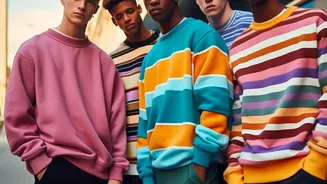
Social media, particularly Instagram, has played a pivotal role in making traditional textiles cool again. Digital platforms have become virtual runways, democratising fashion and allowing new trends to emerge organically. A 2023 Meta study revealed that 76% of consumers discover fashion brands on social platforms. Influencers and content creators are showcasing handloom fabrics in innovative and stylish ways—pairing a Jamdani sari with sneakers or styling a khadi jacket over a dress. These visual platforms have dismantled the old perception of handloom as being outdated or only for special occasions. They highlight the artistry, tell the stories of weavers, and provide endless styling inspiration, making these textiles more accessible and desirable for a global audience. The hashtag has become as mighty as the handloom itself.
Modern Design and Fresh Silhouettes
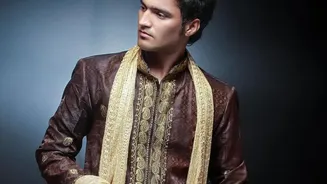
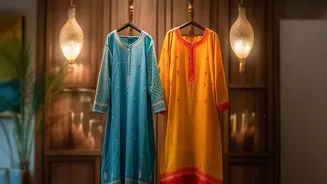
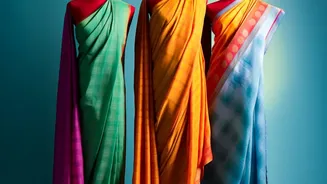
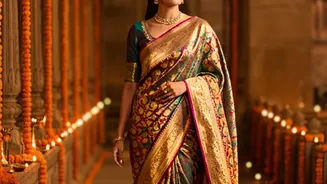
Another crucial factor is that designers and brands are no longer restricting traditional textiles to traditional silhouettes. A new wave of labels is using these venerable fabrics to create contemporary, fashion-forward pieces. You can now find intricate Indian embroidery on denim, old Banarasi saris upcycled into chic co-ord sets, and Khadi tailored into sharp Western blazers. This fusion makes the fabrics more wearable and appealing for everyday life. Major e-commerce platforms have also taken notice, with some reporting a significant surge in demand for handloom products, driven by young consumers seeking culturally rooted yet modern fashion. This has made it easier than ever to find and purchase handloom products, connecting thousands of artisans directly with a new generation of buyers.