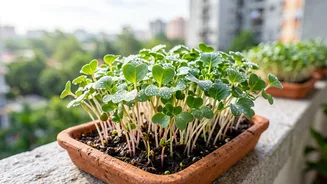




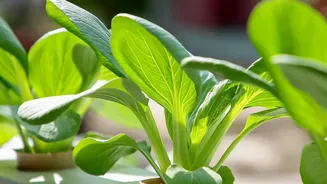
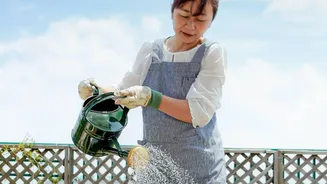
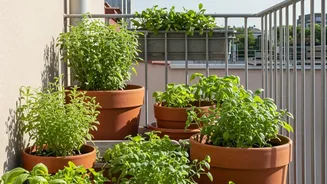
As autumn days shorten and the air chills, the season for lush outdoor gardens winds down. But your harvest doesn't have to end. Microgreens offer a brilliant way to keep fresh, nutrient-packed flavours at your fingertips, right on your balcony.
Your Simple Balcony Setup
Getting
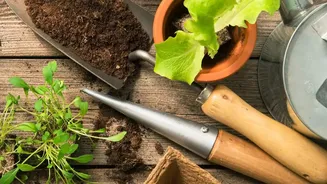
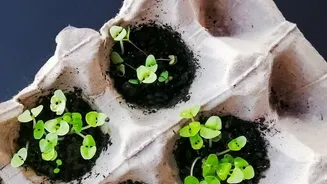
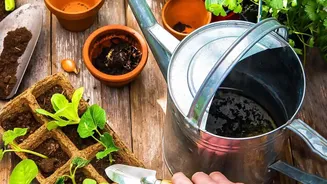
started with microgreens is surprisingly simple and doesn't require a lot of space or expensive equipment. You can have a thriving mini-garden with just a few basic items. First, you'll need shallow trays, about two to three inches deep, with drainage holes. Recycled plastic food containers work well. Next is the growing medium; a fine-textured seed-starting mix or a soilless blend like coconut coir is ideal. Avoid heavy garden soil. You'll also need quality seeds from a reputable supplier, a spray bottle for gentle watering, and a spot on your balcony that receives some natural light, though many microgreens are tolerant of lower light levels. A bright windowsill can be a perfect location.
Radish: The Speed Champion
If you want near-instant gratification, radish microgreens are for you. They are widely considered the fastest and easiest variety to grow, often ready for harvest in just 6 to 10 days. These greens pack a delightful, peppery punch that is much like a mature radish but with a crisp, leafy texture. To grow them, spread the seeds evenly over your moist growing medium, press them down gently, and cover the tray for a 'blackout period' of two to three days to encourage germination. Once sprouts appear, move them into the light. Harvest when they are two to three inches tall, just as their first true leaves start to show. Their speed and spicy flavour make them a perfect topping for salads and sandwiches.
Broccoli: The Nutrient-Dense Favourite
Broccoli microgreens are another fantastic choice for beginners, known for being incredibly easy and fast to grow. They are typically ready to harvest in 8 to 12 days and offer a mild, fresh cabbage-like flavour. These tiny greens are packed with nutrients, most notably sulforaphane. Growing them is straightforward. The seeds don't require pre-soaking. Sow them densely on your moist medium, cover for a few days until they sprout, and then introduce them to light. They grow well year-round indoors, making them perfect for a November balcony garden. Their mild taste makes them a versatile addition to smoothies, soups, and sandwiches.
Pea Shoots: Sweet, Crunchy, and Cool-Hardy
For a taste of sweet, fresh peas, look no further than pea shoots. These are the tender young tendrils of the pea plant, and they are an excellent cool-season crop that thrives in autumn conditions. They have a deliciously sweet flavour and a satisfyingly crunchy texture. Growing pea shoots takes a little longer, around 10 to 14 days, but they can often be harvested more than once. To speed up germination, soak the pea seeds overnight before planting. Sow them thickly in your tray and cover them with a thin layer of soil. Keep them in a bright spot and the soil consistently moist. Harvest the shoots when they are four to six inches tall by snipping them just above the bottom set of leaves.
Mustard: For a Spicy Kick
If you enjoy a bit of heat in your food, mustard microgreens deliver a pungent, spicy flavour that can liven up any dish. Alongside radish, they are one of the fastest-'growing'' options, often ready to harvest in as little as 5 to 7 days. Their rapid growth and tolerance for cooler temperatures make them an excellent choice for a quick autumn crop. You don't need to soak the small seeds; simply sprinkle them evenly over the moist soil, lightly press them in, and mist. After a blackout period of two to three days, move them to a spot with indirect sunlight. Their zesty flavour is a fantastic accent in salads and as a garnish for soups and curries.