








What Exactly Are 'Ultra-Processed' Foods?
The term comes from the NOVA classification system, which categorises food based on its level of industrial processing. Unprocessed foods are things like fresh fruits, vegetables, and meats. Processed foods have been altered to preserve them, like canned
vegetables or cheese. Ultra-processed foods, or UPFs, are in a different league. They are industrial formulations made from substances extracted from foods or synthesised in labs. Think of ingredients you wouldn't find in a home kitchen: high-fructose corn syrup, hydrogenated oils, protein isolates, and additives like emulsifiers, artificial flavours, and colours. These products are designed for hyper-palatability, long shelf life, and convenience.
The Usual Suspects and The Surprising Culprits
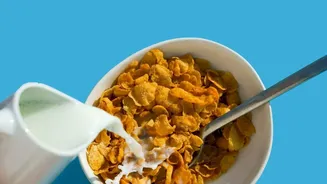
It’s easy to label instant noodles, chips, and sugary soft drinks as ultra-processed. But the reality is that UPFs are often disguised as wholesome choices. Many mass-produced packaged breads, for instance, contain emulsifiers and preservatives that place them in the UPF category. Other surprising culprits commonly found in Indian shopping baskets include flavoured breakfast cereals, ready-to-eat curry mixes, packaged soups, and even some fruit-flavoured yogurts. So-called “healthy” snacks like protein bars can also be UPFs, packed with sweeteners and fillers. Even traditional Indian snacks available in packaged form, like instant dhokla mixes or ready-to-eat parathas, may qualify due to industrial processing and additives.
Why Does It Matter for Your Health?
A growing body of research links high consumption of ultra-processed foods to significant health risks. Studies have shown strong associations between diets high in UPFs and an increased risk of obesity, type 2 diabetes, and cardiovascular disease. Some large-scale studies have found that a high intake of these foods is linked to a greater risk of heart attacks, strokes, and even a higher risk of early death from all causes. The exact reasons are still being studied, but it's believed to be a combination of factors. UPFs are often high in unhealthy fats, added sugar, and salt, while being low in essential nutrients like fibre and vitamins. They are also engineered to be so palatable that they can override the body's natural fullness signals, leading to overconsumption.
How to Spot a UPF in the Supermarket
Becoming a savvy shopper is your best defence. The key is to ignore the health claims on the front of the package and turn it over to read the ingredient list. A long list of ingredients is your first red flag. Look for names you don't recognise or wouldn't use in your own kitchen, such as maltodextrin, hydrolysed proteins, or various gums and stabilisers. The presence of artificial sweeteners, colours, and the vague term 'natural flavours' also signals a product is likely ultra-processed. If the list contains multiple types of sugar (like glucose syrup, invert sugar, or dextrose), it's another warning sign. A good rule of thumb is the “kitchen cupboard test”: if you wouldn't stock the ingredient at home, you may want to reconsider the product.
Simple Swaps for a Less Processed Diet
Reducing your UPF intake doesn't require a complete dietary overhaul. It's about making small, mindful changes. Instead of buying fruit-flavoured yogurt, opt for plain curd and add your own fresh fruit. Swap instant oatmeal packets for plain rolled oats and customise them with nuts and seeds. When possible, make sauces, dressings, and gravies from scratch to control the ingredients. Choosing whole foods over packaged alternatives is always a win—an apple instead of a packaged fruit bar, or homemade chapati instead of mass-produced bread. The goal isn't to eliminate all processed foods, but to shift the balance back towards a diet rich in whole and minimally processed ingredients that have nourished generations.