





The Battle Against Muscle Loss
One of the most significant challenges of aging is sarcopenia, the natural and gradual loss of muscle mass and strength. This process can begin as early as age 30 and accelerates in later decades. Sarcopenia is a primary culprit behind reduced mobility,
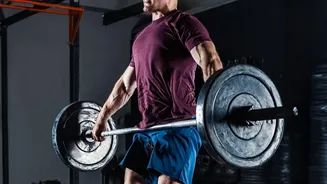
a higher risk of falls, and a general feeling of frailty. Resistance training, also known as strength training, directly counteracts this decline. By challenging your muscles, you stimulate them to grow stronger and more resilient. Research shows that consistent training, even when started later in life, can slow, stop, and even reverse age-related muscle loss. This isn't about becoming a bodybuilder; it's about maintaining the functional strength needed for daily life.
Building a Stable Foundation for Agility
Strong muscles do more than just lift things; they form a protective and stabilizing scaffold for your entire body. When the muscles in your legs, hips, and core are strong, they provide better support for your joints, which is crucial for maintaining balance and preventing falls. Falls are a leading cause of injury and loss of independence among older adults. Strength training enhances your body's ability to remain stable, whether you're walking on uneven ground or reacting to an unexpected trip. Exercises that mimic daily movements, such as squats (which help with getting up from a chair) or carrying weights (like groceries), build functional strength that directly translates into a steadier, more agile body.
Sharpening the Mind-Muscle Connection
Agility isn't just about muscle power; it's also about how quickly your brain can communicate with your muscles. This is known as the neuromuscular connection. Resistance training strengthens this vital link. Each lift, push, and pull sends signals between your brain and muscles, enhancing coordination, balance, and reaction time. This improved connection helps you move more efficiently and respond faster, which is critical for avoiding falls and navigating daily life safely. Studies have also shown that resistance training can have significant cognitive benefits, improving functions like memory and attention, which are also key components of maintaining an independent lifestyle.
More Than Muscle: Fortifying Your Bones
While building muscle is a primary benefit, resistance training also offers a crucial advantage for skeletal health. With age, bone density naturally declines, increasing the risk of osteoporosis and fractures. Weight-bearing exercises place a healthy stress on your bones, signaling your body to build them up stronger and denser. Think of it as an investment in your body's framework. This process helps to slow bone loss and can reduce the risk of debilitating fractures, particularly in the hip and spine, further securing your mobility and long-term health.
The Direct Path to Daily Independence
Ultimately, the physical benefits of resistance training culminate in one overarching goal: preserving independence. The strength built in the gym directly translates into the ability to perform activities of daily living with ease and confidence. This includes everything from carrying laundry baskets and climbing stairs to getting in and out of a car and playing with grandchildren. By maintaining physical capacity, older adults are far more likely to live independently, recover more quickly from illness, and enjoy a higher quality of life. Strength is not just a physical attribute; it is a cornerstone of autonomy as we age.