

From Homecoming to Cultural Exploration
The traditional festival journey—a train or bus ride back to the ancestral village—is evolving. While family remains central, a new travel philosophy has taken root. A recent Skyscanner report revealed that 84% of Indian travellers are prioritizing culture-led
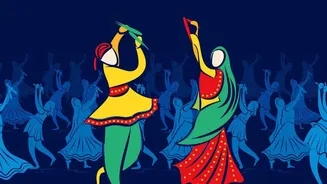
trips within the country, and a remarkable 72% are planning or considering travel specifically for a festival. Instead of just fulfilling familial duties, Indians are now seeking immersive cultural experiences. They are travelling to witness the grand Durga Puja in Kolkata, experience the devotional fervour of Ganesh Chaturthi in Maharashtra, or participate in the vibrant Navratri Garba in Gujarat. This represents a move from travel as an obligation to travel as a choice for enrichment and discovery.
Drivers of the New Festival Itinerary
Several factors are fuelling this trend. Rising disposable incomes and the prevalence of nuclear family structures provide many with the financial freedom and flexibility to travel. Furthermore, there is a growing desire for authenticity. After years of generic holidays, many now seek deeper connections with India's diverse heritage. Travel companies like Thomas Cook India have noted that nearly 75% of their customers express a strong interest in experience-led holidays. This shift is also reshaping travel schedules. Rather than being confined to summer or winter breaks, travel is now a year-round activity, planned around India's extensive cultural calendar. The search for unique memories is prompting families and young professionals alike to combine celebration with exploration.
The Potent Influence of Social Media
The fear of missing out, amplified by social media, is a powerful motivator. Platforms like Instagram and YouTube have become the primary source of travel inspiration for 42% of Indian travellers. The visual spectacle of festivals—from the riot of colours at Holi to the million glittering lamps of Diwali—makes for compelling content. This digital exposure transforms regional events into must-see national phenomena. A once-local music event like the Ziro Festival in Arunachal Pradesh now sees booking demand grow multiple times year-on-year, largely thanks to its social media appeal. This has turned festival tourism into a self-reinforcing cycle: people see vibrant celebrations online, they travel to experience them, and their posts inspire others to follow.
Beyond Diwali and Holi
While major festivals like Diwali and Holi remain huge draws, this trend extends to a wide array of regional and niche events. Travellers are venturing to Nagaland for the Hornbill Festival, Rajasthan for the Pushkar Camel Fair, and Gujarat for the Rann Utsav. Even music festivals are becoming significant travel drivers, especially for younger demographics. A recent report found that one in three Gen Z travellers prefers a trip built around a music festival to a traditional holiday. These events offer a unique blend of music, local culture, and community, with Northeast India emerging as a key destination. This diversification spreads the economic benefits of tourism beyond traditional hotspots and throughout the year.
How the Travel Industry Is Adapting
The travel and tourism industry has been quick to respond. Companies are no longer just selling flights and hotels; they are curating end-to-end cultural experiences. Travel platforms are designing special packages for events like Durga Puja and Diwali, blending sightseeing with festival participation. The recognition of festivals as major economic drivers is leading to more structured offerings. This includes creating searchable digital calendars of events and integrating them into booking platforms to improve visibility. Hotels and local businesses in festival-centric destinations see a significant surge in revenue, stimulating local economies and supporting artisans and vendors. This strategic pivot acknowledges that for modern Indian travellers, the 'when' and 'where' of a trip is increasingly being decided by the 'what'—the festival they want to experience.