






An Active and Unpredictable Monsoon
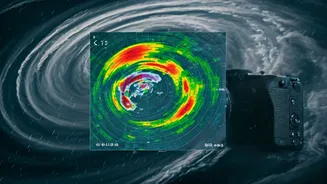
The 2026 monsoon season in Eastern India is proving to be particularly active. The India Meteorological Department (IMD) has flagged the formation of a low-pressure area over the northwest Bay of Bengal, influencing weather across West Bengal, Odisha,
Bihar, and Jharkhand. This system is bringing widespread, heavy rainfall, with forecasts predicting these conditions will persist. Unlike a typical monsoon, the current patterns are causing intense spells of rain, leading authorities to issue specific warnings for several districts. For travellers, this means that weather conditions can change rapidly, turning a pleasant trip into a hazardous situation without warning.
Key Regions on High Alert
Several states in Eastern India are currently under close watch. In Odisha, the IMD has issued red and orange warnings for multiple districts, anticipating heavy to extremely heavy rainfall, particularly in southern regions like Koraput and Malkangiri. Gangetic West Bengal is also expected to see very heavy rainfall. Sub-Himalayan West Bengal and Sikkim have been placed on red alert for extremely heavy downpours, which increases the risk of landslides in the hilly terrain. Bihar and Jharkhand are also experiencing fairly widespread rainfall, with yellow alerts in place. Fishermen along the coasts of West Bengal and Odisha have been advised not to venture into the sea due to rough conditions. These alerts signal a clear risk to normal activities, including travel.
Decoding the IMD's Colour-Coded Warnings
Understanding the IMD's alerts is crucial for making safe travel decisions. The department uses a four-colour system to communicate the severity of expected weather. Green (No Warning): All is well; no adverse weather is expected. Yellow (Be Aware): This is a watch signal. It indicates the potential for severe weather that could disrupt daily life. For travellers, it’s a prompt to stay updated. Orange (Be Prepared): This is an alert for extremely bad weather. It carries a high likelihood of disruptions to transport and communication, including road and rail closures. Travel plans should be reconsidered. Red (Take Action): This is the highest level of warning, issued when severe weather is imminent and poses a significant risk to life and property. All non-essential travel should be cancelled.
Beyond Rain: The Associated Dangers
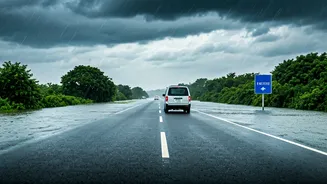
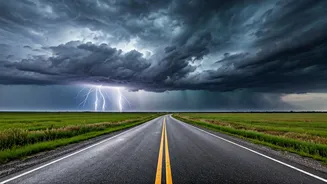
The primary danger isn't just the rain itself, but the hazardous conditions it creates. In hilly areas like Darjeeling and Sikkim, persistent rainfall significantly increases the risk of landslides, which can block roads for days and isolate entire areas. In low-lying and coastal regions of West Bengal and Odisha, waterlogging and flash floods are a major concern, capable of disrupting road and rail networks and making travel impossible. Strong winds and lightning are also common during these weather events, posing a direct threat to safety, especially in open areas. These secondary effects are often more disruptive and dangerous than the downpour itself, making it vital to heed IMD warnings and avoid vulnerable areas.
Your Monsoon Travel Safety Checklist
If you must travel, or if your trip is already underway, preparation is key. First and foremost, monitor the IMD's official website and its social media channels for the latest district-specific forecasts and warnings. Always have a backup plan; book flexible flights and hotels that allow for last-minute changes or cancellations. Pack an emergency kit containing a power bank, a first-aid kit, dry food, and any essential medications. Inform family or friends of your itinerary and check in with them regularly. Before setting out each day, check local news and traffic updates for information on road closures or train delays. Avoid travelling during the peak hours of a predicted storm and never attempt to cross flooded roads or bridges. Prioritizing caution over convenience can make all the difference.