

The Science of Fermentation
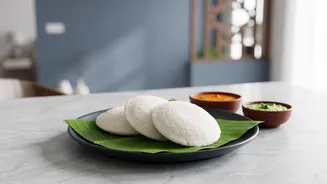
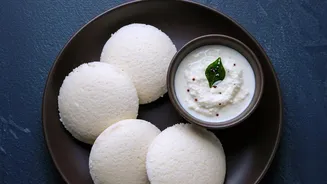
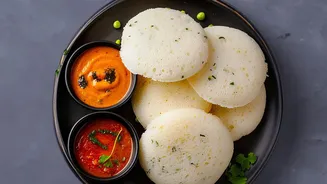
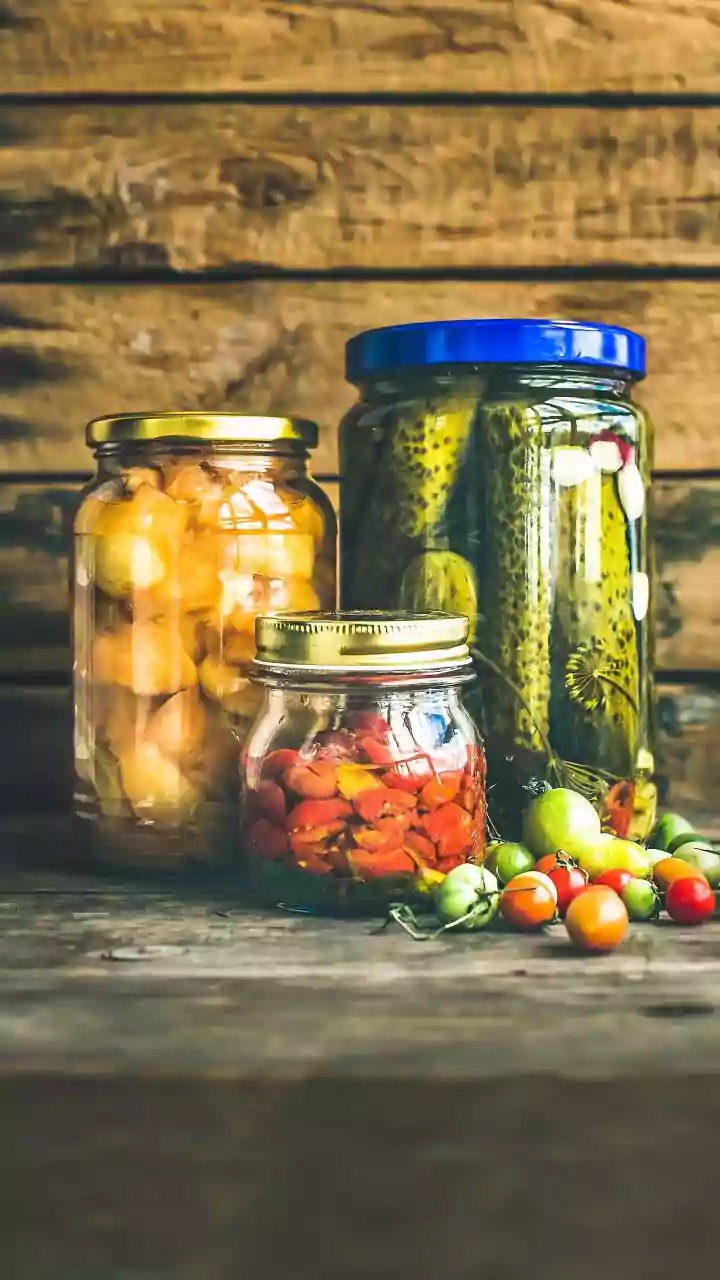
At its core, fermentation is a natural process where microorganisms like bacteria and yeast convert carbohydrates into other substances like acids or alcohol. In the case of idli batter, a ground mixture of rice and urad dal (black gram) is left to rest
for several hours, typically 8 to 12. During this time, naturally occurring microorganisms get to work. The primary players are Lactic Acid Bacteria (LAB), such as Leuconostoc mesenteroides and various Lactobacillus species, along with some yeasts. These microbes break down the starches and proteins in the batter, fundamentally changing its composition and creating the characteristic tangy flavour and spongy texture.
Breaking Down Proteins for Better Digestion
One of the most significant benefits of this process is the improvement in protein digestibility. The proteins in rice and dal can be complex. During fermentation, the bacteria produce enzymes called proteases, which act like molecular scissors, breaking down these large proteins into smaller, simpler components like peptides and amino acids. This process is essentially a form of pre-digestion. When you eat the cooked idli, your digestive system has less work to do, allowing it to absorb these essential building blocks more efficiently. This makes idli an excellent source of easily digestible protein, which is particularly beneficial for all age groups.
Cultivating a Healthy Gut Flora
The term 'gut flora' or 'gut microbiome' refers to the vast community of trillions of bacteria living in your digestive system. A healthy balance of these microbes is crucial for digestion, immunity, and even mood. Fermented foods like idli batter are rich in these beneficial bacteria, which are also known as probiotics. When you consume foods made from this batter, you introduce these good bacteria into your gut. These probiotics help maintain a healthy balance in your microbiome, potentially reducing issues like bloating and indigestion and strengthening your gut lining. It is important to note, however, that the high heat from steaming kills the live bacteria, so cooked idli is technically not a probiotic food. Instead, it functions as a prebiotic, providing fibres and compounds that feed the good bacteria already in your gut.
Unlocking Essential Nutrients
Beyond protein, fermentation also enhances the bioavailability of several key micronutrients. Grains and legumes contain compounds called 'anti-nutrients', such as phytic acid. Phytic acid can bind to minerals like iron, zinc, and calcium, preventing your body from absorbing them effectively. The fermentation process significantly reduces the levels of phytic acid. The bacteria produce enzymes that break down these anti-nutrients, thereby 'unlocking' the minerals and making them more available for your body to use. Studies have shown this can dramatically increase the absorption of minerals like iron. Furthermore, the fermentation process actually synthesizes and increases the levels of B vitamins, including thiamine (B1), riboflavin (B2), and folic acid, which are vital for energy production.
More Than Just a Tasty Breakfast
The combination of rice and urad dal is not accidental. Together, they provide a complete protein profile, meaning they contain all the essential amino acids your body needs. The fermentation process enhances this further by improving protein quality. The resulting idli is not only light and easy on the stomach but also low in calories and fat, making it a healthy choice for weight management. The leavening, caused by the carbon dioxide produced by the bacteria, creates the soft, spongy texture that makes idli so enjoyable to eat, proving that this ancient culinary technique is a perfect blend of science and taste.