







The Unseen Cost of Celebration
For decades, the immersion of Ganesha idols has been a cherished ritual, but it came with a hidden environmental price. Most commercially available idols were made from Plaster of Paris (PoP), a non-biodegradable material. When immersed, these idols can
take months or even years to dissolve, slowly releasing toxic chemical paints into rivers, lakes, and oceans. These paints often contain heavy metals like lead and mercury, which contaminate water sources, harm aquatic life, and can even enter the human food chain, posing health risks. The seemingly festive conclusion to the celebrations was leaving a long-lasting scar on the very nature the festival honours.
A Return to Tradition
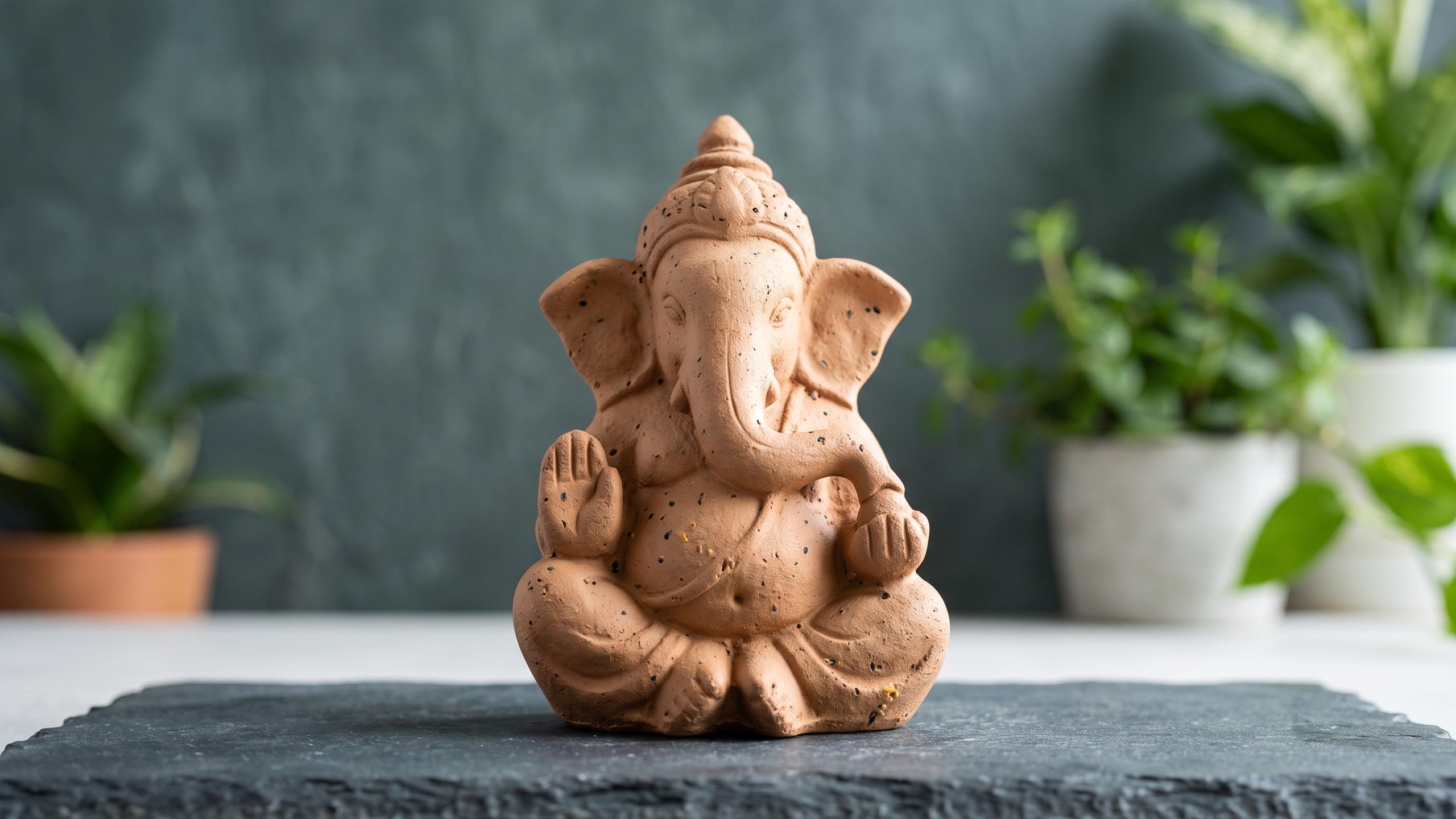
In response, young Indians are championing a return to the festival's ecological roots. The star of this movement is the 'shadu maati' idol, made from natural riverbed clay that dissolves in water within hours, leaving no harmful residue. This isn't just about buying a different product; it's a hands-on revolution. Across cities like Pune and Mumbai, workshops teaching people to sculpt their own Ganesha idols from clay are gaining immense popularity, especially among children and young adults. Guided by artisans, participants learn to knead, mould, and shape their own eco-friendly Bappa, turning festival prep into a creative and personal experience.
Crafting a Deeper Connection
The move towards clay idols is about more than just environmentalism; it's about forging a deeper, more meaningful connection to the festival. For many young participants and their families, the act of making an idol together fosters a sense of ownership and reverence. It transforms a commercial transaction into a personal spiritual craft. This DIY approach has also spurred incredible creativity, with people using natural ingredients like turmeric, rice flour, and even chocolate to create unique and fully biodegradable idols at home. This personal investment in the idol makes the celebration more intimate and the eventual 'visarjan' (immersion), often done at home in a bucket, a more thoughtful farewell.
The Ripple Effect of Green Choices
This youth-driven trend is creating significant ripples. Social media is buzzing with tutorials and images of homemade idols, inspiring more people to make the switch. Environmental groups and influencers are organising awareness campaigns, merging the festive spirit with a powerful message of conservation. Some innovative creators are even embedding seeds into the clay idols. After immersion in a pot, the clay nourishes the seeds, which then sprout into a plant, beautifully symbolising the cycle of life and renewal. This growing demand is also creating a new market for artisans who specialise in traditional clay sculpting, helping preserve an ancient craft.
Obstacles on the Green Path
Despite the growing enthusiasm, the path to a fully green Ganesh Chaturthi has its challenges. Plaster of Paris idols are often cheaper and more widely available due to mass production, making them an accessible choice for many. There is also a need for greater awareness among some artisan communities about the true environmental impact of PoP and chemical paints versus water-based alternatives. However, the momentum is undeniable. Government bodies and local municipalities are increasingly promoting eco-friendly practices and setting up designated immersion points, acknowledging the importance of this shift. As awareness spreads, the demand for sustainable options is expected to continue growing, making eco-friendly idols the norm rather than the exception.