




First, Read the Care Label
Before you begin, the most crucial step is to check the care label inside your garment. These symbols are not suggestions; they are instructions based on the specific fibre content and construction of the knit. A label that says 'Dry Clean Only' should
be taken to a professional. 'Machine Washable' means you have the option to use a machine, though hand washing is often still a gentler choice. Understanding these symbols—like the wash tub, triangle for bleach, and square for drying—is the foundation of proper knit care.
Choosing the Right Detergent
Regular laundry detergents can be too harsh for natural protein fibres like wool and cashmere. They can strip the fibres of their natural oils, leading to damage. Instead, opt for a pH-neutral detergent specifically designed for wool, cashmere, or delicates. Brands like Eucalan, Soak, and The Laundress are often recommended by textile experts because they clean gently. Some are even 'no-rinse' formulas, which minimize agitation and save time. Never use fabric softener or bleach, as these can damage the delicate fibres.
The Hand-Washing Method: Gold Standard Care
Hand washing is the safest method for most knitwear. Fill a clean sink or basin with cool water (no more than 30°C) and add your wool-safe detergent. Submerge the garment, gently squeezing it to ensure it’s fully saturated, and let it soak for about 10-15 minutes. Avoid vigorous rubbing or wringing, which causes felting and shrinkage. To rinse, drain the soapy water and refill the basin with clean, cool water, gently pressing the garment until the suds are gone. You may need to repeat this a couple of times.
Can You Use a Washing Machine?
For knits with a 'machine washable' label, you can proceed with caution. Always turn the garment inside out and place it in a mesh laundry bag to protect it from friction and snagging. Select the 'delicate,' 'wool,' or 'handwash' cycle on your machine, as these use slow agitation and a low spin speed. The water temperature must be cold (30°C or lower). Wash knits only with other delicate items; avoid heavy garments like jeans or towels that can cause damage.
The Crucial Drying Process
How you dry your knitwear is just as important as how you wash it. Never hang a wet knit, as the weight of the water will stretch the fibres and distort the shape. Instead, gently squeeze out excess water without twisting the garment. Lay the item flat on a clean, dry towel. Roll the towel and garment up together like a sleeping bag and press firmly to absorb more water. Finally, unroll it and lay the damp garment flat on a fresh, dry towel or a mesh drying rack, away from direct sunlight or heat. Gently reshape the sweater to its original dimensions and let it air dry completely, which can take up to a day.
Storing Your Knits for Longevity
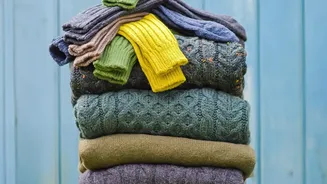
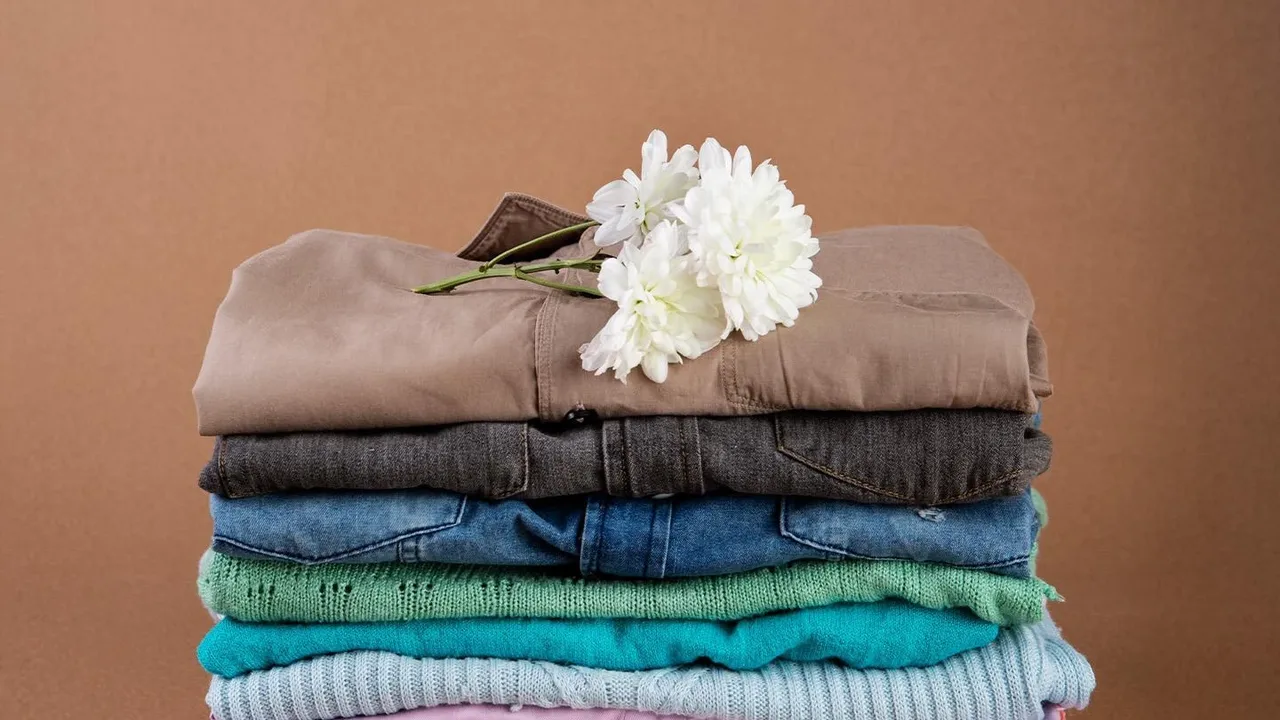
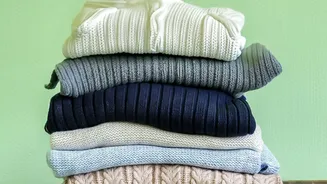
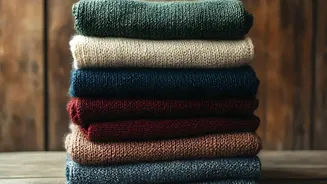
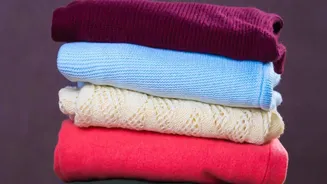
Proper storage preserves the shape and integrity of your knitwear. The cardinal rule is to always fold, never hang. Hanging causes the shoulders to stretch and the entire garment to sag. Store your clean, completely dry sweaters flat in a drawer or on a shelf. For long-term seasonal storage, use breathable cotton bags or cedar boxes, which protect against moths and allow air to circulate. Avoid sealing knits in plastic containers unless you are certain they are perfectly dry, as this can trap moisture and lead to mildew.