

The New Face of Healthy Snacking
For years, the term 'protein snack' in India conjured images of dense, often unfamiliar-tasting whey protein bars or imported packets of seeds. Today, that picture is changing dramatically. Walk down a supermarket aisle and you are just as likely to find
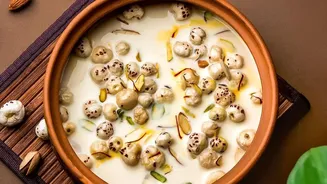
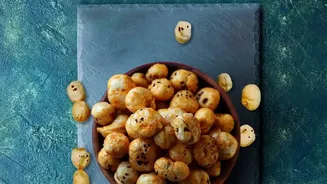
roasted makhana (fox nuts), sattu (roasted gram flour) puffs, and spiced chana (chickpeas). This isn't just about new products; it's a fundamental shift in consumer mindset. Indians are looking for health benefits without sacrificing the tastes they grew up with. A recent healthy snacking report confirmed this, showing that a staggering 86% of Indian consumers now consider protein an important factor when choosing a snack. The market for roasted snacks is booming, projected to grow significantly as consumers move away from fried options toward healthier alternatives that still deliver on crunch and flavour.
The Irresistible Pull of Familiar Flavours
A key driver of this trend is the appeal of 'ghar jaisa' or home-like taste. While a quinoa bar might be healthy, it doesn't offer the same comfort as a handful of masala-roasted peanuts or pudina-flavoured makhana. Brands have realised that the Indian palate craves its own flavour profiles. As a result, shelves are now filled with snacks seasoned with chaat masala, achari (pickle) spices, peri-peri, and classic nimbu masala. This fusion of health and heritage allows consumers to indulge their cravings without feeling like they are compromising on their cultural or culinary identity. It's about making healthy eating feel less like a punishment and more like a delicious, familiar choice. The success of these products shows that for a snack to truly win in India, it must speak a language of flavour that consumers instantly recognise and love.
Health Meets Heritage: The Power of Local Superfoods
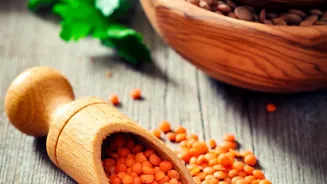
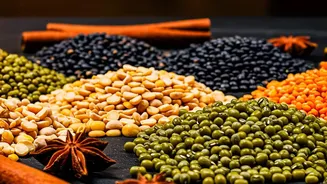
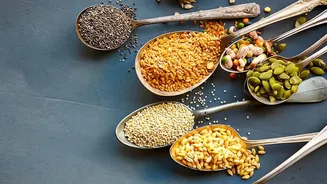
This trend is also about reclaiming and celebrating India’s own superfoods. Ingredients like makhana, various millets (ragi, jowar), and pulses like chickpeas and lentils are being rediscovered for their powerful nutritional profiles. Makhana, for instance, has transitioned from a traditional fasting food to a mainstream superstar snack, rich in protein and low in calories. Similarly, sattu, long known in regions like Bihar as a source of strength and protein, is now finding its way into convenient, ready-to-eat snacks. Startups and established brands alike are building their entire product lines around these indigenous ingredients, marketing them as clean-label, plant-based protein sources that have been part of Indian kitchens for centuries. This move aligns with a growing consumer demand for ingredient transparency and foods they can trust.
The 'Vocal for Local' Effect on Our Plates
The shift towards local ingredients is not happening in a vacuum. It is supported by a wider cultural and economic push for self-reliance and the promotion of 'Made in India' products. Consumers are increasingly making intentional choices, seeking out brands that are transparent about their sourcing and ingredients. This has created a fertile ground for a new generation of food startups that are deeply in tune with the Indian consumer's desire for authenticity. These companies are not just selling snacks; they are selling a story of tradition, health, and national pride. The previous wave of protein products, often led by international brands, catered primarily to gym-goers and athletes. This new wave is far more democratic, appealing to families, working professionals, and anyone looking for a healthier, more flavourful snack to enjoy with their evening chai.
What's Next for the Indian Snack Market?
The future of protein snacking in India looks set to become even more regional and diverse. As consumers embrace this trend, we can expect to see more innovation centred around hyperlocal ingredients and forgotten recipes from different states. The success of roasted and baked snacks over their fried counterparts is likely to continue, with a strong focus on clean labels and natural sweeteners like jaggery and dates. The market is moving beyond one-size-fits-all solutions, recognising that India's snacking preferences are as diverse as its population. This is not just a passing fad but an evolution, reflecting a deeper consumer desire for products that are both globally health-conscious and unapologetically Indian.