
The Red Planet’s Perfect Storm
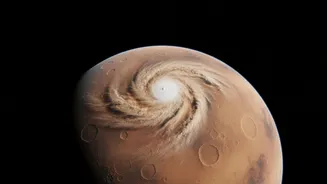
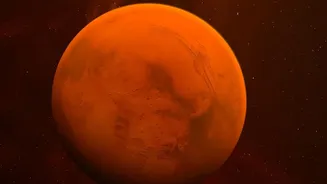
Imagine a dust storm so vast it covers an entire planet, blotting out the sun for weeks. This isn't science fiction; it's a regular, if unpredictable, feature of the Martian climate. These global dust events pose the single greatest environmental threat
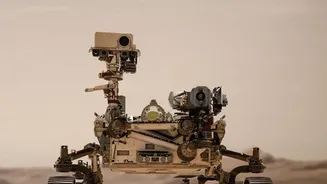
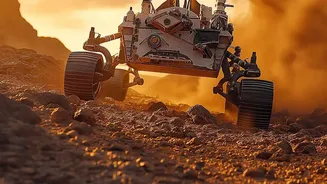
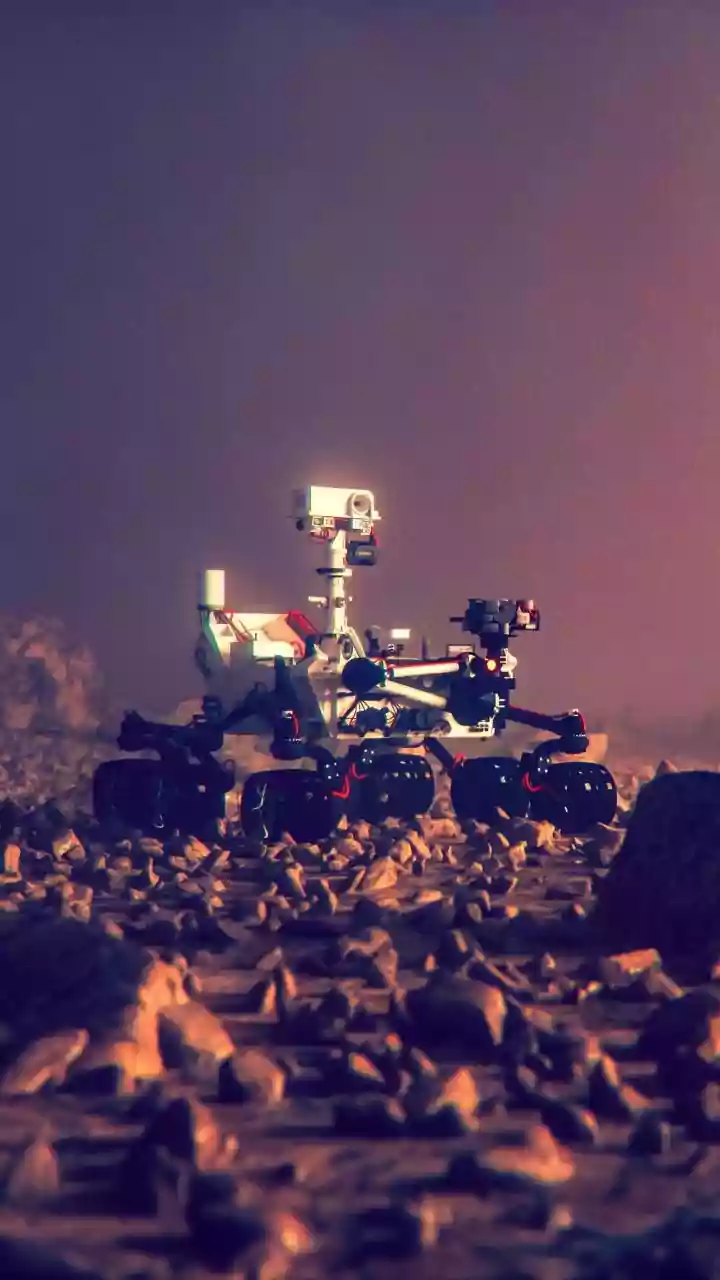
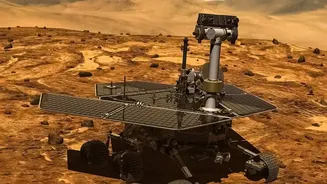
to robotic missions on Mars. The fine, electrostatic dust gets into everything, abrading surfaces and jamming mechanical parts. More critically, for solar-powered explorers like the Spirit, Opportunity, and InSight missions, the lack of sunlight is a death sentence. The 2018 global dust storm famously ended the historic 14-year mission of the Opportunity rover when it could no longer charge its batteries. The loss of these multi-billion rupee assets highlights a crucial challenge: to successfully explore Mars, we must first understand and survive its weather.
A Watchful Eye From Above
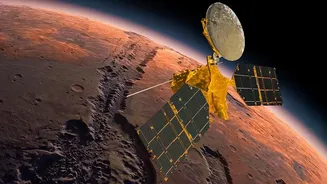
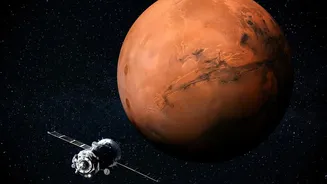
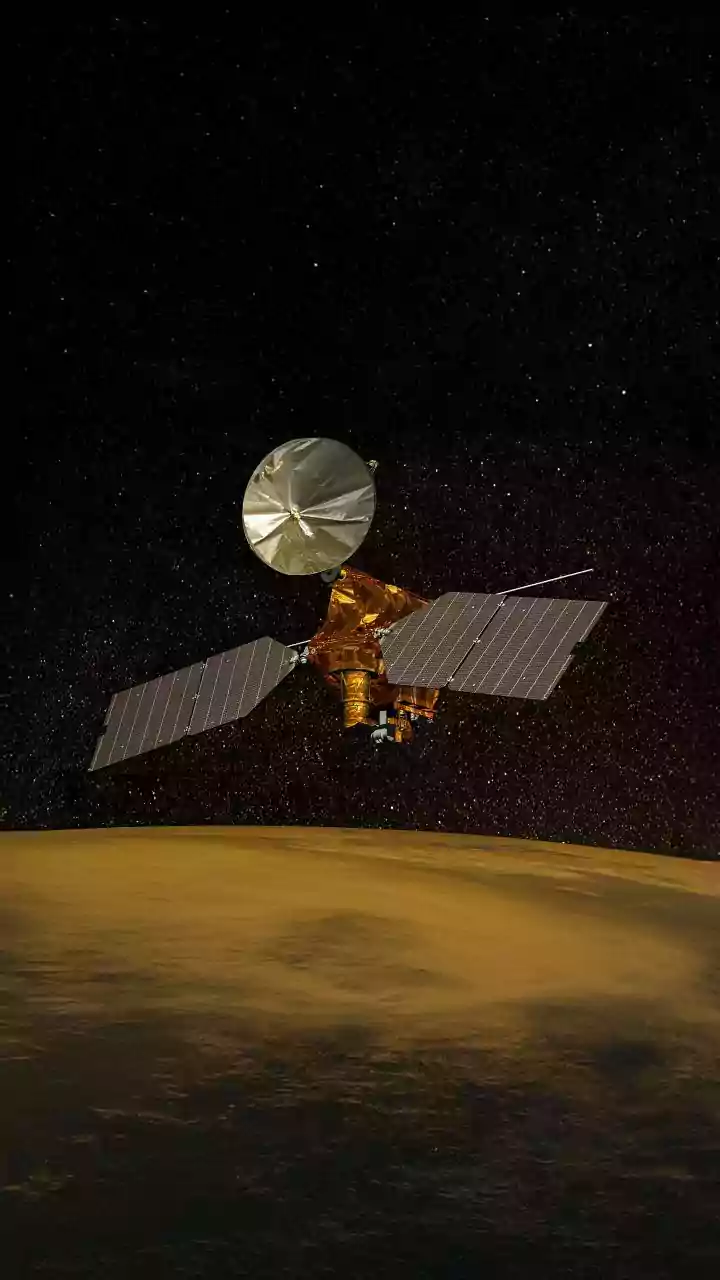
The key to understanding a planet-wide phenomenon is a planet-wide perspective. While landers and rovers provide invaluable ground truth, orbiters are the unsung heroes of Martian meteorology. Spacecraft like NASA's Mars Reconnaissance Orbiter (MRO) and ESA's Mars Express are our eyes in the sky. MRO, in particular, uses a suite of instruments, including the Mars Color Imager (MARCI) and the heat-sensing Mars Climate Sounder, to peer through the dusty haze and track storms as they develop. These orbiters function as an early warning system, allowing mission controllers on Earth to prepare landers for approaching storms. India's own Mars Orbiter Mission (MOM), or Mangalyaan, has also played a role, with its Mars Colour Camera capturing images of regional dust storms and contributing to our global understanding of the planet's dynamic atmosphere.
Cracking the Dust Code
Recent analysis of orbiter data has revealed a startling new piece of the puzzle: massive structures dubbed "dust towers." These are not like earthly thunderstorms. On Mars, vast columns of dust, sometimes as wide as a large state, are heated by the sun and rocket upwards at incredible speeds, punching 80 kilometres or more into the thin atmosphere. Scientists observed that these dust towers, which can be continuously renewed for weeks during a global storm, act like 'space elevators'. They don't just carry dust; they also loft water vapour into the upper atmosphere, where it can be lost to space, potentially helping to explain how ancient Mars lost its water. By identifying these towers as key mechanisms that can intensify a regional storm into a global one, scientists are moving from just observing the weather to truly understanding the physics that drive it.
Engineering for a Dusty Future
This new understanding is more than just academic. It has profound, practical implications for designing the next generation of Mars exploration technology. Knowing how and where dust storms initiate allows for the creation of more sophisticated predictive models—essentially, the first Martian weather forecasts. This could allow future missions, especially crewed ones, to take shelter or avoid the most dangerous weather fronts. For engineers, these insights inform the design of more resilient hardware. This includes developing solar panels with advanced dust-mitigating properties—perhaps coatings that repel the sticky dust or mechanical systems, like wipers, that can clear the panels without scratching them. It also influences the choice of landing sites and the timing of missions to avoid known storm seasons, directly protecting billions of dollars in investment and future scientific returns.
Protecting the Next Generation
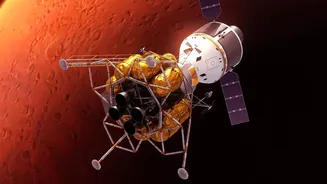
Ultimately, every insight gained from orbit helps de-risk the monumental challenge of sending humans to Mars. The danger to astronauts from dust storms is significant; fast-moving dust particles could pelt and damage equipment and spacesuits. Unlike rovers, humans cannot simply go into a low-power sleep mode for weeks on end. They will depend on reliable power and operational equipment to survive. The work being done by orbiters like MRO and the analysis of phenomena like dust towers provide the critical data needed to build the systems that will protect future human explorers. Understanding the enemy, in this case, the Martian environment itself, is the first and most important step in establishing a sustainable human presence on another world. This isn't just about protecting robots; it's about paving a safer path for humanity's next giant leap.