


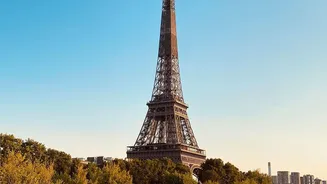
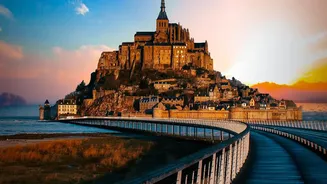
Dreaming of a French holiday often conjures images of the Eiffel Tower or the Riviera, but the reality can be long queues and high prices. Swapping iconic spots for lesser-known towns offers a richer, more affordable experience.
The Real Cost of the Icons
The allure of France's
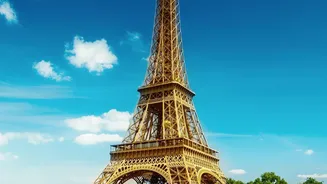
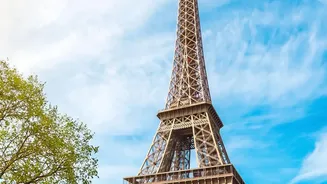
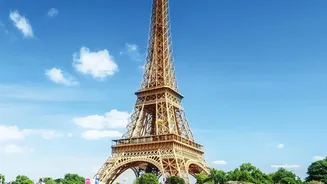
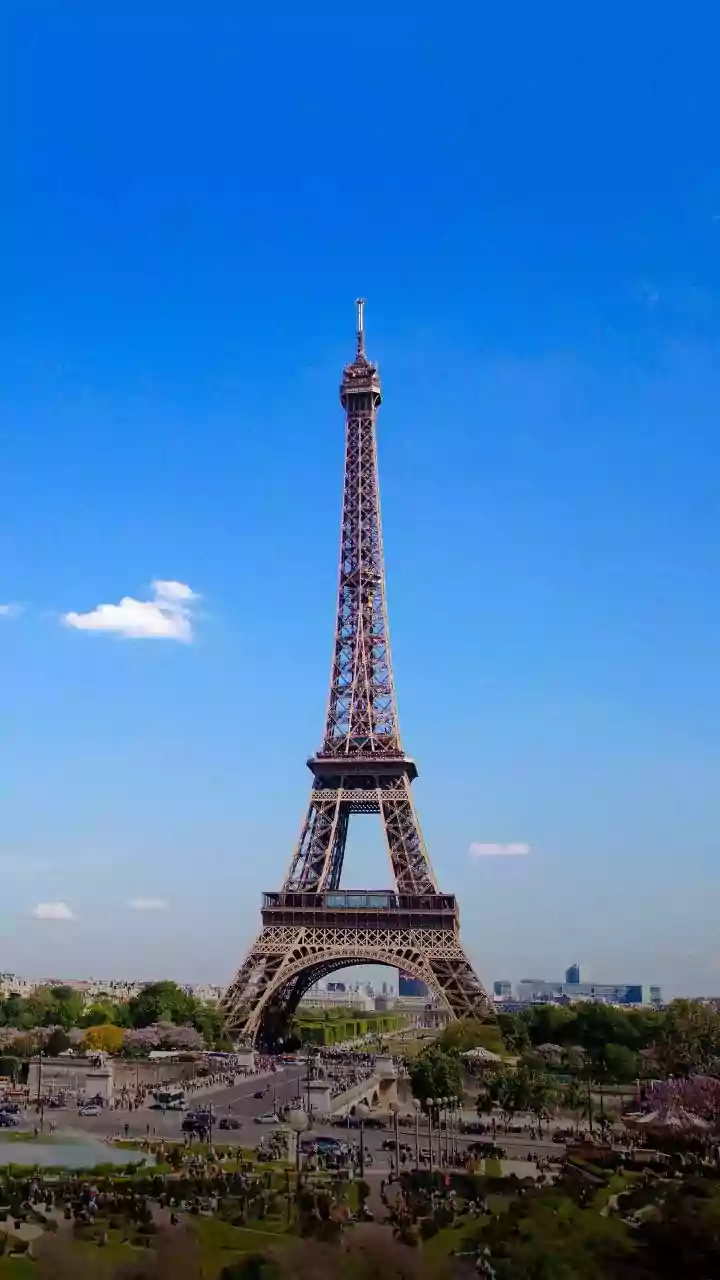
world-famous landmarks is undeniable, but it comes at a steep price. A trip to the summit of the Eiffel Tower can set you back over €36 per person, and a 'skip-the-line' ticket for the Louvre Museum can cost even more, with non-EU visitor prices rising. These costs add up quickly, especially for a family. Beyond ticket prices, there's the cost of time spent in queues, which can stretch for hours at popular sites like the Palace of Versailles or Mont Saint-Michel, even with reservation systems in place. Food and drink near these attractions are notoriously overpriced, and the sheer volume of visitors—80% of whom concentrate on just 20% of the country—can diminish the magic you came to experience. This phenomenon, known as overtourism, is prompting French authorities to introduce visitor caps and reservation systems to protect heritage sites and local quality of life.
The Value of 'France Profonde'
The alternative is to explore what the French call 'la France profonde'—deep France. This is the heartland of picturesque villages, rolling vineyards, and authentic local life, where your travel budget stretches significantly further. A daily mid-range budget in Paris might be €150–€250, but in a regional town, that can drop by 30-40%. Accommodation, often the largest expense, is markedly cheaper; a hotel in a city like Lyon or a town in Normandy can cost half of what a comparable room in central Paris does. The savings extend to dining, where a three-course 'plat du jour' (daily special) at a local bistro offers exceptional value, something harder to find near major tourist traps. This shift doesn't just benefit your wallet. It supports the economies of smaller communities, helping to preserve local shops, markets, and traditions that are often threatened when tourism becomes too concentrated in one area.
Alsace: A Fairytale Escape
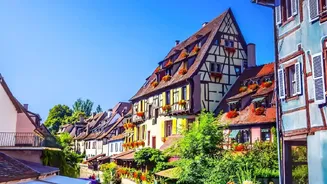
Instead of the crowds of Paris, consider the Alsace region near the German border. The city of Strasbourg offers the magnificent Notre Dame Cathedral and the charming 'Petite France' neighbourhood, which feels like a village within the city. Even more enchanting is Colmar, a town of winding cobblestone streets and colourful half-timbered houses that look as though they were pulled from a storybook. The region is famous for its Wine Route, which you can explore by car or bicycle, stopping in tiny, flower-decked villages like Eguisheim and Riquewihr. Here, you can enjoy world-class wines and a unique blend of French and German cultures without the overwhelming crowds.
Normandy: History and Coastal Charm
Normandy offers a different but equally compelling experience. While many visit for the historic D-Day beaches, which are free to access, the region is dotted with beautiful towns. Consider Rouen, the region's capital, with its stunning cathedral—famously painted by Monet—and medieval timber-framed houses. For a coastal retreat, the port town of Honfleur is an artists' haven, known for its picturesque harbour and slate-fronted houses. Further inland, the Pays d'Auge is a landscape of apple orchards and bucolic bliss, perfect for sampling local cider and cheese. This region offers a deep dive into French history, from William the Conqueror to World War II, set against a backdrop of dramatic cliffs and serene countryside.
Dordogne & The Loire Valley: Castles and Cuisine
If castles are on your list, the Loire Valley is famous for its grand châteaux like Chambord and Chenonceau. But for a less-crowded experience with just as much history, head to the Dordogne Valley. This region is a treasure trove of prehistoric caves, medieval fortresses perched on cliffs, and idyllic riverside towns like La Roque-Gageac and Domme. You can visit the market in Sarlat-la-Canéda, one of France's best-preserved medieval towns, or go wine tasting in Saint-Émilion, a UNESCO-listed village near Bordeaux. The food here is rustic and renowned, focusing on delicacies like walnuts, truffles, and foie gras, enjoyed in a far more relaxed and affordable setting than the capital.
Provence: Beyond the Riviera
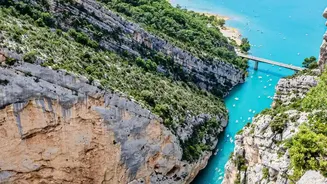
The French Riviera is legendary, but its popularity often means packed beaches and high prices. For a more tranquil Provençal experience, venture inland from the coast. Explore cities like Aix-en-Provence, with its elegant fountains and markets, or Avignon, dominated by the magnificent Palace of the Popes. The Luberon region is home to hilltop villages like Gordes and Roussillon, famous for its ochre cliffs. Here, you can experience the lavender fields, Roman ruins, and sun-drenched landscapes that inspired artists like Van Gogh and Cézanne, all while enjoying the slower pace and better value of rural Provence.