





A World of Recipes at Your Fingertips
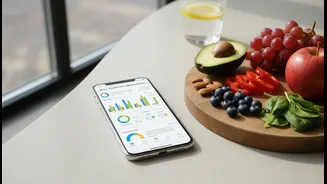
The most immediate impact of internet access on Indian diets is the explosion of information. With smartphones in hand, people are no longer limited to generational recipes. Platforms like YouTube and Instagram have become virtual culinary schools, introducing
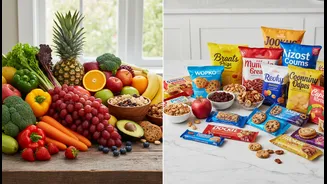
a plethora of regional and global cuisines. This exposure can be a powerful driver for dietary diversity, encouraging families to experiment with new ingredients and cooking methods. Food bloggers and influencers play a significant role in reviving interest in traditional and regional Indian dishes, showcasing a rich culinary heritage that might have been fading. This digital renaissance helps people rediscover the vastness of India's food landscape, potentially leading to more varied and nutrient-rich diets. Studies have shown that internet use is positively correlated with improved dietary diversity, partly because it boosts nutrition literacy and access to information.
The E-commerce Revolution in the Kitchen
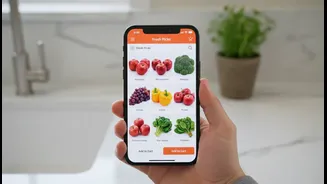
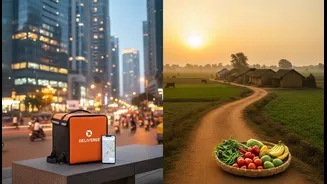
Online food delivery and grocery apps have fundamentally altered household spending patterns. The convenience of ordering meals is undeniable, especially in fast-paced urban lives. This has led to a significant portion of household food budgets shifting from traditional home cooking and grocery shopping to online platforms. While these apps offer discounts and variety, they also introduce new costs like delivery, packaging, and platform fees, which can lead to increased overall expenditure. Studies suggest that while convenience is a major draw, it can foster impulsive spending and a higher monthly food bill. It's a double-edged sword: users gain access to an unprecedented variety of foods, but this convenience comes at a cost that can strain household budgets if not managed carefully.
The Persistent Shadow of the Digital Divide
The benefits of the digital food revolution are not shared equally. Significant disparities in internet access—known as the digital divide—mean that rural, low-income, and marginalized communities are often left behind. According to an Oxfam India report, there are vast gaps in digital access based on gender, caste, and region. In 2021, only 31% of women had mobile phones compared to 61% of men. This inequality restricts access to essential information, including health and nutrition. Government initiatives like the Poshan Tracker app, designed to combat malnutrition, face hurdles due to the limited digital literacy of frontline health workers, particularly in rural areas. Without reliable internet and the skills to navigate the digital world, a large portion of the population cannot leverage these new tools for better nutrition or smarter spending.
Beyond Access: The Need for Digital Literacy
Simply providing internet access is not a cure-all. The ability to find, evaluate, and use online information—digital health literacy—is critical. The internet is rife with misinformation, from unregulated health advice to the promotion of unhealthy foods. Without the skills to discern credible sources from myths, people can be led toward poor dietary choices. Therefore, the conversation must shift from mere connectivity to building capability. This involves structured training programs, creating content in regional languages to overcome language barriers, and designing user-friendly interfaces. True empowerment comes not just from being online, but from knowing how to use online resources safely and effectively to make informed decisions about health and nutrition.