


Understanding HPP Technology
First, let's break down the technology. High-Pressure Processing is a food preservation method that uses immense pressure, equivalent to the bottom of the ocean, to inactivate harmful pathogens like Salmonella and E. coli. Unlike traditional pasteurisation,
HPP does this without high heat. This is its main selling point, as heat can degrade sensitive vitamins and alter flavour. By avoiding heat, HPP aims to preserve the juice's fresh taste and nutritional profile while extending its shelf life, making it a safer option than raw, untreated juice.
The Vitamin and Antioxidant Question
When it comes to vitamins, HPP performs remarkably well, especially compared to heat-based methods. Studies show that HPP retains a very high percentage of heat-sensitive vitamins like Vitamin C, often over 90%, immediately after processing. However, it's not a perfect preservation. Some nutrient loss, although minor, can still occur depending on the fruit, pressure levels, and storage time. Freshly picked and eaten fruit, by contrast, delivers its full payload of vitamins and antioxidants without any processing loss. While HPP juice on day one is nutritionally potent, the whole fruit you eat in the moment is the undisputed winner for maximum nutrient intake.
The Crucial Role of Fibre
Here is where whole fruits have a massive advantage. The process of juicing, whether cold-pressed or not, removes the vast majority of dietary fibre found in the fruit's pulp and skin. This fibre is essential for good health. It aids digestion, promotes feelings of fullness (satiety), and plays a vital role in regulating blood sugar. When you eat a whole apple, the fibre slows down the absorption of the fruit's natural sugars, preventing a rapid spike in blood glucose. This slow release provides sustained energy. Without this fibrous buffer, the sugar in juice is absorbed much more quickly by the body.
The Sugar Spike Effect
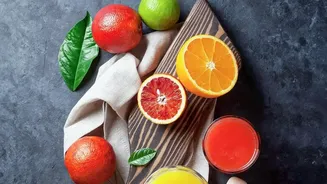
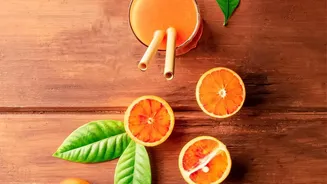
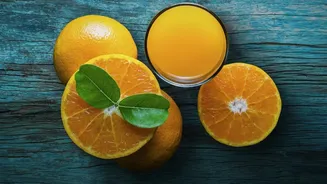
Because fruit juice lacks fibre, the body absorbs its sugar much faster than it would from whole fruit. This can lead to a sharp increase in blood sugar and a subsequent insulin spike. Over time, frequent consumption of high-sugar juices could contribute to metabolic issues. A single glass of juice often contains the sugar of several pieces of fruit, making it easy to consume a large amount of sugar in a very short time without the accompanying feeling of fullness that whole fruit provides. Eating two whole oranges is a very different metabolic experience than drinking the juice of four oranges in a minute.
Convenience, Cost, and Conclusion
There's no denying the convenience of grabbing a bottle of juice. For busy individuals, it can be a practical way to get a dose of vitamins they might otherwise miss. However, this convenience comes at a nutritional cost—primarily the loss of fibre—and a financial one, as HPP juices are significantly more expensive than their whole fruit counterparts. So, what's the verdict? For daily nutrition, whole fruits are the superior choice. They offer a complete package of vitamins, minerals, antioxidants, and essential fibre that regulates sugar absorption and keeps you feeling full. HPP cold-pressed juice can be a useful, high-quality supplement when you're short on time, but it should not be seen as a replacement for the simple, powerful benefits of eating fresh, whole fruits.