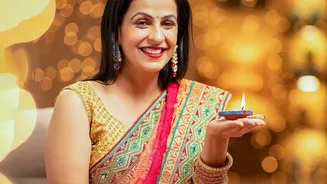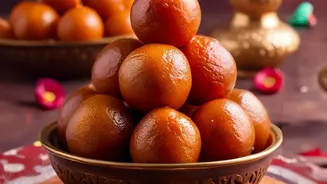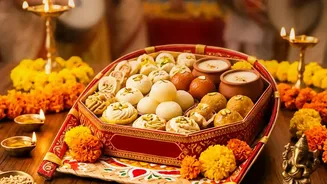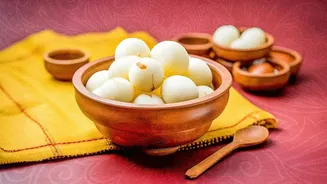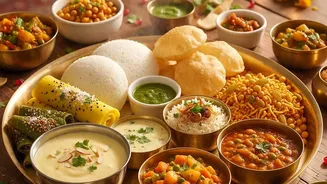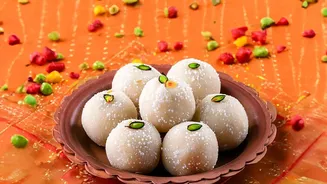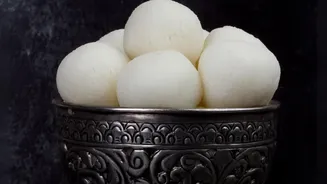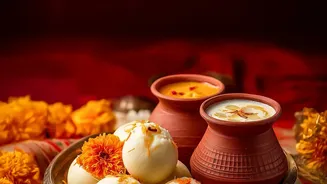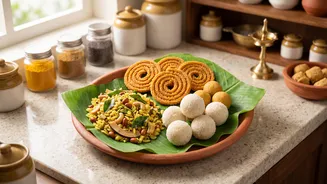




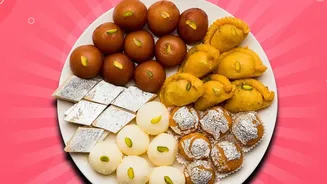
The aroma of freshly made chakli, shankarpali, and ladoos is the essence of Diwali. What was once a cherished family tradition is now a booming business, as home cooks across India turn treasured Faral recipes into commercial enterprises.
From Kitchen Tradition to Commercial Trend
For generations,
the preparation of 'Faral'—a plethora of savoury and sweet snacks—has been an integral part of Diwali celebrations in many Indian households. Families would gather to make everything from the crispy, spiral-shaped chakli to sweet, flaky karanjis. This was a labour of love, meant for sharing with friends and neighbours. Today, this very tradition is undergoing a remarkable transformation. A growing number of home chefs, predominantly women, are taking these age-old family recipes beyond their own homes and into the open market, finding significant commercial success. This shift is fuelled by a modern-day demand for authentic, homemade-quality food without the associated time and effort.
The Appetite for Authenticity
In an era of mass-produced snacks, consumers are increasingly seeking out foods that offer a taste of home. The commercialised Faral market taps directly into this nostalgia. Customers are willing to pay a premium for snacks that are hygienic, free of preservatives, and made with the same care and ingredients they remember from their childhood. Entrepreneurs like Geeta Patil of 'Patil Kaki' fame, who started selling Maharashtrian snacks to support her family and built a business with a turnover of over ₹1 crore, exemplify this trend. Her success, and that of many others, is built on the promise of 'Maa-ke-haath ka khana' (food made by a mother's hands), a powerful selling proposition that factory-made products cannot replicate.
Empowerment Through Entrepreneurship
This culinary trend is also a powerful story of women's empowerment. For many women, their deep-rooted culinary skills were previously confined to the domestic sphere. Now, they are leveraging this knowledge to achieve financial independence. Platforms like FarmDidi and Taste of Mom have created ecosystems that connect rural women and home-based cooks with a nationwide customer base, ensuring they get a fair price for their products while preserving culinary heritage. These ventures provide training, handle logistics, and ensure quality control, allowing the women to focus on what they do best: cooking. By turning their passion into a profession, these entrepreneurs are not just earning a livelihood but also gaining confidence and a new identity.
The Digital Dabba-wallah
Technology has been a key ingredient in this success story. Social media platforms like Instagram and WhatsApp have become virtual shopfronts, allowing home chefs to showcase their products, build a brand, and connect directly with customers with minimal investment. Simple photographs of a fresh batch of chivda or a box of besan ladoos can generate a flurry of orders. Furthermore, the rise of app-based delivery services has solved the crucial last-mile logistics challenge. Whether in Pune, Mumbai, or Delhi, a customer can now easily order a curated box of assorted Faral from a home chef and have it delivered to their doorstep, often within a day or two. This digital ecosystem has effectively created a modern-day 'dabba-wallah' network for traditional festive snacks.