




The Social Media Sabha
The velvet-roped auditoriums of the past are no longer the only stage for a raga. Today's sabha is often a smartphone screen. Platforms like Instagram, YouTube, and TikTok have become powerful tools for musicians to connect with global audiences, demolishing
old gatekeepers. Recent data from Spotify highlights this digital renaissance, showing a nearly 500% increase in Indian classical music listening over the past two years, with over 45% of that audience under the age of 25. Short-form content like Instagram Reels, featuring Carnatic vocals over lo-fi beats or a tabla solo fused with a trending track, makes the genre accessible in bite-sized, shareable clips. This digital exposure provides a direct line to listeners, allowing artists to build a following and gain industry credibility without traditional record deals.
Fusion as a Global Gateway
For many young listeners, the gateway to the intricate world of Hindustani or Carnatic music is through fusion. Artists are boldly blending traditional ragas with genres like jazz, electronic, hip-hop, and even rock. This isn't about dilution; it's a re-contextualization. Bands like Advaita and Indian Ocean have pioneered a sound that pairs the sarangi and tabla with electric guitars and ambient textures. Meanwhile, a new generation of genre-fluid artists like Shreea Kaul and Gayathri Krishnan are integrating Carnatic training into modern R&B and pop. These collaborations create a sound that feels both rooted and contemporary, appealing to a generation that navigates multiple cultural soundscapes with ease.
The New Generation of Performers
At the heart of this movement is a cohort of young, globally-connected musicians who are as tech-savvy as they are talented. Artists like sitarist Rishabh Rikhiram Sharma and tabla player Ishaan Ghosh are not just performers but also digital creators. Ghosh's band 'Araj', composed entirely of Gen Z musicians, blends traditional forms with Afro-jazz, performing everywhere from Brussels to Bengaluru. These artists use their platforms to demystify the art form, offering tutorials, behind-the-scenes content, and live sessions that foster a more intimate connection with their audience. They are redefining what it means to be a classical musician, proving that tradition and innovation can coexist powerfully.
Redefining the Concert Experience
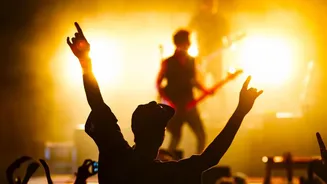
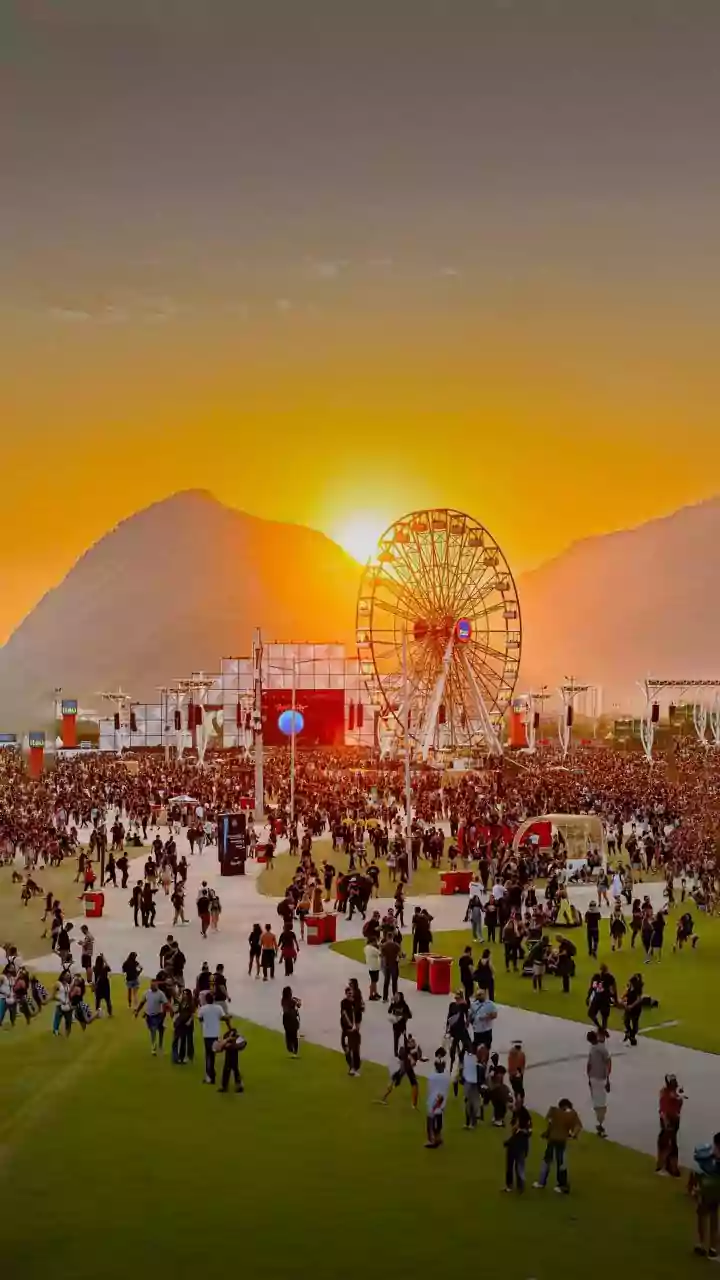
The formality of classical concerts, once a potential barrier for new audiences, is also evolving. While the prestigious Margazhi season still thrives, the music is finding new homes in more relaxed and accessible venues. House concerts, music festivals, and university events are becoming common platforms for classical and fusion performances. This shift away from exclusively formal auditoriums to more casual settings helps create a different energy, making the music feel less like a lecture and more like a shared cultural experience. The result is a noticeable drop in the average age of listeners, with concerts seeing a strong presence of students and young professionals.