





Understanding Single-Origin Coffee
First, what makes a coffee 'single-origin'? Unlike blends, which combine beans from multiple places to achieve a consistent taste, single-origin coffee comes from one specific geographic location. This could be a single country, a distinct region, or even
a lone farm. This specificity is its superpower. The flavour of the beans tells a story about the soil, climate, and altitude of that one place—a concept known as 'terroir'. Presenting single-origin coffee shows you appreciate craftsmanship and uniqueness, setting a sophisticated tone for your meeting.
Designing the Perfect Flight
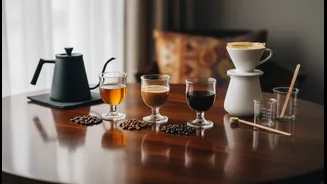
A coffee 'flight' is a curated selection of three to five small coffee servings, presented for tasting. The goal is to showcase variety and spark discussion. The most effective strategy for a client tasting is to choose three coffees from different major growing regions to highlight their contrasting profiles. Consider a flight that includes one coffee from Latin America, one from Africa, and one from Asia. For example, a classic lineup could be a Colombian (known for balanced sweetness), an Ethiopian (bright and fruity/floral), and a Sumatran (earthy and full-bodied). This provides a clear journey across the world of coffee.
Decoding Tasting Notes
The descriptions on coffee bags can seem intimidating, but they are your guide to crafting a great experience. Key terms to understand are 'acidity', 'body', and 'flavor notes'. Acidity doesn't mean sour; it refers to the bright, tangy quality, much like you'd find in fruit. Body describes the weight and texture of the coffee in your mouth—is it light and tea-like or heavy and syrupy? The flavor notes (e.g., 'chocolate', 'blueberry', 'nutty') are not added flavorings but the natural characteristics of the bean. When selecting, aim for a variety of these characteristics to make the tasting more dynamic and educational.
Presentation and Palate
How you serve the flight is as important as the coffee itself. Use small glass cups or mugs to show the colour of the brew. Arrange them on a platter or board, clearly labelling each origin. Small cards with the coffee’s origin, key tasting notes, and processing method add a professional touch and a great conversation starter. Always provide a small glass of water for each guest to cleanse their palate between tastings. For food pairings, keep it simple. Plain crackers or a simple butter cookie won't overpower the coffee's delicate flavors. If you want something more substantial, dark chocolate pairs well with most coffees, while light pastries can complement fruitier brews.
Leading the Tasting Experience
Your role is to be a gentle guide, not a lecturer. Encourage your clients to smell the coffee before they taste it, as aroma is a huge component of flavour. Guide the tasting by asking simple questions: "What do you smell?" or "Does this one feel heavier or lighter than the last?" You can introduce the proper technique—a confident 'slurp' that sprays the coffee across the palate—as a fun way to break the ice and taste more subtleties. The goal is to facilitate a shared discovery. Discuss what makes each coffee different and which ones are personal favourites. This transforms a simple coffee meeting into a multi-sensory, engaging event.