




1. The Native Plant Buffet
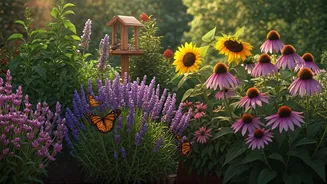
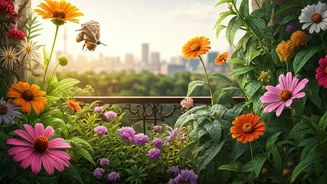
The single most important element of any wildlife-friendly space is the food source. For birds and bees, this means flowers and plants—specifically, native ones they recognise. While exotic flowers might look beautiful, local pollinators and birds are
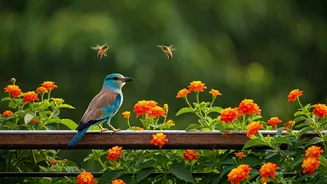
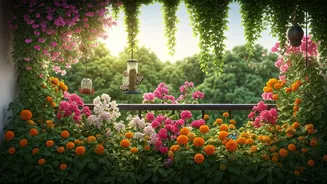
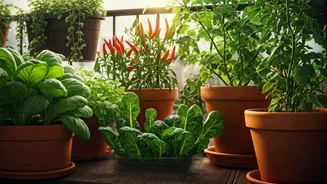
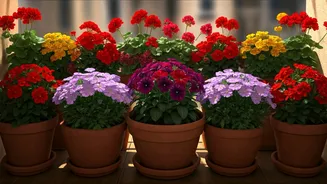
adapted to local flora. Planting a diverse mix of native flowering plants creates a year-round buffet. For bees, butterflies, and sunbirds, consider nectar-rich flowers like marigolds (genda), cosmos, zinnias, and hibiscus. For seed-eating birds like sparrows, plants like sunflowers provide a fantastic treat. Choosing plants that flower in different seasons ensures your balcony is a reliable food source all year long. This consistency is what turns a casual visitor into a regular.
2. A Reliable Watering Hole
Water is as crucial as food, especially during India’s hot, dry summers. Birds need water for drinking and bathing to keep their feathers in top condition. Bees and other insects also need water to drink and to help regulate the temperature of their hives. You don’t need a grand fountain. A simple, shallow earthenware or terracotta dish (a ‘matka’ lid works perfectly) is ideal. The shallow depth prevents smaller birds from drowning, and the porous material of terracotta provides grip. Keep the water clean by changing it daily to prevent mosquito breeding and to ensure your visitors always have a fresh supply. Placing a few small stones or pebbles inside gives insects a safe place to land and drink without falling in.
3. Creating Shelter and Safety
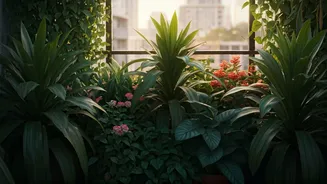
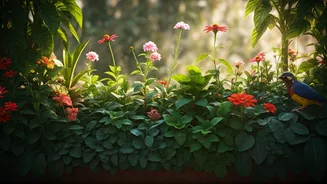
A good sanctuary isn't just a restaurant; it's also a safe house. Urban birds and insects are constantly exposed to predators and harsh weather. Your balcony can offer them a much-needed break. Create shelter by arranging plants in clusters. Denser foliage from shrubs or climbers like the Bengal clock vine (nilmoni lota) or bougainvillea can provide cover from predators and the scorching sun. Avoid a neat, overly manicured look; a little bit of ‘wildness’ provides nooks and crannies for birds to hide and rest. These safe spots encourage them to linger longer, observe their surroundings, and feel secure enough to visit your water and food sources.
4. The Art of Vertical Layering
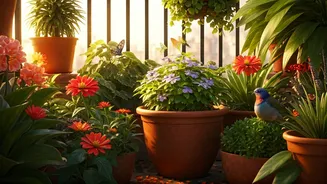
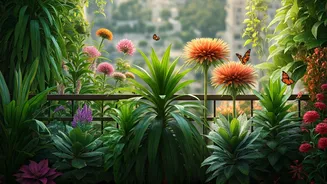
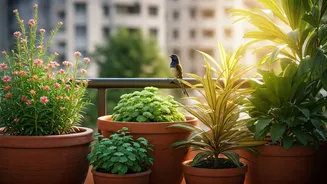
Most urban balconies have limited floor space, but plenty of vertical potential. A successful sanctuary layout uses this height to its advantage. Layering your plants creates a more complex and inviting environment. Use a mix of tall plants in large pots, hanging baskets with trailing flowers like petunias, and climbers on a trellis. This mimics a natural habitat with different levels. Taller plants provide perches for birds like bulbuls and mynas, while lower, bushier plants offer shelter for smaller birds and insects. This multi-level design not only maximises your growing space but also caters to the different needs and habits of various species, making your balcony attractive to a wider range of wildlife.
5. Go Chemical-Free
This is non-negotiable for a true sanctuary. Pesticides and chemical fertilisers are incredibly harmful to bees, butterflies, and birds. A single spray can wipe out the very creatures you’re trying to attract. Embrace organic gardening methods. Use compost and natural fertilisers like vermicompost to enrich your soil. If you have pest problems, look for natural solutions like a neem oil spray or simply introduce plants that attract beneficial insects like ladybugs, which prey on aphids. By creating a chemical-free zone, you’re signalling to wildlife that your balcony is a safe place to feed, drink, and rest without risk of being poisoned.
6. Provide Nesting Materials
If you want to take your sanctuary to the next level, consider helping birds with their home-building. Many urban birds struggle to find natural materials for their nests. You can help by leaving out small piles of natural fibres like cotton, coir (coconut fibre), or even pet fur in a dry spot. Small twigs and dry leaves from your own plants can also be left in a corner for them to forage. While they may not nest directly on your balcony unless it's very secluded, providing these materials helps the local bird population thrive, ensuring future generations continue to visit your little urban oasis.