





From Viral Hits to Lasting Habits
Remember the Dalgona coffee craze? Or the brief, bewildering era of cloud bread? These trends were perfect for a world stuck indoors, seeking novelty and a quick social media win. They were fun, visual, and highly shareable, but they often lacked substance,
flavour, and longevity. That era of disposable food fads appears to be waning. In its place, we're seeing a collective pivot towards 'smarter' consumption. Instead of asking, “What does this look like online?” the modern Indian consumer is asking, “Where does this come from? How is it made? And is it actually good for my body and the planet?” This shift marks a maturation in our collective food consciousness, moving beyond momentary thrills to embrace a more intentional and informed way of eating.
The 'Slow' Food Revival
One of the biggest indicators of this new direction is the revival of 'slow' food practices. This isn't just about cooking things for longer; it’s a philosophy. It champions techniques that require patience but yield incredible depth of flavour and nutritional benefits. Think of the rising popularity of sourdough baking, home-brewed kombucha, and the art of fermentation. Across India, there’s a renewed interest in making our own pickles, papads, and preserves—skills that were once standard in our grandmothers’ kitchens. This trend is a direct rebellion against the hyper-convenience culture that dominated for decades. It reflects a desire to reconnect with the process of making food, understanding the transformation of ingredients, and savouring something that can’t be rushed. It’s about valuing craftsmanship over speed.
The Rise of the 'Smart' Eater
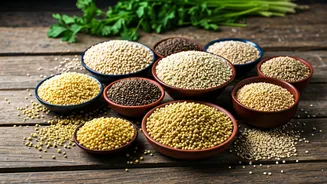
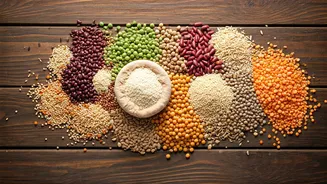
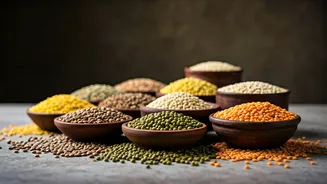
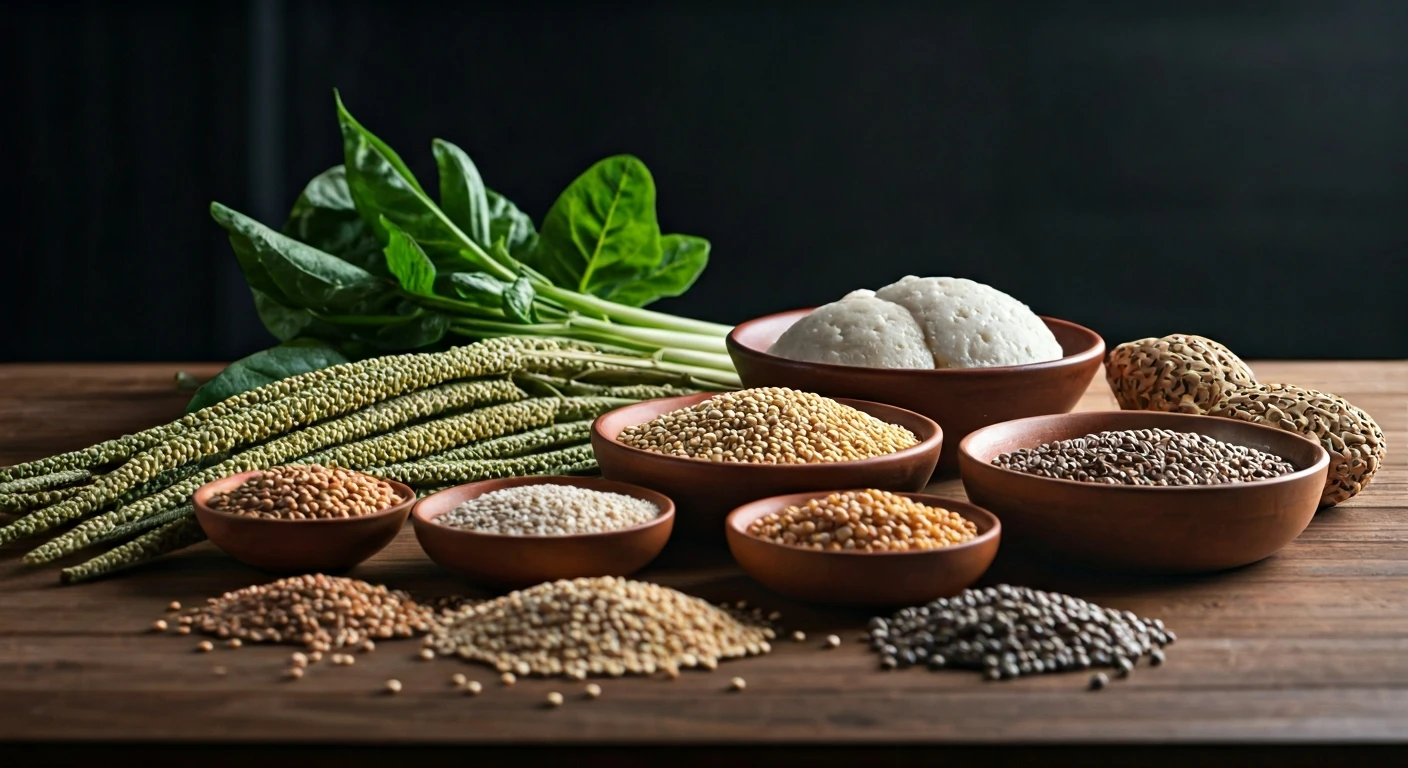
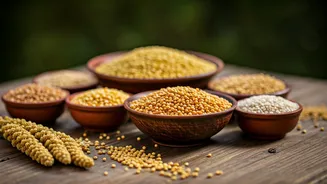
Alongside 'slow' comes 'smart'. Consumers are becoming more educated and discerning than ever. This intelligence manifests in several ways. Firstly, there’s a huge focus on nutrition that goes beyond simple calorie counting. Gut health is now a mainstream concern, fuelling interest in probiotics, prebiotics, and fibre-rich foods. Secondly, there’s a powerful movement towards celebrating indigenous ingredients. With 2023 celebrated as the International Year of Millets, ancient grains like jowar, bajra, and ragi are finally getting their due, moving from 'humble' foods to 'superfoods' on urban menus. This smart approach also includes a sharp focus on sustainability. People want to know about the carbon footprint of their food, support local farmers, and minimise food waste. It’s a holistic view of eating where health, environment, and community are all part of the equation.
Conscious Choices and Kitchen Economics
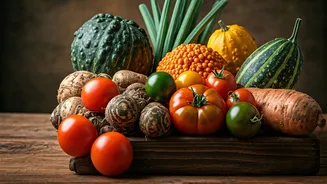
This shift isn’t just driven by idealism; it’s also shaped by practical economics. As food prices fluctuate, households are becoming more mindful of their budgets. This naturally leads to smarter consumption patterns that align perfectly with the slow food movement. For example, buying local and seasonal produce is often more affordable than purchasing imported, out-of-season items. The focus on reducing food waste—using vegetable scraps to make stock, or turning overripe fruit into jam—is both an environmental and a financial win. This economic mindfulness encourages a 'root-to-shoot' or 'nose-to-tail' approach to cooking, ensuring every part of an ingredient is used. In this context, being a 'smart' consumer isn’t a luxury; it’s a practical strategy for eating well without overspending.
Technology with a Purpose
Interestingly, technology isn't the enemy in this new, slower landscape. Instead of fuelling fleeting trends, it’s being repurposed to support smarter choices. We're seeing the rise of apps that help consumers track their nutrition, identify local farm-to-table suppliers, or share surplus food to combat waste within their communities. QR codes on packaging can now offer full transparency on a product's journey from farm to shelf. AI-powered meal planners can help families create balanced, low-waste menus for the week. In this new paradigm, technology serves not as a tool for distraction, but as a utility for making more informed, conscious, and sustainable decisions about the food we eat.