


The Myth of 'Cook Time'
The most crucial thing to understand is that “cook time” and “total time” are two very different things. When a recipe states a cook time of 20 minutes, it typically refers only to the duration the food is actively being heated—in the oven, on the stove,
or on the grill. It deliberately ignores the myriad of other tasks that consume your time. This includes oven preheating, which can take 10 to 20 minutes alone. It also excludes finding your ingredients, washing and chopping vegetables, measuring spices, and gathering all the necessary pots, pans, and utensils. What seems like a quick meal is actually a project with many unlisted steps, each adding minutes to your total commitment.
The Unseen Time Sinks
So, where does all the time go? The primary culprits are preparation and disorganization. A recipe might list “one cup of chopped onion,” but it doesn’t factor in the time it takes you to peel it, chop it, and wipe away the tears. Frantically searching for the cumin at the back of a cluttered cupboard while your garlic is browning in the pan is another classic time-waster. Other hidden delays include waiting for water to boil, bringing ingredients to room temperature, or discovering mid-recipe that you need a specific tool you have to dig out. Even the state of your equipment matters; a dull knife will slow down your chopping, and a worn-out pan can distribute heat unevenly, extending cooking times.
Embrace Mise en Place
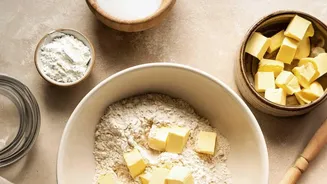
The single most effective strategy used by professional chefs to manage time is called mise en place—a French term meaning “everything in its place.” This philosophy involves preparing and organizing all your ingredients before you start cooking. Before the stove is even turned on, you wash, chop, measure, and portion everything, placing each component in small bowls. It might feel like an extra step, but this upfront investment pays huge dividends. It transforms the cooking process from a chaotic scramble into a calm, linear execution. With your mise en place ready, you can focus entirely on the technique and timing of cooking, rather than multitasking under pressure.
Read the Recipe, Then Read It Again
A common and costly mistake is starting a recipe without reading it through to the end. That’s how you get halfway through and discover a surprise instruction like “marinate for four hours” or “chill overnight.” Reading the entire recipe beforehand, ideally twice, is non-negotiable for kitchen efficiency. The first read-through gives you a general sense of the workflow. The second allows you to mentally walk through the steps, identify any potential hurdles, and ensure you have every ingredient and piece of equipment required. This simple habit prevents last-minute panics and wasted effort, ensuring your cooking process is smooth and predictable.
An Organized Kitchen is a Fast Kitchen
Your kitchen’s layout and organization directly impact your speed. If you have to run from one end to the other to grab a pot, spices, and oil, you’re losing valuable time. Grouping items by task can be a game-changer. Keep cooking oils, common spices, and utensils near the stove. Store baking supplies together in one cupboard. Ensure your most frequently used tools are easily accessible, not buried at the back of a drawer. A tidy, logically arranged kitchen means less time searching and more time cooking. Even simple acts like keeping your countertops clear can improve your workflow and reduce stress.