








What the Science Says About Sticking to It
For years, the debate has raged: which diet is truly the best for losing weight? High-fat, low-carb, high-protein, plant-based—each has its champions. However, a growing body of research points to a simpler, more powerful truth: the best diet is the one
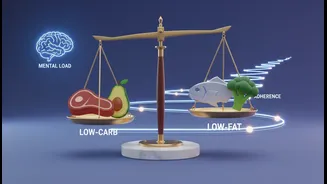
you can actually stick with. A landmark study published in the Journal of the American Medical Association (JAMA) compared several popular branded diets, including Atkins, Zone, Ornish, and Weight Watchers. After one year, researchers found no significant difference in weight loss among the diets. The single biggest predictor of success was adherence. Put simply, people who consistently followed their chosen plan, regardless of which one it was, lost more weight. This finding has been echoed in multiple subsequent analyses. A large meta-analysis looked at 48 different randomized trials and concluded that while low-carb and low-fat diets resulted in the most weight loss at six months, the differences between various named diets were small. The crucial factor wasn't the macronutrient breakdown but the ability to maintain the eating pattern over time.
Why Consistency Is King for Your Body
The power of consistency isn't just psychological; it's physiological. When you frequently switch between extreme diets—a common practice known as 'yo-yo dieting'—you can send your metabolism into a state of confusion. Rapid weight loss from fad diets often includes a loss of water and muscle mass, not just fat. When the diet inevitably ends, the regained weight is often primarily fat, which can harm your body composition over time. Committing to a single, balanced approach allows your body to adapt. Stable blood sugar levels, improved digestion, and better energy are all byproducts of a consistent eating pattern. This stability prevents the intense cravings and feelings of deprivation that often lead to binge-eating and quitting a diet altogether. Furthermore, building habits is a key part of long-term success. When a healthy way of eating becomes second nature, it requires less willpower and mental energy, making it far more sustainable.
Moving From a 'Diet' to a 'Lifestyle'
The word 'diet' often implies a temporary, restrictive plan with a finish line. This is precisely why so many fail. The research on adherence suggests we need a complete mindset shift. Instead of looking for a quick fix, the goal should be to find a way of eating that you can happily maintain for life. This means ditching the 'all-or-nothing' mentality. A sustainable plan has room for flexibility and enjoyment. It doesn't label foods as 'good' or 'bad' and doesn't require you to give up your favourite dishes forever. It's about balance, not perfection. This approach empowers you to take control of your health in a way that feels positive rather than punitive. Lifestyle changes are gradual and focus on overall well-being, not just the number on the scale. This shift leads to improved long-term health, a better relationship with food, and results that actually last.
How to Find an Eating Plan You Can Commit To
If adherence is the goal, how do you find your perfect match? Start by ignoring the hype and focusing on your own life. A sustainable plan should align with your personal preferences, budget, and cultural background. Focus on whole foods—like fruits, vegetables, lean proteins, and whole grains—as the foundation of your meals. These foods are nutrient-dense and help keep you full and satisfied. Rather than eliminating entire food groups, practice portion control. Pay attention to your body’s hunger and fullness cues, a practice known as mindful eating. Ultimately, the right eating pattern is one that is enjoyable, flexible, and makes you feel good. If a plan feels overly restrictive or causes stress, it's not the right one for the long haul. The focus should be on building positive, lasting habits one step at a time.