



The Backdrop: Fabric and Flowers
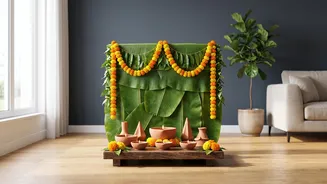
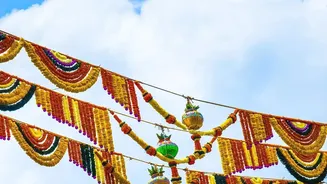
The mandap or pandal sets the stage for the celebration. Instead of thermocol and plastic, which are harmful to the environment, turn to natural and reusable materials. A beautiful backdrop can be created by draping old sarees, dupattas, or any vibrant
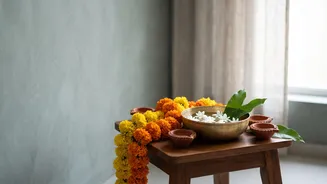
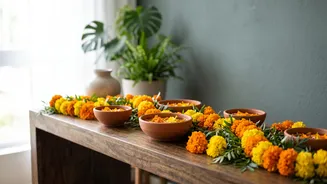
cotton fabric. These can be reused year after year, making them a truly sustainable choice. Enhance this fabric base by creating garlands from fresh, fragrant flowers like marigolds, jasmine, and roses. Stringing them together to create curtains or torans adds a traditional and divine touch. Leaves such as mango or banana can also be woven into the design for a lush, green element.
The Idol's Foundation: Wood and Clay
The chowki, or pedestal, upon which the idol rests is a key focal point. Opt for a sturdy wooden stool or a low table that you already own. This avoids the need for temporary structures that generate waste. You can decorate the base with natural elements. Surround the idol with small terracotta or clay pots, which can hold flowers, plants, or diyas. A traditional rangoli at the base, made from rice flour, turmeric, kumkum, and flower petals, adds artistic elegance without synthetic colours. These materials are fully biodegradable and create a beautiful, earthy aesthetic.
Lighting: The Warm Glow of Tradition
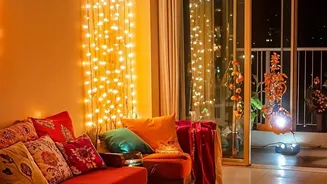
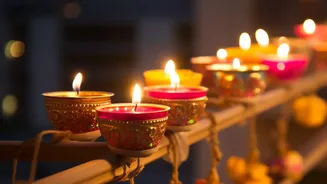
Lighting is crucial for creating a festive atmosphere. Move away from excessive plastic fairy lights and embrace traditional illumination. Clay diyas are the quintessential choice, offering a warm, flickering glow that is both auspicious and eco-friendly. You can arrange them around the mandap and throughout your home. For a different look, consider brass lamps, which are reusable and add a touch of timeless elegance. If you do use electric lights, opt for energy-efficient LEDs over older, power-hungry options. A creative idea is to place string lights inside coloured glass jars or bottles for a muted, decorative effect.
DIY Decor: Upcycle with Creativity
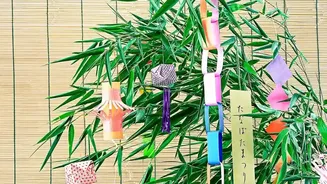
Sustainable decorating is a chance to get creative. Many beautiful items can be made from materials you already have at home. Recycled cardboard can be cut into festive shapes and painted with natural colours. Old glass jars and bottles can be painted or wrapped in jute string to be used as vases or candle holders. You can even create your own torans or door hangings using fabric scraps, beads, and handmade paper flowers. These personal touches not only reduce waste but also make your decorations unique and meaningful.
What to Strictly Avoid
Just as important as what to use is what to avoid. Thermocol (polystyrene) and single-use plastics are major pollutants and should be completely avoided in your decorations. These materials are non-biodegradable and cause significant environmental harm. Also, be mindful of idols made from Plaster of Paris (POP), as they do not dissolve easily and pollute water bodies during immersion. Instead, always choose an idol made from natural clay or 'shaadu maati'. By making conscious choices to reject harmful materials, your celebration becomes a true act of devotion to both Ganesha and the planet.