



Ranthambore National Park, Rajasthan
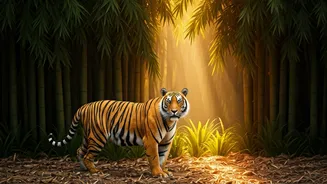
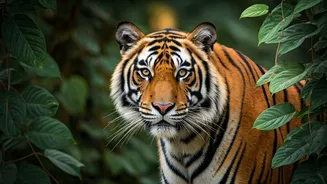
Ranthambore is the quintessential tiger photography destination. What sets it apart is the dramatic landscape—ancient forts, crumbling ruins, and shimmering lakes provide stunning backdrops for its star resident, the Bengal tiger. The open terrain and tigers'
relative habituation to vehicles often result in clear, iconic shots. Besides tigers, you can photograph leopards, sambar deer, and a rich array of birdlife against a uniquely historical canvas. Best visited between October and April for pleasant weather and good visibility.
Jim Corbett National Park, Uttarakhand
As India's oldest national park, Corbett holds a legendary status. Its diverse geography, from dense Sal forests to vast grasslands (chaurs) and riverine belts, offers varied photographic opportunities. While tigers are a prime draw, Corbett is also fantastic for capturing Asiatic elephants, especially herds crossing the Ramganga River in the famed Dhikala zone. The park’s sheer size and multiple zones mean every safari can yield a different photographic story. The golden light filtering through the forest in the early mornings is magical.
Kaziranga National Park, Assam
This UNESCO World Heritage Site is a story of conservation success, and a photographer's dream. It’s the stronghold of the great one-horned rhinoceros. Jeep and elephant safaris provide eye-level perspectives of these magnificent animals grazing in tall elephant grass, often with swamp deer or wild water buffalo in the frame. The sheer density of wildlife is staggering, and the misty winter mornings create ethereal, moody images that are hard to replicate elsewhere. It's a must-visit for a portfolio that goes beyond big cats.
Bandhavgarh National Park, Madhya Pradesh
If your primary goal is to photograph a tiger, Bandhavgarh is arguably your best bet. It boasts one of the highest densities of Bengal tigers in India, increasing the probability of sightings. The park's hilly terrain and smaller core area concentrate the wildlife, allowing for intimate and powerful portraits. Photographers flock here for the chance to capture tigers in their natural element, from mothers with cubs to dominant males on patrol. The park’s guides are also well-versed in tracking and positioning vehicles for the best angles.
Gir National Park, Gujarat
Gir offers a unique and vital photographic mission: it is the last remaining wild refuge of the Asiatic lion. Documenting these majestic predators is a special experience. The dry, deciduous forest landscape of Gir is different from India's other major parks, providing a distinct setting for your images. Beyond the lions, the park is home to a large population of leopards, as well as the 'Maldharis,' a local pastoral community whose coexistence with the lions makes for compelling photojournalistic stories.
Kabini, Karnataka
Part of the Nagarhole National Park, Kabini is famed for its incredible leopard sightings. It is here that photographers have captured iconic images of the elusive black panther. The Kabini reservoir attracts a wealth of wildlife, making boat safaris a fantastic way to shoot. You can photograph elephants bathing, ospreys fishing, and large herds of deer along the banks. The combination of land and water-based safaris provides a diversity of perspectives and subjects, making it a favourite among seasoned wildlife photographers.
Kanha National Park, Madhya Pradesh
The sprawling meadows and lush Sal forests of Kanha are said to have inspired Rudyard Kipling's 'The Jungle Book,' and it's easy to see why. The park's vast, open landscapes are perfect for capturing wide-angle shots of animals in their habitat. While it’s an excellent park for tiger photography, Kanha is also the only place to see the rare hard-ground barasingha (swamp deer). The soft morning and evening light over the grasslands creates a painterly effect, ideal for creating fine-art wildlife images.
Hemis National Park, Ladakh
This is not a casual safari; it’s an expedition. Hemis is the high-altitude realm of one of the world's most elusive cats: the snow leopard. Photography here requires patience, fitness, and a tolerance for extreme cold. Expeditions take place in winter when the 'Ghost of the Mountain' descends to lower altitudes. A successful shot of a snow leopard against the stark, magnificent Ladakhi mountains is considered the holy grail of wildlife photography. It is a challenging but immensely rewarding adventure.
Periyar National Park, Kerala
Periyar offers a different pace and perspective. The primary way to experience the park is via a boat safari on the vast Periyar Lake. This offers a stable, quiet platform for photography. The main attractions are the herds of elephants that come to the water's edge to drink and bathe. The sight of a family of elephants, including tiny calves, against the backdrop of the submerged forest is unforgettable. It is also a haven for bird photographers, with species like the Malabar grey hornbill and various kingfishers.
Keoladeo National Park, Rajasthan
Formerly the Bharatpur Bird Sanctuary, Keoladeo is a paradise for avian photography. During the winter, this wetland hosts thousands of migratory birds from as far as Siberia and Central Asia. You can explore the park on foot, by bicycle, or on a cycle-rickshaw, allowing for a slow, deliberate approach. From majestic sarus cranes to flocks of painted storks and diving kingfishers, the opportunities for bird-in-action shots, portraits, and capturing intricate behaviour are endless. It's the perfect place to hone your skills beyond big-game photography.