




The Instant No-Sew Table Runner
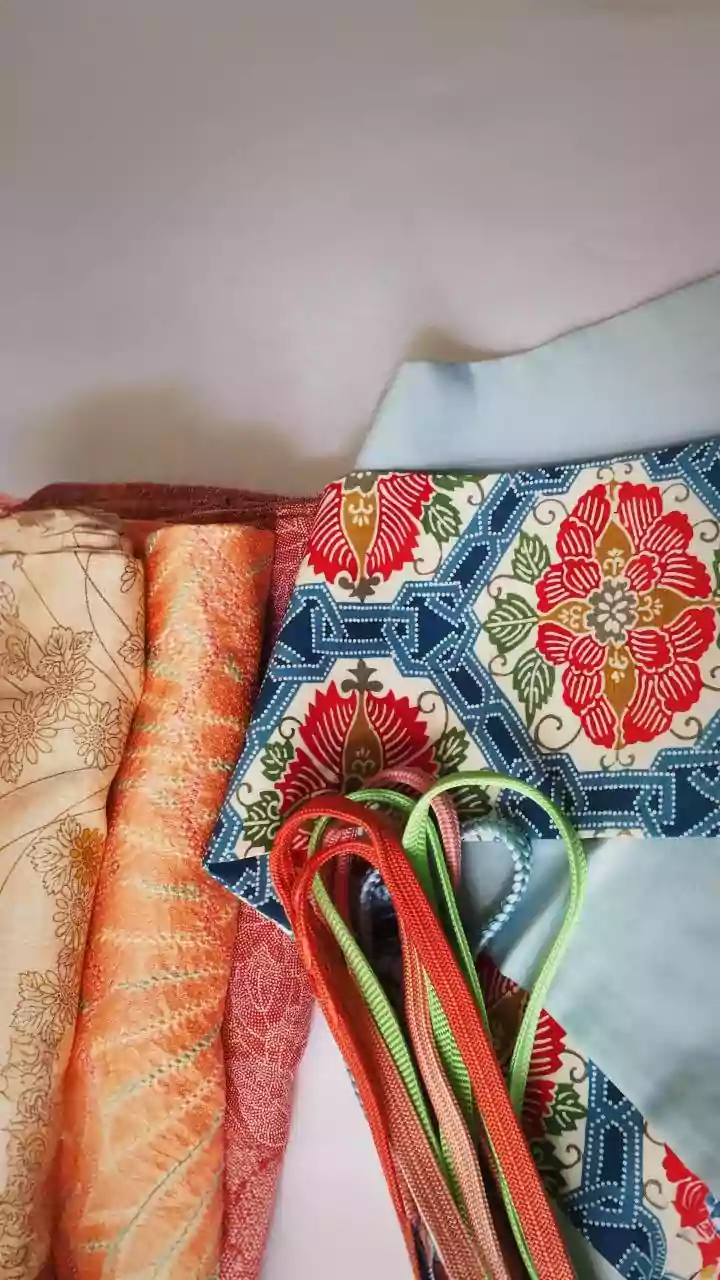
This is the quickest way to add a splash of colour and elegance to your dining table. For this hack, a saree with a beautiful border (pallu) is ideal. Simply measure your table's length and add about 60 cm for a graceful overhang on both ends. Fold the saree lengthwise
to your desired runner width. A rich silk or brocade saree works wonders as its weight helps it sit flat. For lighter fabrics like chiffon or georgette, you can use fabric glue or fusible hem tape to secure the folds, creating a neat, no-sew edge. Heavier drapes, especially those with a solid colour or subtle pattern, can also be cut to size and used directly. The key is to let the fabric's natural beauty shine.
Elegant and Easy Placemats
Create a coordinated dining set by making matching placemats. For a standard placemat, you'll need rectangular pieces of fabric. A simple method is to cut two identical rectangles from your old drapes or the body of a cotton saree. Place them right-sides together, and if you have a sewing machine, stitch around the edges, leaving a small gap to turn it inside out. For a no-sew version, use strong fabric glue along the edges. After turning it right-side out, press it with a warm iron for crisp edges. You can even insert a piece of thin cardboard or batting before sealing the final edge to give your placemats more structure and durability. Using different parts of a patterned saree can give you a set of unique yet coordinated placemats.
Creative Fabric Napkins and Rings
Soft cotton sarees or old linen drapes are perfect for making reusable cloth napkins. Cut the fabric into squares of your preferred size—typically around 45x45 cm. You can create a simple hem with a sewing machine or use fusible tape for a clean, no-sew finish. To elevate the look, craft matching napkin rings. Cut a small strip from a decorative saree border or a vibrant piece of fabric. Simply glue the strip into a loop or wrap it around a plain napkin ring. This small detail ties the entire tablescape together, making it look thoughtful and professionally styled.
The Layered Centrepiece Base
A beautiful centrepiece needs a worthy foundation. Instead of a single runner, try layering different fabrics for a rich, textured look. Use a plain, heavy drape as your base layer, covering the centre of the table. Then, place a more decorative and narrower runner, perhaps made from a Banarasi or silk saree, on top. You can also take a smaller, intricately embroidered piece of fabric, like a saree's pallu, and place it in the very centre of the table. This is where you can arrange your candles, flowers, and other decorative items. The layering of textures and patterns adds depth and a luxurious feel to your festive decor, drawing the eye to the heart of your table.
Decorative Drapes and Swags
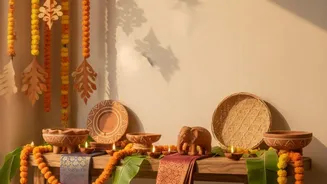
Don't just limit the fabric to the tabletop. Use a long, flowing saree or a sheer drape to create a stunning backdrop for your dining area. You can drape it behind an idol or a console table near your dining space for a touch of festive grandeur. Another simple idea is to create swags for the front of the table itself. Take a length of fabric, especially something light like georgette or a satin-finish drape, and create gentle pleats at the front. Use safety pins or removable tape to secure the fabric underneath the tabletop, allowing it to swag gracefully. This technique adds a soft, celebratory feel, instantly transforming a simple table into a festive focal point.