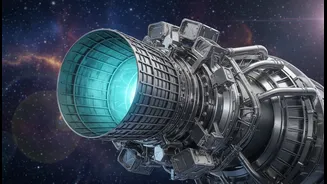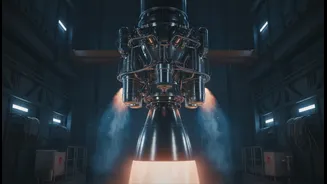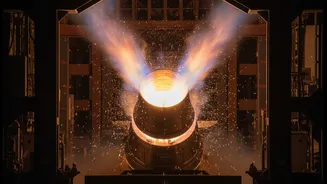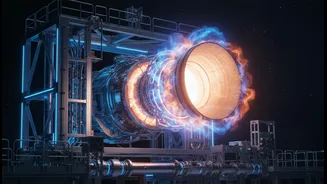





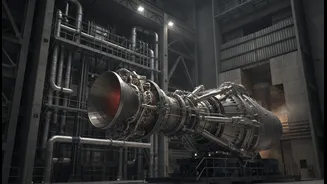
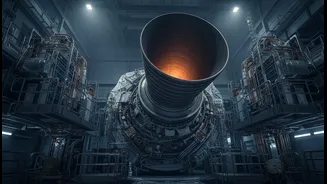


First, What Is a Semicryogenic Engine?
Think of a rocket engine needing two things to work: fuel and an oxidiser (since there's no oxygen in space). ISRO's workhorse rockets, like the LVM3, use fully cryogenic engines in their upper stages, which run on super-chilled liquid hydrogen and liquid oxygen.
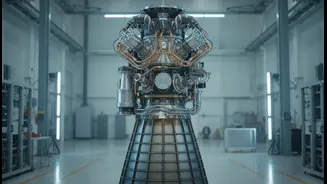
This is powerful but also complex and expensive. A semicryogenic engine offers a smart compromise. It still uses liquid oxygen as the oxidiser, but it swaps the hard-to-handle liquid hydrogen for a highly refined form of kerosene, which ISRO calls 'Isrosene'. Because kerosene can be stored at normal temperatures, the whole system becomes simpler, safer, and cheaper to operate. Only one component—the liquid oxygen—needs to be kept cryogenically cold, which is why it's called "semi" cryogenic.
The Big Deal: More Power, Less Cost
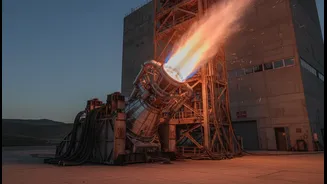
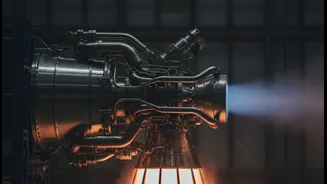
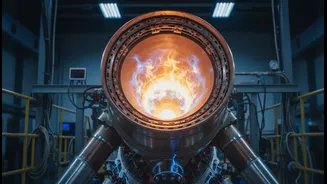
The successful development of the SCE-2000 engine, which produces a massive 2,000 kilonewtons of thrust, is a game-changer for two main reasons: power and cost. This new engine will be used to replace the current core stage of the LVM3, India's heaviest rocket. This upgrade will significantly boost the rocket's lifting capacity. The LVM3 will be able to lift payloads from four tonnes to five tonnes into Geostationary Transfer Orbit (GTO). This means India can launch heavier communication and navigation satellites, or more satellites at once, strengthening our infrastructure and security. It also makes ISRO a more formidable player in the multi-billion dollar global satellite launch market, which is currently dominated by other nations. The goal is to increase India's share of this market from about 2% to 10%.
A Key Step Toward Reusable Rockets
This technology isn't just about making current rockets better; it's the foundation for India's next leap in space exploration: reusable launch vehicles (RLVs). The world has watched companies like SpaceX dramatically lower launch costs by creating rockets that can land themselves and be flown again. The semicryogenic engine is a critical piece of that puzzle for ISRO's own Next Generation Launch Vehicle (NGLV). The use of storable kerosene fuel and the engine's advanced design make it more suitable for the complex manoeuvres required for a rocket's booster stage to return to Earth and land safely. Mastering this engine technology is a direct stepping stone towards developing cost-effective, reusable rockets that will define the future of space access.
What This Means for India
While the engine tests happen at a high-tech facility in Mahendragiri, the benefits ripple across the country. A more powerful and cost-effective ISRO directly translates to better services for citizens. This includes more advanced weather forecasting satellites, improved GPS-like navigation through our own NavIC system, and enhanced telecommunications for remote areas. Economically, it boosts India's ability to earn foreign revenue by launching satellites for other countries and fosters a domestic ecosystem of high-tech manufacturing and innovation. More importantly, it reinforces India's technological self-reliance and inspires millions of students to pursue careers in science and technology. Each successful test is another step toward more ambitious goals, including the Gaganyaan human spaceflight mission and future interplanetary exploration.