






What Exactly is Changing?
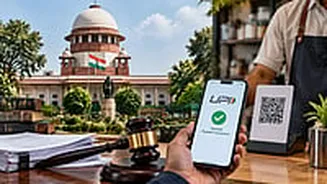
Starting October 15, 2026, a new rule introduces a Merchant Discount Rate (MDR) on certain Unified Payments Interface (UPI) transactions. This MDR is a fee that merchants will pay when they accept specific digital payments. Specifically, a 0.4% charge
will apply to person-to-merchant (P2M) payments valued over ₹2,000. For very large transactions of ₹75,000 or more, this fee is capped at a maximum of ₹300. It is crucial to understand that this is not a fee for consumers. The government and the National Payments Corporation of India (NPCI) have clarified that customers will not be charged for making these payments.
Why the Change? The Quest for Sustainability
For years, the zero-MDR regime on UPI has been a phenomenal success, driving unprecedented digital payment adoption across India. However, this success came at a cost to the payment service providers, banks, and fintech companies that built and maintain the UPI infrastructure. With no revenue stream from UPI transactions, the long-term financial viability of the ecosystem was under strain. The introduction of a structured MDR is aimed at creating a sustainable revenue model that allows these participants to cover their costs and reinvest in infrastructure, cybersecurity, and innovation, ensuring the system remains robust and secure. The government has clarified that this is not a tax, but a charge that gets distributed among the ecosystem players.
How Will This Affect Merchants?
The impact on merchants will be varied. The new 0.4% MDR applies only to transactions above ₹2,000. According to government estimates, this means approximately 96% of all merchant transactions will remain unaffected, as they are below this threshold. Furthermore, there are specific exemptions. Small merchants who receive up to ₹1 lakh per month via UPI QR codes will continue to enjoy zero MDR. However, for larger businesses that frequently handle high-value transactions, this new cost will need to be factored into their operational finances. The government has advised banks to ensure merchants do not pass this cost directly on to customers.
The Good News: P2P and Small Payments are Safe
For the average UPI user, the core experience remains unchanged. All person-to-person (P2P) transfers—sending money to friends, family, or between your own accounts—continue to be completely free, regardless of the amount. These P2P transactions make up a vast majority—around 70%—of the total value transferred on UPI. Additionally, all merchant payments up to the ₹2,000 threshold also remain free of any MDR. This ensures that everyday transactions, from buying groceries to paying for a cab, will not attract any new charges for the consumer.
What About Wallets and Special Sectors?
The new 0.4% MDR framework is distinct from pre-existing charges related to certain payment methods. For instance, UPI payments made via a wallet (a Prepaid Payment Instrument or PPI) already had a separate interchange fee structure for transactions over ₹2,000, which is a cost settled within the payment ecosystem. The new rules also specify different rates for certain strategic sectors. Essential services like railways, telecom, insurance, and fuel will have a lower, flat MDR of just ₹5 for transactions over ₹2,000, while sectors like mutual funds and securities will have an MDR of 0.02%.