
The Rise of the Picture-Perfect Shelf
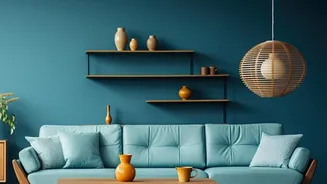
Not long ago, the ultimate home decor goal was a set of shelves so artfully arranged they looked like a magazine spread. This was the era of the "shelfie," fueled by Pinterest and Instagram, where homeowners became part-time museum curators. The formula
was specific: stacks of books (often turned backwards for colour coordination), a quirky ceramic object, a trailing plant, a metallic decorative piece, and a framed abstract print. Every item was placed with strategic imperfection. This trend, a cousin of maximalism and "cluttercore," celebrated abundance and visual interest. It transformed the humble bookshelf from a place of simple storage into a stage for displaying one's taste and personality, one tiny, aesthetically pleasing object at a time.
A Backlash to Performative Perfection
While beautiful to look at, the heavily styled shelf came with a hidden cost: constant upkeep. The pressure to maintain these elaborate displays felt unrealistic for many. A rebellion against this curated chaos has been gaining momentum, driven by a collective desire for homes that are less about performance and more about genuine comfort. After years of striving for sterile, minimalist perfection or, conversely, curated clutter, many are now seeking a middle ground. This shift is about reclaiming our homes as lived-in sanctuaries rather than social media showrooms. The focus has moved towards practicality, authenticity, and creating spaces that support our well-being instead of adding to our to-do lists.
The Joy of Easier Dusting
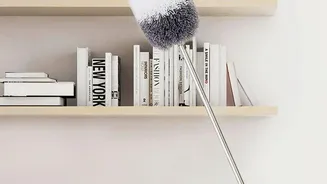
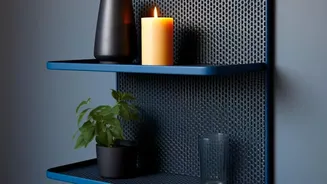
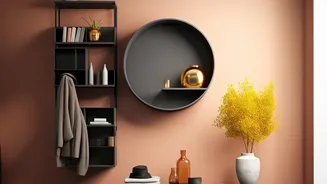
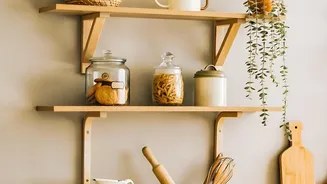
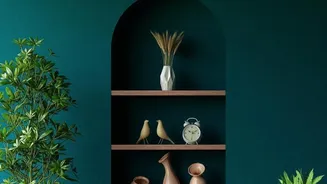
Here's the simple, undeniable truth at the heart of this trend reversal: fewer items on a shelf means significantly less to dust. What was once a time-consuming task of removing, wiping, and carefully replacing dozens of knick-knacks becomes a quick, easy swipe. This practical benefit is a major driver of the move towards simplified styling. But the advantages go beyond cleanliness. Embracing 'negative space'—the empty areas on a shelf—gives your most treasured items room to shine. It allows the eye to rest, reducing visual noise and creating a more serene environment. This 'less is more' approach encourages a more intentional relationship with our belongings, prompting us to display only what is truly meaningful or beautiful to us.
How to 'Un-Style' Your Shelves
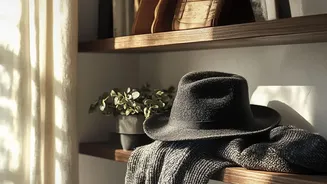
Embracing this new wave doesn't mean your shelves must be bare. It's about intentionality, not emptiness. Start by taking everything off your shelves for a clean slate. Then, edit ruthlessly. Keep only the objects that serve a purpose or bring you genuine joy. When restyling, focus on balance and variety. Mix vertical and horizontal book stacks to create visual movement. Group items in odd numbers, like threes or fives, which is often more pleasing to the eye. Alternate between tall objects, like a vase or a lamp, and shorter, curved pieces, like a bowl, to create a dynamic flow. Most importantly, leave some open space. Let your shelves breathe, and allow your favourite pieces to stand out without being crowded.
Finding Your Personal Balance
This trend isn't a strict rejection of maximalism but rather a move toward a more personal, livable version of it. Even a maximalist approach can feel organized and intentional when items are grouped thoughtfully and tell a story about the owner. The goal is to move away from one-size-fits-all trends and create a home that reflects your life, not an algorithm's. Whether you prefer a minimalist look with just a few choice items or a richer, more layered display, the key is curation. It's about choosing quality over quantity and creating a space that feels both stylish and functional for the people who actually live there. Your shelves should tell your story, not the story of a trend.