


Understanding the Annual 'Meteor Season'
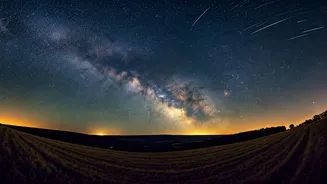
While stray meteors can be seen on any dark night, certain times of the year offer a much grander spectacle. The period from late July through August is often dubbed 'meteor season' because it features several active showers, culminating in one of the year's
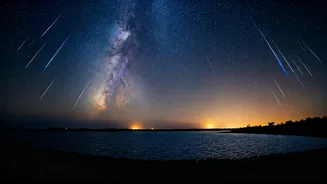
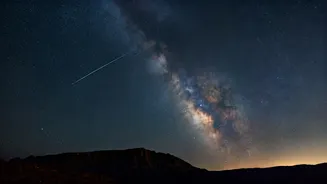
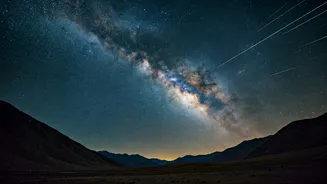
best displays. This happens as Earth passes through dense trails of dusty debris left behind by comets and asteroids. When these tiny particles, some no bigger than a grain of sand, enter our atmosphere at high speeds, they burn up, creating the brilliant streaks of light we call meteors or shooting stars.
First Up: The Delta Aquariids in Late July
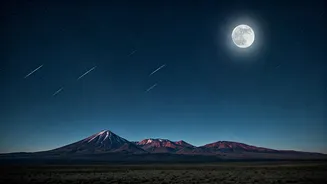
The season kicks off with the Southern Delta Aquariid meteor shower, which is active from mid-July to late August. It is set to peak around July 30-31, 2026. However, it's important to set realistic expectations for this particular shower this year. The peak night coincides with a nearly full moon, whose bright glare will unfortunately wash out most of the shower’s faint meteors. The Delta Aquariids typically produce about 15 to 20 meteors per hour in perfect conditions, but this year will be far from ideal. For a better chance, you could try looking for them a week before the peak, in the pre-dawn hours when the sky is darker.
The Main Event: A Perfect Year for the Perseids
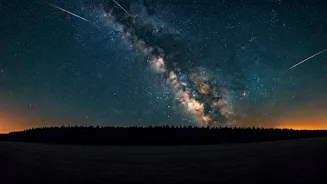
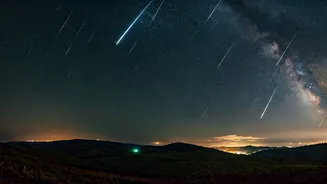
The highlight of the summer sky is the Perseid meteor shower, and 2026 is shaping up to be a spectacular year for it. Peaking on the night of August 12 and into the early morning of August 13, the shower coincides perfectly with a new moon. This means the sky will be completely dark, offering ideal conditions for a fantastic show. The Perseids, born from debris left by Comet Swift-Tuttle, are famous for producing a high number of bright, fast meteors. In a dark, clear sky, you could see anywhere from 60 to 100 shooting stars per hour. The best viewing window is from midnight until just before dawn.
Finding the Best Viewing Spot in India
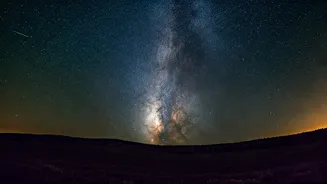
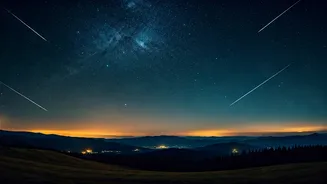
The single most important factor for good meteor watching is getting away from city lights. For the Perseids in August, the biggest challenge for most of India is the monsoon. Cloud cover can obstruct the view entirely. However, several regions in the country typically experience clearer skies during this time. The best chances for a successful viewing will be in the rain-shadow regions like Ladakh and Spiti Valley, or the arid landscapes of western Rajasthan and the Rann of Kutch in Gujarat. These locations offer some of the darkest, most pristine skies in the country, making them perfect for this celestial event. If you can't travel that far, aim for any rural area, national park, or hilltop at least an hour's drive from the nearest major city.
Your Checklist for a Perfect Night Under the Stars
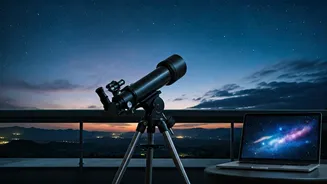
You don't need any special equipment to watch a meteor shower; your eyes are the best tool for the job. Telescopes and binoculars have a narrow field of view, making them impractical for catching the swift, broad streaks of meteors. Instead, focus on comfort and patience. Head to your chosen dark spot at least an hour before you plan to observe. Give your eyes about 20-30 minutes to fully adapt to the darkness, and avoid looking at your phone screen. Lie back on a blanket or reclining chair to get the widest possible view of the sky. Look straight up. While the meteors will appear to originate from the constellation Perseus, they can flash across any part of the sky. Finally, check the weather forecast before you go, dress warmly as even summer nights can get chilly, and settle in for the show.