



The Ghost Pepper's Grand Entrance
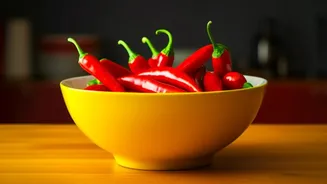
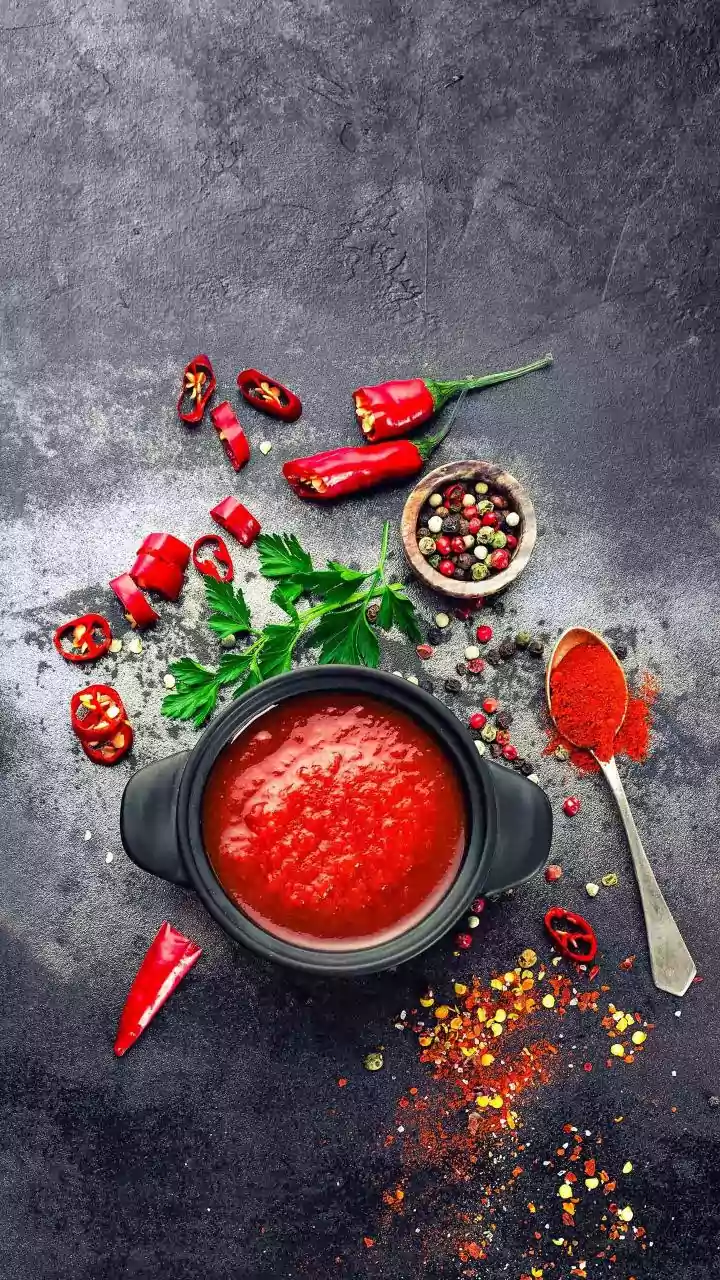
Not long ago, the Bhut Jolokia, or ghost pepper, was a thing of legend—a chilli from Northeast India so potent it earned a Guinness World Record. Historically used in home kitchens for pickles and to spice up curries, its reputation was one of ferocious,
tear-inducing heat. But today, the Bhut Jolokia is making a much more refined appearance on menus across the country. Chefs are no longer using it just as a challenge, but as a complex flavouring agent. Its unique fruity and smoky notes are being harnessed to create everything from fiery chicken wings and steak marinades to surprisingly nuanced sauces and dips. This shift represents a deeper appreciation for the chilli beyond its Scoville rating, treating it as a gourmet ingredient that can add depth and a distinctly Indian heat to modern dishes.
Fermentation’s Flavourful Funk
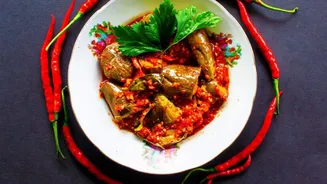
Alongside the ghost pepper, a host of fermented ingredients from the Northeast are finding their place in the spotlight. Fermentation has always been a way of life in the region, a method of preservation that creates intensely flavourful and aromatic products. The most famous of these is Axone (also called Akhuni), a fermented soybean paste with a powerful, pungent smell and a deep, savoury umami flavour. Traditionally used in Naga dishes like smoked pork curry, it’s now being discovered by chefs for its ability to add complexity to everything from stews to chutneys. Similarly, fermented bamboo shoots like Khorisa from Assam and Soibum from Manipur, known for their tangy, sour taste, are moving beyond regional kitchens. These ingredients, once unfamiliar to many, are introducing a new dimension of 'funk' to the Indian palate.
From Regional Kitchens to Urban Plates
For years, mainstream Indian restaurant menus felt repetitive, but that's changing fast. A growing curiosity among urban diners, fuelled by social media and a desire for authentic experiences, has paved the way for regional cuisines to shine. Ingredients like Axone and fermented bamboo shoots, once found primarily in ethnic restaurants in cities like Delhi and Kolkata, are now inspiring chefs in contemporary cafés and fine-dining establishments. Chefs and food entrepreneurs from the Northeast are playing a key role, creating modern interpretations of their traditional foods. By incorporating these ingredients into crostinis, vinaigrettes, or even as a seasoning salt, they are making these bold flavours more accessible to a wider audience, bridging the gap between traditional home cooking and the modern café experience.
Taming the Fire, Balancing the Funk
Introducing such potent flavours to an unfamiliar palate requires skill and creativity. The key isn't to dilute the ingredients, but to balance them. For Bhut Jolokia, this might mean infusing its smoky heat into an oil or using it sparingly in a marinade to provide warmth without overwhelming the dish. For fermented products like Axone, with their strong aromas, chefs are finding clever ways to showcase their umami-rich character. Some are turning them into spice rubs, sauces, or pairing them with cooling agents like yogurt or fresh herbs to soften their intensity. The goal is to honour the ingredient's authentic flavour while presenting it in a form that is intriguing rather than intimidating, allowing diners to appreciate the complexity of these Northeastern staples.
More Than Just a Trend
The appearance of Bhut Jolokia and fermented condiments in urban cafes is more than just a passing food fad. It signifies a broader cultural shift towards celebrating India's immense culinary diversity. As diners become more adventurous, they are seeking out foods with stories and a strong sense of place. This trend helps preserve culinary traditions and provides economic opportunities for the communities that produce these ingredients. By placing items like Joha rice from Assam or black rice from Manipur on their menus alongside these chillies and ferments, cafes are not just serving food; they are offering a taste of a region's identity, biodiversity, and heritage. It's a sign that the Indian palate is evolving, ready to embrace the bold, complex, and deeply satisfying flavours from every corner of the country.