
The Perseid Meteor Shower
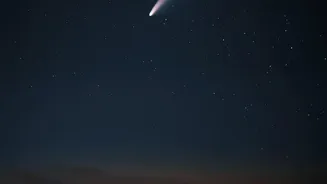
The absolute highlight of August is the Perseid meteor shower, one of the most reliable and dazzling displays of the year. The shower peaks on the night of August 12 and into the pre-dawn hours of August 13. This year’s peak is especially promising because
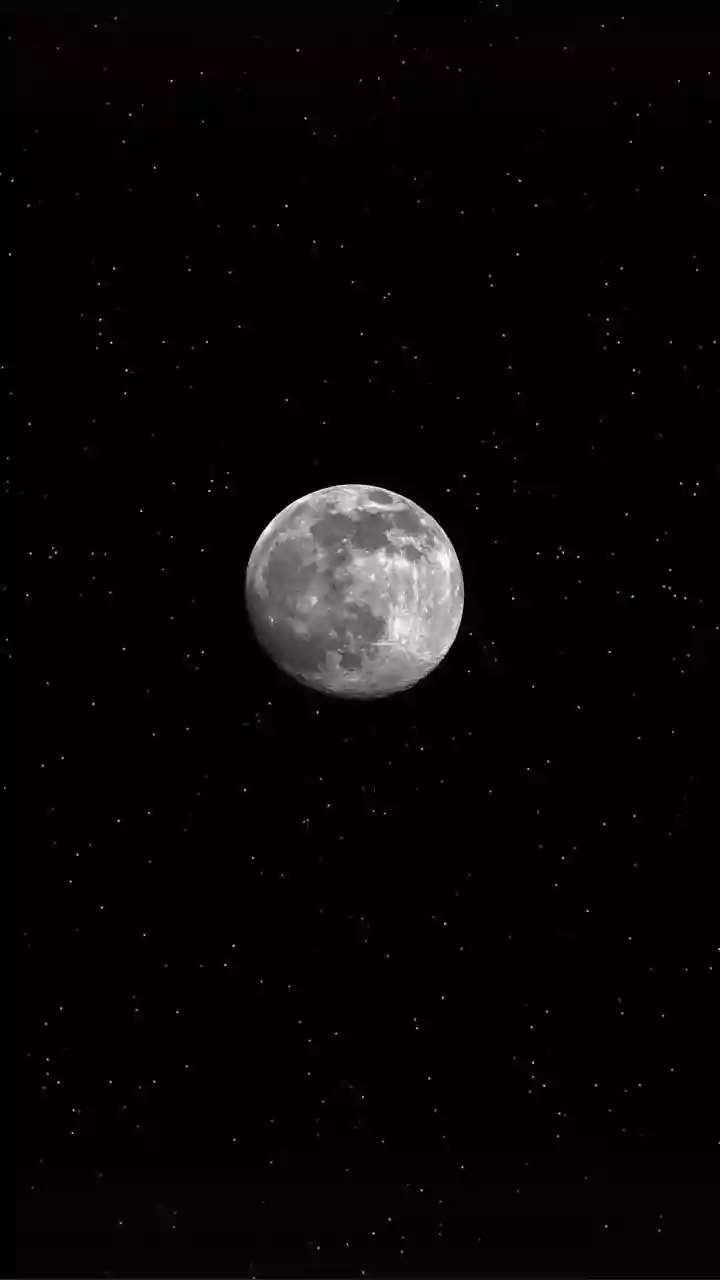
it coincides with a new moon, which means the skies will be exceptionally dark, allowing even faint meteors to shine. The Perseids are known for their bright, fast-moving meteors that often leave persistent trails of light. Under ideal conditions—away from city lights and with clear skies—you could see between 50 and 100 meteors per hour. For the best views in India, find a dark location after midnight. The hours between 2 a.m. and dawn are typically the most active as the shower's radiant point in the constellation Perseus climbs higher in the northeastern sky. No special equipment is needed; just lie back, let your eyes adjust to the dark for about 30 minutes, and enjoy the show.
The Planets on Parade
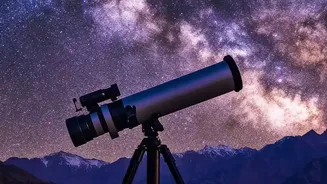
August is a fantastic month for planet-spotting. Venus reigns supreme in the western evening sky, shining brilliantly after sunset. Mars will be visible as a modest object in the pre-dawn sky, low in the east. Look for it near the famous constellations of Taurus and Orion. While Saturn's big event—its opposition, when it's at its closest and brightest for the year—is in early October, it is already becoming an excellent object to observe. By late August, it will be well-placed for viewing for most of the night. Even a small telescope will reveal its famous rings, which are beginning to tilt back towards us after appearing edge-on in 2025. On August 9, the waning crescent moon will appear close to Mars in the early morning, providing a great signpost for locating the Red Planet.
Milky Way and Summer Constellations
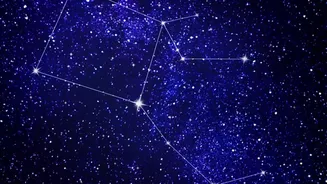
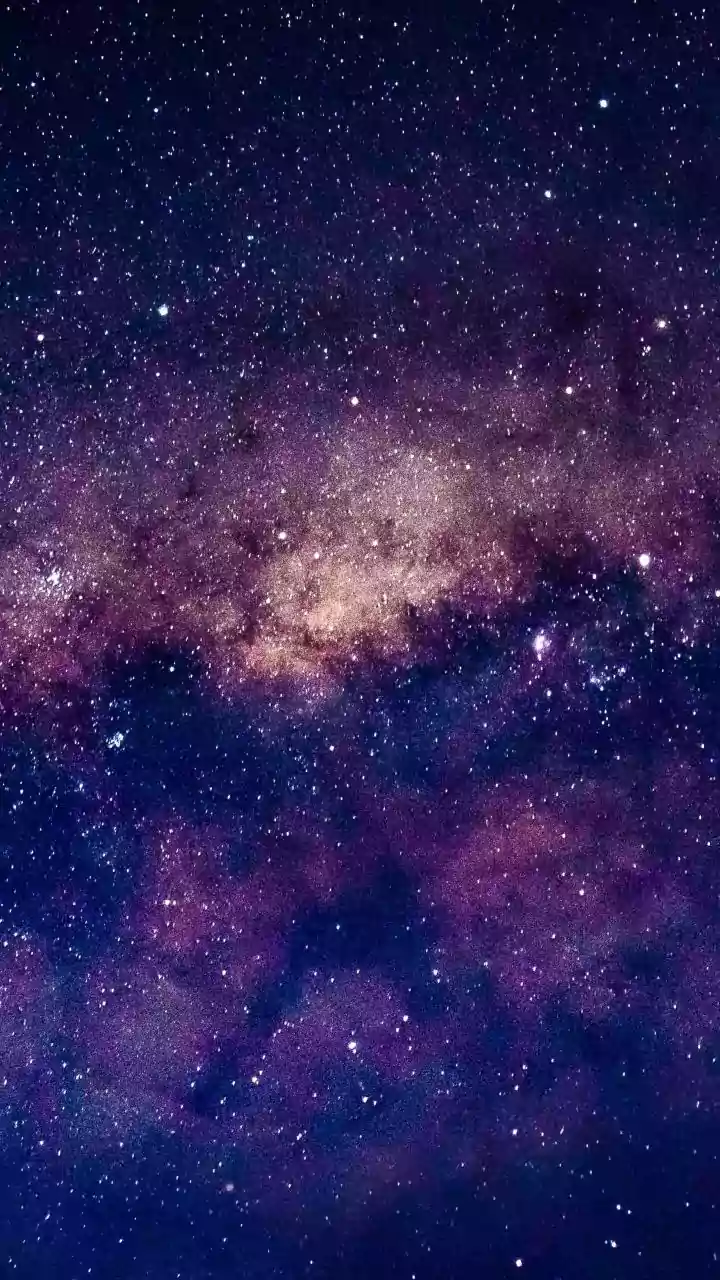
On clear, moonless nights in August, the core of our own galaxy, the Milky Way, is on full display. This dense band of stars and dust clouds arches across the sky, with its brightest section located in the south. To find it, first locate the constellation Sagittarius, whose brightest stars form an asterism that looks like a teapot. The spout of this celestial teapot points directly toward the galactic centre. Just next to Sagittarius is Scorpius, the scorpion, with its distinctive curved tail and the bright red star Antares at its heart. High overhead, you can also spot the Summer Triangle, a prominent asterism formed by three of the brightest stars in the sky: Vega in the constellation Lyra, Deneb in Cygnus, and Altair in Aquila. This trio is so bright it can be seen even from areas with some light pollution.
A Note on the Solar Eclipse
You may have heard about a major total solar eclipse happening on August 12. This spectacular event will trace a path across Greenland, Iceland, and parts of Spain and Russia. Unfortunately, no phase of this eclipse will be visible from India. While a disappointment for local skywatchers, the good news is that the new moon causing the eclipse is precisely why viewing conditions for the Perseid meteor shower will be so perfect that same night. Many international space agencies like NASA will offer a live stream of the eclipse, so you can still witness the rare moment of totality from home.
Viewing Tips for Success
The biggest challenge for stargazing in India during August is often the monsoon. Clouds can obscure the sky for days at a time. However, the period right after a rainstorm can offer exceptionally clear skies as the dust is washed out of the atmosphere. To make the most of these opportunities, try to get as far away from city light pollution as you can. High-altitude, dry regions like Ladakh and Spiti Valley offer world-class viewing conditions. The Rann of Kutch is another good option as a rain-shadow region. Wherever you are, give your eyes at least 20-30 minutes to fully adapt to the darkness to see the faintest stars and meteors.