



The Overlooked Powerhouse
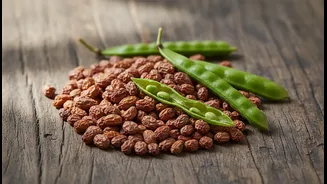
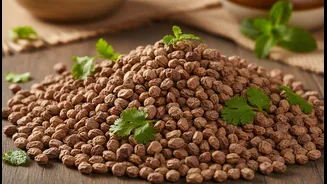
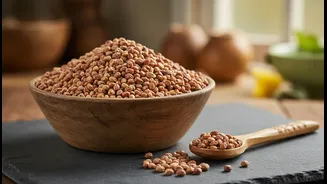
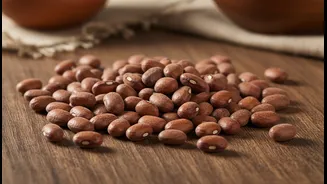
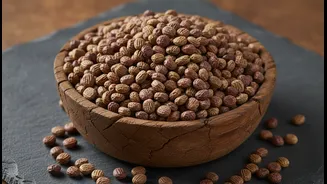
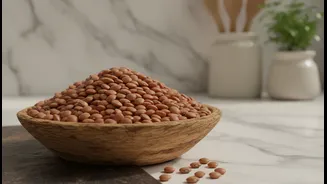
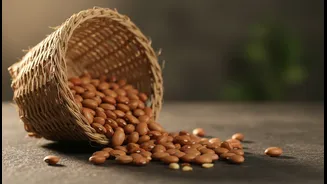
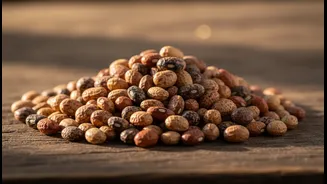
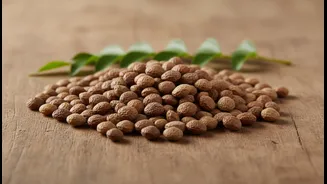
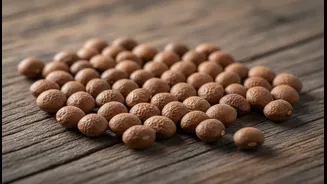
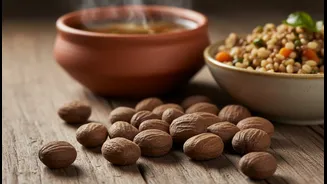
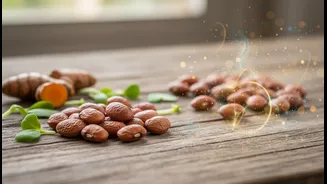
Known as kulthi in Hindi, kollu in Tamil, and gahat in the hills of Uttarakhand, horse gram (Macrotyloma uniflorum) is a small, hardy lentil with a distinct earthy flavour. For centuries, it has been a staple in rural and regional diets across India,
valued for its resilience as a crop that can grow in dry, arid conditions. Its name comes from its traditional use as a high-energy feed for horses and cattle, a testament to its powerful nutritional profile. Despite its deep roots in Indian agriculture and cuisine, horse gram has remained largely absent from modern urban kitchens, overshadowed by more common pulses like toor, moong, and chana.
A Nutritional Giant in a Tiny Package
Don't let its humble status fool you; horse gram is a nutritional behemoth. It boasts one of the highest protein contents among pulses, typically around 22 grams per 100 grams. It is also an excellent source of dietary fibre, iron, and calcium, containing more of these nutrients than many other commonly consumed dals. Its minimal fat content makes it a valuable addition to any diet. Traditionally, Ayurveda has prized horse gram for its warming properties and use in managing various ailments, from the common cold to kidney stones. This potent combination of protein, fibre, and essential minerals makes it an incredibly efficient way to boost the nutritional value of everyday meals.
A Taste of Tradition
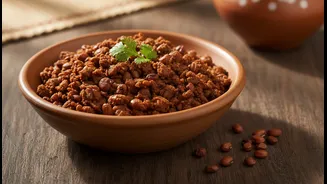
Across India, horse gram has a rich culinary history, particularly in southern states and the Himalayan region. In Tamil Nadu and Andhra Pradesh, 'kollu rasam' or 'ulavacharu' is a peppery, tamarind-infused soup cherished for its comforting warmth, especially during winter. In the Garhwal and Kumaon regions of Uttarakhand, 'Gahat ki dal' is a slow-cooked specialty, often enjoyed with steamed rice and providing essential sustenance during cold months. These dishes are not just recipes; they are carriers of culture, representing a way of cooking that is deeply connected to the local landscape and climate. The rediscovery of horse gram is a chance to reconnect with these authentic, regional flavours that have been passed down through generations.
Why We Forgot and Should Remember
So why did this super-pulse fall out of favour? One reason is its longer cooking time compared to other dals. Horse gram has a tough outer seed coat and requires several hours of soaking and a longer time in the pressure cooker to become tender. This made it less convenient for the fast-paced modern kitchen. Furthermore, its 'rustic' or 'less appealing' taste profile, as some have described it, might not have appealed to palates accustomed to milder dals. However, these challenges are easily overcome. A pressure cooker significantly cuts down the cooking time, and its robust, nutty flavour is a wonderful canvas for spices. In an era where food costs are rising, its affordability makes it a smart, economical choice for protein.
Bringing Horse Gram into Your Kitchen
Incorporating horse gram into your meals is simpler than you think. Start by soaking the lentils overnight, which is a crucial step to ensure they cook evenly. The most straightforward way to prepare it is as a simple dal. Pressure cook the soaked lentils for about 8-10 whistles or for 30-40 minutes on a low flame after the first whistle. Once cooked, you can prepare a tadka with ghee, cumin seeds, garlic, onions, and tomatoes, just as you would for any other dal. For a thicker consistency, you can blend a portion of the cooked dal and add it back to the pot. You can also try sprouting it for a nutritious salad or grinding it into flour to make parathas or cheelas.