





Why Strength Is the New Standard
For years, the main goal of exercise was often tied to weight loss, dominated by cardio-heavy routines. Today, the conversation has changed. There's a growing focus on "healthspan"—the years we live in good health—and strength training is at the forefront
of this movement. This shift is especially prominent in India, where a post-pandemic fitness transformation has seen people move from a mindset of subtraction (losing weight) to one of addition: gaining muscle, strength, and energy. The goal is no longer just about aesthetics but about building a capable, resilient body that can handle everyday tasks, prevent injury, and support active aging. In fact, recent industry reports show that longevity and healthy aging are now the fastest-growing client goals, outpacing traditional physique motivations.
The Science-Backed Benefits
The popularity of strength training is rooted in extensive scientific evidence. Building muscle does more than make you stronger; it boosts your metabolism, meaning you burn more calories even at rest. It's crucial for bone health, as weight-bearing exercises stimulate new bone growth and can lower the risk of osteoporosis, a condition Indians may be more susceptible to due to genetic and lifestyle factors. Regular strength work also significantly benefits heart health, with one study suggesting just an hour a week can reduce the risk of a heart attack or stroke. Furthermore, it helps manage blood sugar levels, improves balance, enhances mental health by releasing endorphins, and may even protect against age-related cognitive decline.
Debunking the Myths
Despite its benefits, several myths prevent people, especially women, from picking up weights. The most persistent one is the fear of becoming 'bulky'. However, women typically have lower levels of testosterone, making it very difficult to build large muscles without extremely specific and intense training and diet plans. Another common misconception is that cardio is superior for fat loss. While cardio burns calories during the activity, strength training builds muscle that increases your metabolism long-term. The idea that older adults should avoid heavy lifting is also false; in reality, it's vital for maintaining muscle mass, bone density, and independence with age. Finally, you don't need access to heavy, complex machines. Strength training is for everyone and can be done effectively with minimal equipment.
How to Get Started Today
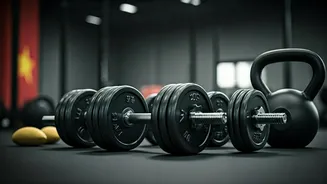
Starting a strength training routine is simpler than you might think. You don't need an expensive gym membership; you can begin at home with your own body weight. Exercises like squats, push-ups (which can be modified by doing them against a wall), lunges, and planks are foundational movements that build functional strength for daily activities. As you get stronger, you can incorporate inexpensive tools like resistance bands or light dumbbells. The key is to start slow and focus on proper form to prevent injury. Aim for two sessions per week, targeting all major muscle groups. Consistency is more important than intensity when you're beginning. Listen to your body and remember to include rest days to allow your muscles to recover and grow stronger.