




The Myth of Monsoon Relief
The familiar narrative of the Indian climate is the searing dry heat of summer giving way to the cool, life-giving monsoon rains. However, this age-old pattern is being dangerously rewritten in urban India. While rainfall does bring down the absolute
temperature, the accompanying surge in humidity is creating a new and more insidious threat. Recent studies show that the combination of heat and humidity during the monsoon can be more dangerous than the dry heat of summer. Research highlights a troubling trend: uncompensable heat stress—conditions where the body cannot cool itself down—is projected to increase rapidly during the monsoon season, affecting over half the country under future climate warming scenarios. This turns what should be a period of respite into a prolonged season of health risks.
Welcome to the Urban Heat Island
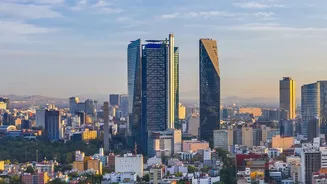
At the heart of the problem is the Urban Heat Island (UHI) effect. Our cities are dominated by materials like concrete, asphalt, and dark-coloured surfaces that absorb and retain solar radiation far more effectively than natural landscapes. During the day, this stored heat pushes urban temperatures several degrees higher than in surrounding rural areas. After sunset, when rural areas cool down, cities continue to radiate this accumulated warmth, preventing temperatures from dropping and offering no overnight recovery. This phenomenon is particularly pronounced in India's rapidly expanding metropolitan areas, where green spaces and water bodies are shrinking, further reducing natural cooling mechanisms.
Why Humidity is the Real Danger
The true measure of heat's danger isn't just the temperature you see on a thermometer; it's the 'wet-bulb temperature', which accounts for both heat and humidity. The human body’s primary cooling mechanism is sweating. As sweat evaporates, it pulls heat away from the skin. But when the air is already saturated with moisture, as it is during the monsoon, this evaporation process slows down dramatically or stops altogether. Your body continues to sweat, but it can no longer cool itself effectively. This is when even a moderate temperature of 32°C can feel dangerously hot, leading to a rapid rise in core body temperature, dehydration, heat exhaustion, and potentially fatal heatstroke.
A 'Silent Killer' During Monsoon Breaks
The most dangerous periods are often the dry 'break' spells within the monsoon season. After a few days of rain, a period of clear skies and strong sun can bake the moisture-laden environment, creating intensely oppressive conditions. One study noted that during the monsoon, the number of days where the 'feels-like' temperature exceeds 45°C is about ten times higher than during the dry pre-monsoon summer. This humid heat is described as a 'silent killer' because it limits the body's ability to cope, even in the shade. Scientists warn that the risk from this moist heat during monsoon breaks is now substantial, affecting millions of people, particularly in the densely populated Indo-Gangetic plain. This has significant consequences for public health and economic productivity, as India already accounts for a large portion of global productivity losses from extreme heat.
What Can Our Cities Do?
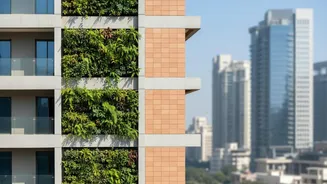
Tackling this emerging threat requires a shift in urban planning and public health strategies. Heat Action Plans, which traditionally focus on dry heatwaves, must now account for the dangers of humid heat. Experts are advocating for 'passive cooling' solutions, which are energy-efficient and affordable. These include painting roofs with reflective white paint to reduce heat absorption, a strategy already being implemented in cities like Ahmedabad and Delhi. Other crucial steps involve increasing urban green cover by creating more parks and planting trees, which provide shade and cool the air through evapotranspiration. Revitalising traditional architectural wisdom, such as ensuring cross-ventilation in buildings and restoring water bodies like stepwells, can also play a major role in creating cooler, more resilient urban environments.