
The Modern Superfood Dilemma
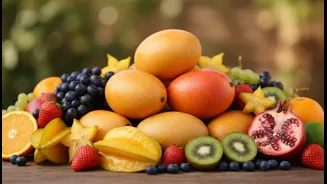
In recent years, the wellness world has been dominated by a parade of exotic superfoods. From quinoa to kale, the message has been clear: to be healthy, you must look beyond your traditional plate. While well-intentioned, this push can feel alienating
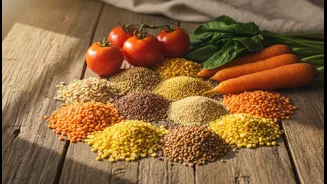
and unsustainable. These ingredients are often expensive, and their preparation can seem foreign, making dietary diversity feel like a forced trend rather than a joyful exploration. This focus on global trends has ironically led many to forget the powerhouse grains that have nourished Indians for millennia. Before wheat and rice became ubiquitous, our ancestors thrived on a wide array of cereals that were perfectly suited to their local climates and lifestyles.
A Return to Our Roots: The Millet Revolution
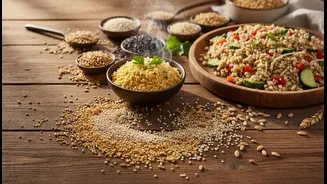
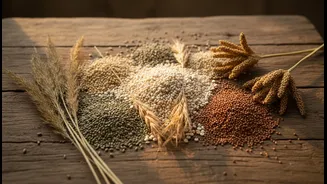
A quiet but powerful shift is happening in Indian kitchens. People are rediscovering millets—a group of small-seeded grasses that were once staples across the subcontinent. Names like jowar (sorghum), bajra (pearl millet), and ragi (finger millet) are moving from the realm of nostalgia to the forefront of modern, health-conscious eating. This is not just a passing trend; it's a return to an authentic way of eating that aligns with both personal health and environmental sustainability. The movement gained significant momentum when the United Nations, at India's suggestion, declared 2023 the 'International Year of Millets', sparking a global conversation about their benefits.
Meet the Stars: Jowar, Bajra, and Ragi
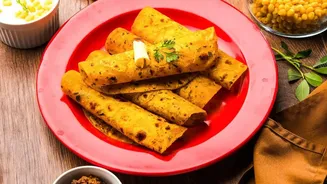
Each of these grains tells a story of its region. Jowar, a staple in Maharashtra and other parts of central India, is a versatile, gluten-free grain rich in protein and fibre. Bajra, with its warming properties, is a winter favourite in the arid regions of Rajasthan and Gujarat, packed with iron and magnesium. And ragi, the undisputed king of calcium, is a beloved staple in Karnataka, traditionally used to make everything from porridges for babies to hearty rotis. Unlike refined wheat and rice, these grains are typically consumed whole, retaining their precious fibre, vitamins, and minerals. Their lower glycemic index also helps in managing blood sugar levels, making them an excellent choice for a balanced diet.
From Village Kitchens to Urban Cafes
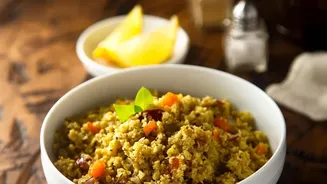
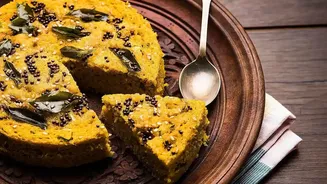
The revival of these grains is being led by a new generation of chefs and home cooks who are proving their versatility. Once relegated to simple rural meals, millets are now appearing in everything from millet risotto and gourmet salads to gluten-free baked goods and breakfast bowls. Chefs are drawn to their unique, earthy flavours and textures, finding inspiration in traditional recipes to create innovative dishes. This culinary creativity is making millets more accessible and appealing to urban diners, who are increasingly seeking food that is both nutritious and culturally rooted. The availability of ready-to-cook millet products has also made it easier for busy households to incorporate these grains into their daily meals.
More Than Just Food on a Plate
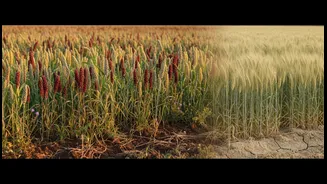
Choosing regional staples is about more than just personal nutrition; it's a decision that benefits farmers and the environment. Millets are hardy, climate-resilient crops that require significantly less water than rice and wheat and can thrive in poor soil with fewer chemical inputs. By creating demand for these grains, consumers support agricultural biodiversity and provide a more stable livelihood for smallholder farmers in dryland regions. This shift represents a move towards a more sustainable and self-reliant food system, one that values local resources and traditional agricultural wisdom. It’s a way of reconnecting with our food, knowing it comes from a place of balance and resilience.