








What Is AI-Powered Pricing?
At its core, AI-powered pricing uses complex algorithms to set and adjust the cost of items in real-time. Instead of a human manager setting a price for the week, an AI system analyzes vast amounts of data—like competitor pricing, customer demand, inventory
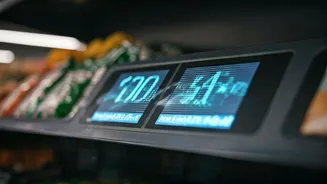
levels, weather, and even social media trends—to determine the optimal price at any given moment. This is often called 'dynamic pricing'. You may have already experienced it with airline tickets or ride-sharing apps, where prices fluctuate based on demand. Now, this technology is being tested in fast-food chains and rolled out in supermarkets through digital price tags, which allow for instantaneous price changes across thousands of items.
The Promise: Efficiency and Less Waste
Proponents argue that AI pricing can create a more efficient system for everyone. For retailers, AI can drastically reduce food waste, a significant problem that costs the industry billions annually. By automatically discounting products nearing their expiration date, stores can sell items that would otherwise be thrown away. This efficiency can, in theory, lead to lower overall operating costs, and those savings could be passed on to consumers. Furthermore, highly accurate demand forecasting can ensure that stores have the right amount of stock, reducing the chances of popular items selling out. For farmers, AI can even optimize the use of resources like fertilizer, lowering production costs from the very start of the supply chain.
The Peril: Fairness and 'Surge Pricing'
However, the move toward AI pricing is raising serious concerns about fairness and potential price gouging. A well-known controversy erupted in 2024 when the fast-food chain Wendy's announced plans to test dynamic pricing, leading to a public outcry over the idea of 'surge pricing' for burgers during the lunch rush. The company later clarified it would use the tech to offer discounts, not raise prices during peak times. Beyond surge pricing, there's the risk of 'surveillance pricing', where algorithms use your personal data—like purchase history, location, or browsing habits—to charge you a different price than the person next to you. Investigations have found that some platforms have charged different prices for the same items to different people, potentially leading to higher grocery bills for some families.
How This Is Shaping Up in India
While the most prominent examples of AI pricing are currently in the US and Europe, the trend is highly relevant to India's rapidly digitizing economy. India's food retail and delivery market is already leveraging AI for inventory management and demand prediction. Platforms like Zomato and Swiggy use sophisticated algorithms to manage delivery logistics and promotions, which are forms of dynamic pricing. As organized retail chains expand and e-commerce grows, the adoption of these technologies is set to accelerate. AI-driven systems are being used to predict demand for everything from fresh produce to frozen foods, helping to enhance profitability and promote sustainability in a vast and complex market. The key question is how this technology will be balanced between corporate profit and consumer fairness.
The Human Factor and Future Regulation
Ultimately, the debate is not just about technology, but about trust. Algorithms can optimize a margin, but they can't inherently understand a community or the essential nature of food. Experts stress that humans must remain in control, setting guardrails to prevent unfair price surges and algorithmic bias. As companies gain the ability to change prices instantly, the risk is that the market becomes less competitive, with algorithms learning to keep prices high across the board rather than engaging in price wars that benefit consumers. This has already led to regulatory scrutiny in some parts of the world, with lawmakers considering bans on using personal data for price setting on essential goods like groceries. The challenge will be to harness the efficiency of AI without sacrificing the transparency and fairness that consumers expect.